
Time is a precious commodity. Fortunately, modern cooking appliances have emerged as our trusted allies in the kitchen, making our lives undeniably easier.
From microwave ovens to air fryers, you’ll find plenty of kitchen appliances to help you share your culinary creations. But today, we’ll embark on a journey to explore the age-old debate between a pressure cooker vs slow cooker.
Each has its own merits, and the choice ultimately boils down to your lifestyle and culinary preferences. Pressure cookers are perfect for busy weeknights, while the gradual charm of slow cookers wins the hearts of many who love leisurely weekends.
But which is the better choice? Let's find out!What Is a Pressure Cooker?
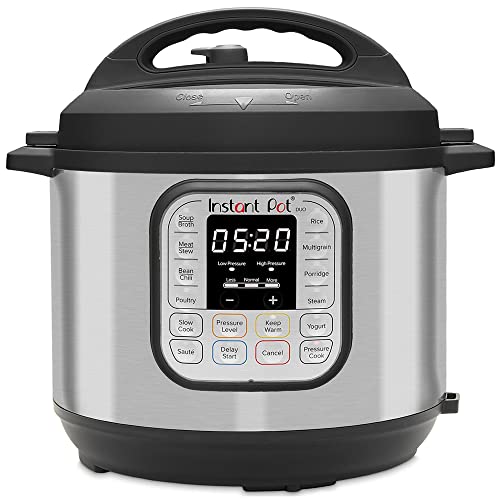
A pressure cooker is a kitchen appliance designed to cook food faster by utilizing high-pressure steam. Basically, it's a time-saving ally in the bustling kitchen.
Its core components include a sturdy pot with a locking lid, a pressure release valve, and a sealing gasket. When heated, the trapped steam builds pressure, cooking food up to 70% faster than traditional methods.
Pressure cookers come in various types, from stovetop models to electric ones, catering to diverse cooking needs and preferences.
What Is a Slow Cooker?
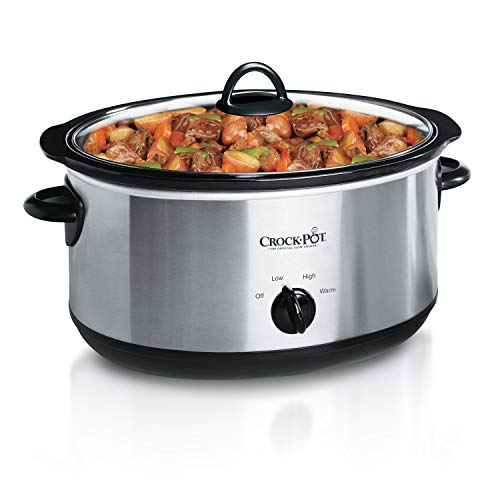
A slow cooker is a kitchen device that simplifies cooking by gently simmering ingredients over a long period. It typically comprises a ceramic or metal pot, a lid, and heating elements. It maintains low, consistent temperatures, allowing for slow, even cooking.
Slow cookers come in various sizes, accommodating anything from a small family meal to a large gathering. They're the dependable, set-it-and-forget-it companions for busy folks seeking tender, flavorful dishes without constant attention in the kitchen.
Pressure Cooker vs Slow Cooker
Despite their differences, pressure and slow cookers embrace the principle of low and slow cooking. They excel at tenderizing ingredients and infusing flavors through extended, gentle heating.
Both appliances lock in moisture, ensuring succulent, mouthwatering results. Whether it's a savory stew in the slow cooker or a rapid, pressure-cooked dish, these kitchen allies embody the essence of patient, flavorful cooking.
Even though they use different techniques to achieve it, these kitchen companions master the art of slow-cooked perfection. Here’s how they compare:
Cooking Methods and Time
Pressure cookers and slow cookers employ polar opposite cooking methods and timeframes. You will want to choose the pressure cooker for a quick fix and the slow cooker for those moments when patience yields the most delectable rewards.
Pressure cookers are speed demons, with their high-pressure environments, slashing cooking times for traditionally lengthy dishes like stews and braises.
On the flip side, slow cookers offer the leisurely charm of low, slow cooking. Thus, they are perfect for those days when you crave a meal that's been marinating in its flavors all day.
Flavor Infusion
Slow cooking and pressure cooking offer distinct flavor profiles, catering to different culinary experiences. Your choice between the two depends on whether you crave the slow-simmered depth or the rapid, intensified flavors in your meal.
Slow cooking's gentle, extended simmering allows flavors to meld and intensify, resulting in deep, complex tastes and ultra-tender textures. It's like the savory anticipation of a homemade stew slowly developing throughout the day.
On the other hand, pressure cooking's high-pressure, speedy approach retains more of the natural flavors and nutrients of ingredients, delivering intense, albeit slightly different, taste experiences. Think of it as the culinary equivalent of a quick burst of flavor in a fast-paced world.
Versatility and Types of Dishes
Pressure cookers and slow cookers each have their own culinary domains, offering distinct versatility in the kitchen.
Pressure cookers shine when crafting dishes like soups, stews, risottos, and quick, tenderized meals like pulled pork or braised chicken. Slow cookers, on the other hand, excel at creating savory, long-simmered wonders such as beef roasts and hearty chili.
So, whether it's a speedy weeknight dinner or a lazy Sunday feast, these appliances bring diverse flavors and textures to the table, catering to every taste and schedule.
Ease of Use
Pressure cookers offer time-saving features and robust safety mechanisms but often entail a steeper learning curve due to precise pressure control. In contrast, slow cookers are a beacon of set-and-forget simplicity, making them user-friendly for even the most novice cooks.
The choice comes down to personal preference and lifestyle. Those seeking rapid, hands-on cooking may embrace the pressure cooker. In contrast, busy individuals or those who appreciate the ease of "set it and leave it" cooking will find the slow cooker their ideal kitchen companion.
Cooking Performance
Pressure cookers deliver remarkable speed, tenderizing even the toughest cuts of meat in minutes while retaining nutrients due to the sealed, high-pressure environment. However, this rapid approach may compromise the depth of flavor development.
Slow cookers, on the other hand, excel at coaxing out complex flavors and ensuring tender, melt-in-your-mouth textures through their long, gentle cooking process. Their hands-off nature allows for set-it-and-forget-it convenience, ideal for those who cherish richly developed tastes.
Time Efficiency and Meal Planning
Pressure cookers are a time-efficient blessing for busy individuals, capable of whipping up hearty meals in a fraction of the time it takes using traditional methods. They're ideal for those with hectic schedules craving quick, satisfying dishes.
In contrast, slow cookers offer unmatched convenience for long-term cooking and meal preparation. Their "set it and forget it" nature is perfect for busy mornings; simply toss ingredients in and return to a home filled with the inviting aroma of a fully cooked dinner. It's a lifesaver for those who prioritize convenience in their meal planning.
Price Range and Budget Considerations
Pressure cookers and slow cookers vary in price range, catering to diverse budgets.
Pressure cookers typically range from $50 to $300, with electric models often costing more than stovetop ones. Slow cookers are generally more affordable, averaging between $20 and $100.
It's worth noting that pressure cookers may have higher initial costs but can be more energy-efficient due to shorter cooking times, potentially offsetting ongoing electricity expenses for slow cookers used over extended periods. Your choice depends on both your wallet and culinary needs.
Maintenance and Longevity
Both pressure cookers and slow cookers can have long lifespans with proper care. Regular maintenance, such as descaling and cleaning, is essential for both, ensuring these kitchen companions serve you well for years.
For pressure cookers, ensure the sealing ring and pressure release valve are regularly cleaned and replaced to prevent leaks and ensure safety. Slow cookers benefit from occasional deep cleaning to remove residue.
Common issues like pressure cooker steam leaks can be fixed with new gaskets, while slow cooker temperature problems might require replacement parts.

Photos from Amazon
Are Pressure Cookers Better Than Slow Cookers?
Pressure cookers and slow cookers each bring unique advantages to the kitchen, making it difficult to declare one universally better than the other. They share similarities in their commitment to low and slow cooking, but their purposes diverge significantly.
Pressure cookers excel in time efficiency, capable of transforming tough cuts into succulent, flavorful dishes in minutes. They are ideal for busy individuals seeking quick, nutritious meals without compromising on taste.
On the other hand, slow cookers embody convenience, perfect for those who prefer to prep ingredients in the morning and return to a ready-to-eat, deeply flavorful dinner.
Ultimately, the choice between a pressure cooker vs slow cooker depends on your lifestyle, cooking style, and time availability. Both appliances have their place in a well-rounded kitchen, ensuring you can enjoy delicious, homemade meals tailored to your schedule and preferences.
When To Use a Slow Cooker?
A slow cooker is your kitchen ally when you crave convenience and dishes that benefit from a gentle, prolonged cook. It's perfect for making stews, chili, roasts, pulled pork, and soups.
These long-simmering dishes benefit from the low, consistent heat, allowing flavors to meld, meats to tenderize, and ingredients to develop depth. Ideal for busy days, just set it in the morning and return home to a flavorful, ready-to-enjoy dinner.
When To Use a Pressure Cooker?
A pressure cooker shines when you're short on time but craving flavor-packed, tender dishes. It's your go-to for quick cooking of beans, grains, and tough cuts of meat, like braised dishes or pot roast.
Even when they use high pressure to expedite the cooking process, they can retain nutrients and even intensify flavors. This makes them perfect for weeknight dinners when you need a speedy yet satisfying meal without compromising on taste or quality.
Choosing Your Cooking Companion
When it comes to kitchen gadgets, pressure cookers and slow cookers prove to be invaluable allies. They may have their differences, with one racing against the clock and the other embracing leisurely cooking, but both share a common goal: elevating our dining experiences.
As we navigate our hectic lives, these kitchen wizards adapt to our needs, providing quick solutions for busy days and leisurely indulgences for laid-back evenings.
The verdict on whether pressure cookers are better than slow cookers remains subjective, for they cater to diverse tastes, schedules, and cravings. In the end, the best choice is the one that brings joy to your table, one delicious meal at a time.