
Winters can be times for fun in the snow and festive merry-making. At the same time, they can also be a literal pain in the back!
While snow and ice on the roads can be taken care of using ice melts, it's often the melt itself that becomes the source of trouble. That's what my son found out the hard way last winter, when he unpacked a boxful of ice melt, only to find that it had clumped and frozen over.
Now, think of the situation: how do you unclump ice melt and then melt the ice? I was in a fix. Thankfully, I reached out to my neighbor Mr. Cross, and he helped me out with a few methods for unclumping ice melt.
Hiya folks! I'm Stacy Smith. And today, I'm here with some of the simplest methods to answer your burning question - how to unclump ice melt? These are easy techniques and can be used by anyone to unclump ice melt and put it to good use.
Without further ado, let's begin.
The Concise Guide To Unclumping Ice Melt
Why Does Ice Melt Get Clumped?
Before I dive into the process of unclumping ice melt, I want to take some time to help you understand why the stuff gets clumped in the first place. This understanding will help you get a better idea of the unclumping process.
You see, ice melt is inherently hygroscopic, which means it draws in water. When the ice melt is stored in damp conditions, it draws in moisture, often from the air itself. Then, when temperatures drop, the melt itself gets solidified.
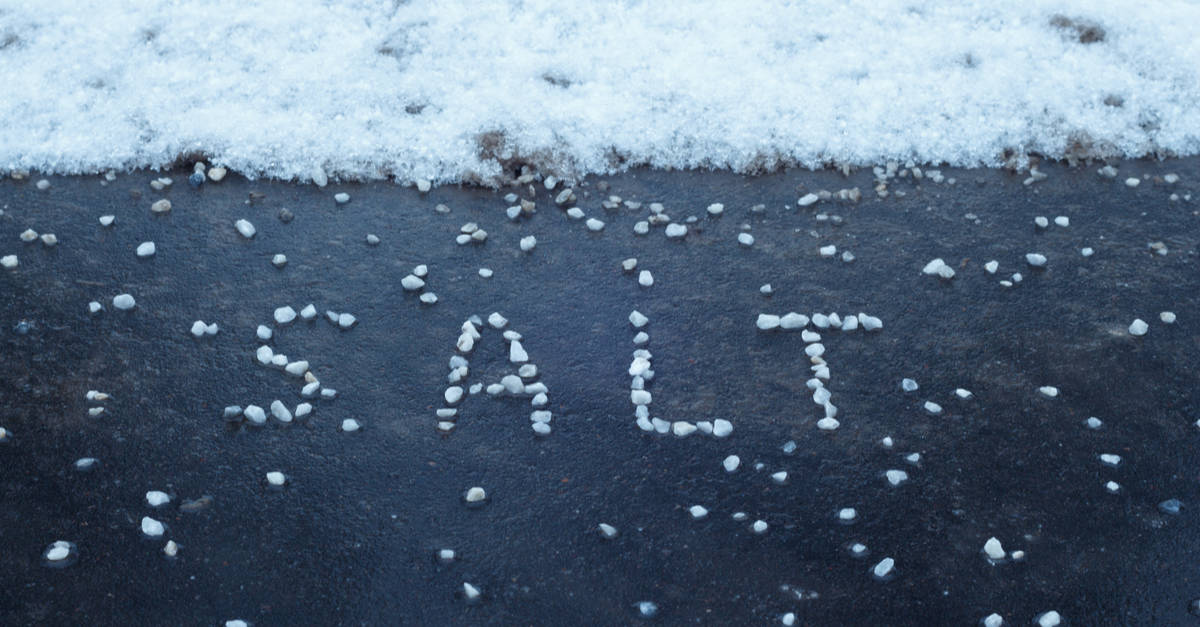
However, just because the melt has become solid doesn't mean it has lost its ice-melting capability. Chemically the ice melt remains unaltered; it's only the physical state that needs to be changed. And any of the following methods can be used to achieve this.
Methods To Unclump Ice Melt
1. Drop The Bag
This is a rather primitive method, but it works. Just take the clumped up bag of ice melt and drop it onto a concrete slab or any level ground. A few rounds should do the trick, and the melt will revert to its old, powdery self.
However, this method can be problematic; for instance, the bag could get damaged, tear up, and spread the melt all over the place. Then you'd have to go through the trouble of picking it all up.
2. Take a Hammer To It
A better option than dropping it on the ground and hoping for the best is to use a hammer to pound the melt to a powder. Be sure to apply firm, even blows, and make sure the bag doesn't break. Otherwise, you might get a faceful of melt powder.
3. Heat It Up
Another method to unclump the melt would be to heat it. Since it's moisture that causes the melt to get clumped in the first place, heating can result in the water to evaporate, causing the substance to revert to its original form.
To raise the melt's temperature, you can place it near an electric heater or store it for some hours in a warm, dry room. Another method would be to place the bags out in the sun and cover it up with a tarp. The tarp can trap some heat and help speed up the process.
4. Use A Hair Dryer
This is rather an interesting hack, one that I figured out myself. First, spread the clumped material onto a tarp, and place it on a flat surface (the floor will do). Then use a hairdryer to remove the excess moisture from the melt.
In short, the primary goal is to raise the temperature of the ice melt so that it loses the excess moisture, and the clumps get removed. In my case, I used the electric heater, and after an hour of heating, the melt was good enough to use.
No products found.
Tips For Storing Ice Melt
So, now you know four methods for unclumping ice melt. You've no doubt understood that though easy, the processes can be troublesome and time-consuming. That's why it's better to follow a few precautions when storing the melt in the first place.
1. Use Airtight Containers
The first and most important thing to do would be to store the melt in airtight containers. Since melts are hygroscopic and absorb atmospheric moisture, it's best to ensure that they're not exposed to it in the first place. Airtight containers can go a long way towards ensuring this.
2. Store In A Dry And Dark Place
Moisture and air are ice melt enemies, so it makes sense to protect it from these elements. That's why, when storing the stuff, make sure you're storing it away in a dry and dark place. Why dark? Because this protects the melt bags from becoming brittle due to UV exposure.
3. Maintain A Humidity-Controlled Environment
While this might only be available in commercial facilities, ice melt is best stored in a humidity-controlled environment. That way, you can be sure that it won't pick up any excess moisture and get solidified.
Final Words
Ice melt is a tricky thing: you can't live through the winter months without it, and you can't leave it unused for a long time either. The challenge lies in striking a balance and getting precisely the amount of melt that you need.
I recommend buying ice melt when winter is just around the corner, and in quantities that you know you'll use up. Also, whenever you open a bag of melt, be sure to use it all up. Otherwise, storing an open bag is just inviting it to get clumped.
That being said, in case you have a sealed packet that's still unused, use any of the methods I've outlined in this guide and store it for the long term. The main thing is to keep it nice and dry, and it'll last. Ice melts can be of different types, for different surfaces-- to know which ice melt is best for asphalt, click here!
Well, that's my cue to leave. Till next time!
Thanks for helping me understand that we could drop the bad of ice melt on any concrete flooring or ground a couple of times to make it powdery again. I will keep that in mind now that I plan to buy some of these before winter to prepare the lawn. It is our first time doing this since we just moved into this property, so I hope I can do this trick properly.
Glad we were able to provide some tips. Thanks for reading. Enjoy your new property this winter 🙂