
Building or purchasing a hummingbird feeder isn't enough. It is vital to clean it regularly to prevent disease and infections for you and your birds.
Last weekend, I visited my friend Jolene to catch up after a long week. We spent the time sipping iced tea and relaxing in her garden. Like me, she loves DIY projects and building things around the house.
While admiring her garden, I noticed her hummingbird feeder looking exceptionally dirty. There was bird poop everywhere, and old bird feed along with feathers and leaves crammed in the corners. I asked her why she hadn't cleaned it recently, to which she replied that she wasn't sure how to.
Hi! I'm Stacy. I have curated this guide for all the bird lovers who want to know how to clean hummingbird feeder.
It's a straightforward process and doesn't take much time. Once I explained it to Jolene, she was grateful and excited to find out how convenient it was, promising to clean it regularly.
If you are curious about how often to change hummingbird feeder, don't worry. I have explained it in detail in this guide.
So, without further ado, let's get straight to the deets!
All About Cleaning A Hummingbird Feeder
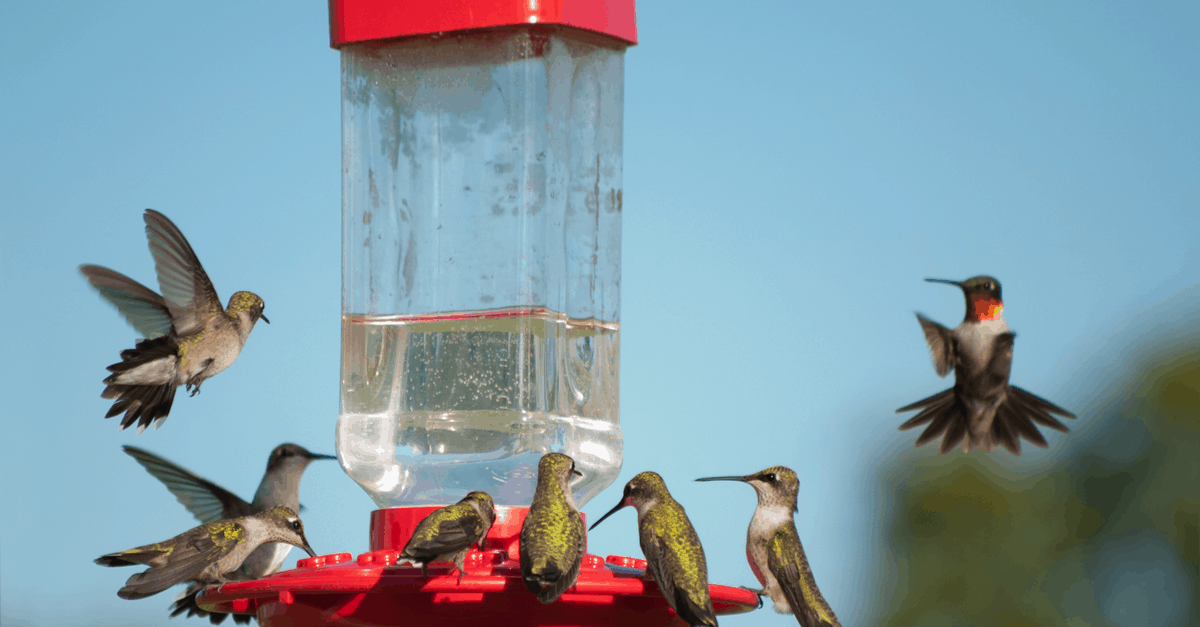
How Often Should You Clean A Hummingbird Feeder?
Before I tell you the step-by-step process of cleaning a hummingbird feeder, let's talk about how regularly you should clean it.
In my opinion, you should clean it at least once a week. That said, you may need to clean it more often (once every three days) during summers. Like most people, if you put nectar in the feeder, cleaning it regularly is imperative.
The reason is that sugar in the water breaks down over time, creating a cesspool of bacteria, germs, and mold or fungus. Not only is this detrimental to the hummingbirds' health, but it causes the feeder to get moldy, thereby needing frequent replacement.
Observe when hummingbirds typically come to your garden to feed. Schedule a suitable time when they are done feeding so you can thoroughly clean and dry their feeder in time for their next visit. Your hummingbirds may most likely visit during dawn or dusk.Guide On Cleaning A Hummingbird Feeder
Step 1 - Disassembling The Feeder
Try and disassemble the parts of the feeder to your best abilities. Begin by removing the base and then slowly removing the rest of the parts. Be careful about where you put them, and remember how to put them back in the right places.
Step 2 - Draining The Old Nectar
Drain the nectar completely from the reservoir and rinse it with hot water. Be careful about where you drain it, as it can attract pests and insects.
Never refill fresh nectar on top of the old one as it may cause sickness. Try your best to gauge the appropriate amount to fill to avoid wastage as much as possible. If you notice that the hummingbirds are not consuming the entire nectar between cleanings, add a slightly smaller quantity the next time.
Step 3 - Soaking The Parts
The next step is to create a soapy solution with hot water and any mild, unscented dish soap. Ensure that you don't use abrasive detergent or scented soap, as this may leave behind a thin residue or smell, which will deter the hummingbirds from returning to feed.
Soak the parts of the feeder in the warm, soapy solution for at least an hour. Of course, before doing this, ensure that the material of the feeder can withstand hot water.
Step 4 - Scrubbing The Feeder
Moving on, you need to scrub the inside and outside of the feeder using a thin brush. Use mild dish soap to do this and ensure that you scrub between the parts and in every nook and cranny. These areas typically host the most amount of grime, stubborn dirt, fungus, and mold.
Step 5 - Drain And Scrub The Feeding Ports
This next step may be one of the most important ones to ensure that the feeder is free of germs, bacteria, old nectar, and mold. Using a thin bristle wire brush, scrub the feeding ports thoroughly. Rinse them repeatedly with cold water to get rid of any remnants of soap, nectar, germs, and other contaminants.
Step 6 - Rinsing The Parts Thoroughly
Once you have completed scrubbing and rinsing the feeding ports thoroughly, use the same procedure for the rest of the parts. Rinse all the parts individually to rid any remaining soap, old nectar, and fungus.
Step 7 - Drying The Feeder
For the next step, lay all the parts of the feeder on a drying rack or a towel. Allow them to dry naturally overnight before reassembling them. If you use a dishcloth to wipe the parts, ensure that you do not use the same cloth for the dishes before washing it first.
Step 8 - Reassembling The Feeder
Once the feeder is completely dry, reassemble the parts carefully, putting everything back in their correct positions. Make fresh nectar with white sugar and water (avoid using brown sugar for this).
Add the nectar to your hummingbird feeder and place it outdoors for the birds to enjoy!
No products found.
How Often Should You Change A Hummingbird Feeder?
If you notice stubborn mold or fungus stains which are challenging to remove, it may be time to change the hummingbird feeder. As such, I would recommend changing the feeder at least once a year.
Summing It Up
That’s it! These are the steps that can help you clean a hummingbird feeder in the easiest and quickest possible way.
It is best to follow this simple cleaning procedure at least once a week during winters and once every three days during summers. That’s because nectar is more susceptible to spoilage in warm environments.
Fortunately, Jolene found this method extremely straightforward as well and was grateful for it. I am sure her hummingbirds are happy too!
If you have any other questions, you may leave a comment below or check out these FAQs for more information.
Until next time, take care!