
The joy of doing something you’re passionate about is truly unprecedented, but trying new things has its share of fun too!
So, when my husband told me that his long-time friend Woodrow and he were planning to relive their college days by going hunting, I was thrilled for them. The weeks leading up to the opening day of the deer season were full of buzz, and their excitement was at its peak.
However, when they began looking for deer feeders, its cost went beyond their budget. I was pretty surprised to know how expensive deer feeders are and took it upon myself to find a solution to their problem.
After doing substantial research, I found that making a deer feeder at home is quite simple and budget-friendly. In fact, a lot of tools needed for it were lying around in my garden shed. I love trying new things, and in my eagerness to experiment, I ended up making a deer feeder for them. And now, I’ve come here to help you.
Hey there! I’m Stacy Smith. And today, I'll help you make a deer feeder at home.
So, without any delay, let’s get right into it.
Making A Deer Feeder At Home
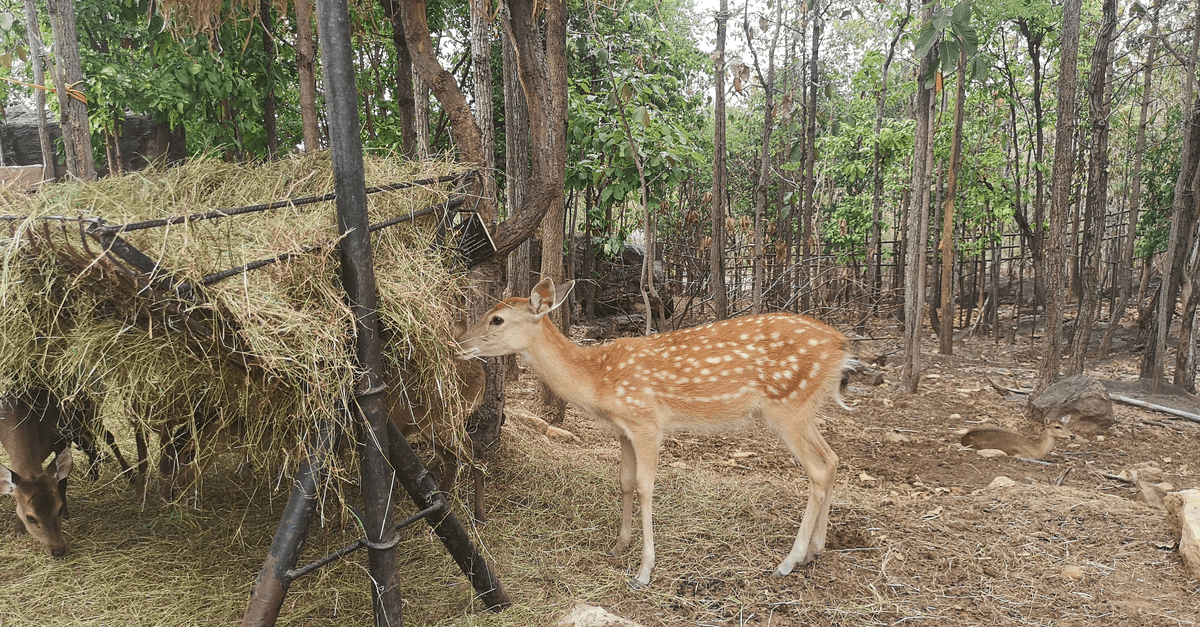
A feeder is an indispensable part of deer hunting. So, making one the right way is essential, especially since it will take considerable time and effort. In this brief guide, I’ll tell you all about how to make a deer feeder.
1. PVC Deer Feeder
Nothing is as easy on your pockets as the PVC deer feeder. One trip to the local hardware store and a quick search in the garden shed will give you all the tools that you’ll need for this project.
Tools Needed
- One PVC pipe of 6 inches
- 2 slip-on pipe caps
- PVC Y-coupler
- Spray paint
- Power Drill
- Rope
Method
Using cement, join the PVC pipe with one end of the Y-coupler. You should do this in such a way that the other end of the coupler faces upwards. Then, drill holes on either end of the pipe to secure it to a tree with a rope. You may use camouflage spray paint to add a splash of color to the feeder.
Next, drill drainage holes in one of the two caps and stick it to the bottom of the Y-coupler. Place the second slip-over cap on top of the PVC pipe and attach an eyebolt after drilling a hole. This will serve as a handle for opening and refilling the feeder.
I thought this was all, but then realized there’s a probability of raccoons tampering with the feeder. So, to secure the cap, drill a hole in its side and attach another eyebolt.
That’s it! Secure the pipe to a tree, keeping the open-end of the coupler on the top for easy access for the deer. Fill it with corn and wait for your prey!
2. 5-Gallon Bucket Feeder
I never thought I could put the 5-gallon bucket tucked away in my garden shed to such good use. I’m sure you’ve looked up how to make a deer feeder out of a 5 gallon bucket many times, only to give up because the instructions seemed complicated.
However, this do-it-yourself deer feeder is ridiculously easy to make and does the job very well. So, let’s begin.
Tools Required
- 5-gallon bucket with lid
- 36-inch long rod
- Washers and screws
- Large tin can
- Power drill
Method
You’ll find many ways to make a deer feeder online. However, I’ll teach you the most straightforward method that I’ve tried and tested myself.
Make a one-inch wide hole at the bottom of the bucket. Take a rod that is broad and at least 36 inches long. Now, suspend the rod from the bucket using a washer. Alternatively, you can insert a large screw across the rod. Make sure it sticks out on both ends and acts as a stopper.
Then, secure the rod to the bucket, making sure it balances on the screw. The screw should be such that there are no chances of the rod slipping out, and it should swing back and forth instead when nudged.
One or two inches of the rod should come out at the end of the bucket. Then, attach a light-weight canister to the rod using a washer. Even with a slight nudge by the deer, the feed will fall from this container.
Now, your deer feeder is ready, and it’s time to hang it to a tree with the help of a rope and fill it with feed. Remember to put the lid back onto the bucket; that’s all there is to it. You can make a few modifications, depending on the availability of the items, but overall it’s an easy process.
3. 55-Gallon Drum Feeder
If you don’t want to refill the feeder frequently, then the 55-gallon drum feeder is perfect for you.
Tools Required
- Drum with lid
- PVC elbow joints
- Wood to build a platform
- Trough-like trays
Method
Make four 2-inch holes at the bottom of the drum at a distance from each other. Insert the PVC elbow joints into these holes and cement the area. Then, drill a hole in the trough-like trays and attach it underneath the elbows, using screws.
Next, build a raised platform out of wood to place the drum and then secure it with rope or ratchet straps.
Your feeder is ready, and you can rely on gravity to channel the feed from the drum to the tray.
4. Protein Trough
If you’ve got good carpentry skills and want to try something creative, the hunting feed trough is a brilliant choice.
Tools Required
- 55-gallon drum
- Corrugated roof sheets
- Treated lumber
- Several boards
Method
The drum is cut in half to make a tray-like structure that’ll hold the feed. Using your carpentry skills, construct a platform with two tall posts and cross beams both at the top and towards the ground.
Next, build a roof using the corrugated roof sheets to prevent rain from damaging the feed.
Then, mount the tray on the platform and fill it with feed. And, there you go!
No products found.
Final Words
That’s all, folks! I hope this informative guide will help you make your very own deer feeder with tools that can be found around the house.
There are several other ways to make a deer feeder, but I’ve kept things short here and elaborated on the four methods I found to be the simplest.
So, go ahead and plan your hunting trip with friends without fretting over the feeder costs. Do let me know if you have any queries in the comments below.
Till then, have fun hunting!