
Cats can help keep rodents away from your property, but they can also be a nuisance.
Now, I’ve had my fair share of experiences with the neighborhood kitties. They had been uninvited guests in my property for quite some time till I decided it was time to keep them away.
They started digging in my yard, leaving around feces, which I initially thought would be a good source of manure. But I soon realized that I was wrong when my neighbor Tom reminded me that cats are carnivores.
As such, their feces tend to contain pathogens and parasites not present in herbivorous manure. That, for me, was a concerning factor because my family generally consumes the veggies I grow in my garden.
So, I switched on my laptop without wasting any time and began my search on “how to keep cats out of garden areas.”
Hi there! I’m Stacy Smith, and today I’ll share my findings with you in the form of this informative guide. Let’s begin then.
Tips To Keep Cats Out Of Your Garden
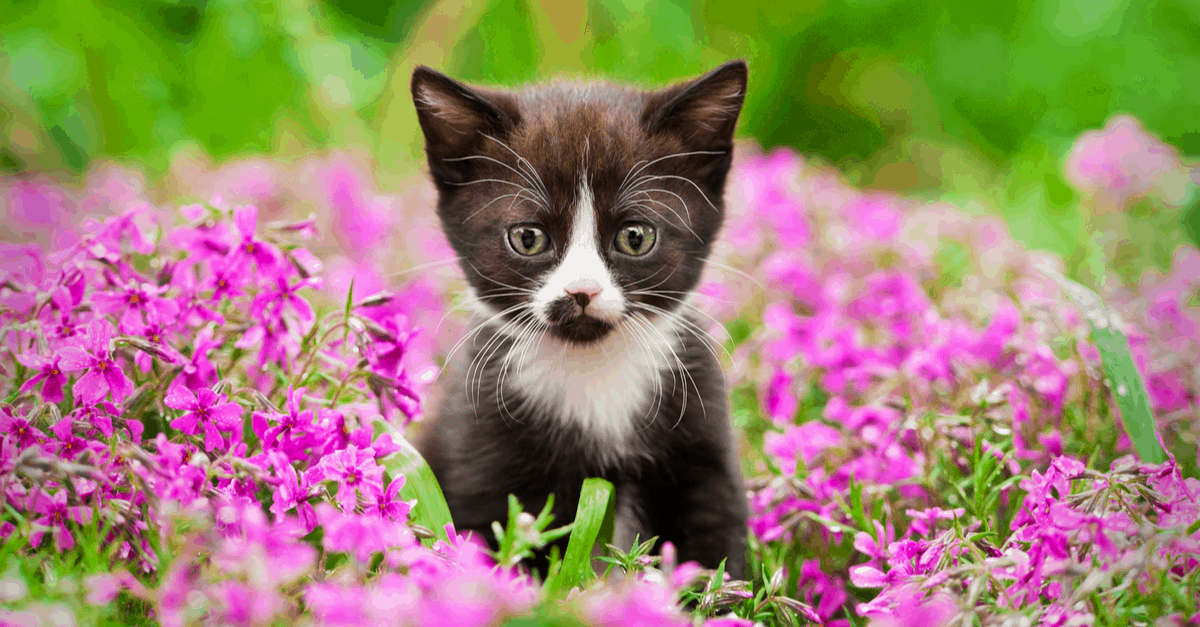
The following tips and tricks will help you prevent cats from wrecking your beautiful and well-maintained garden.
1. Wire-Mesh Fencing
I’ve noticed that cats tend to see freshly turned soil as the perfect litter box. That said, laying down mesh wire, bird netting, or even plastic fences over the soil will prevent them from digging and walking around.
Just make sure the holes of the mesh are large enough for your plants to grow freely. You may also cover it with a layer of mulch to make it look more appealing.
2. Prickly Solutions
Don’t be confused by the heading; cats prefer walking on loose and soft soil, so they’ll most likely avoid prickly surfaces. That’s your cue to cover the soil with twigs, placing them inches apart to make the surface less appealing. Stone mulch, push pine cones, eggshells, and other prickly cuttings can also help serve the purpose.
Another interesting way to make the ground less inviting for cats is by repurposing wooden chopsticks to use as garden stakes. Just make sure you maintain close intervals during placement so that the kitties face a challenge turning around.
3. Use Cat Repellents And Scents
If you didn’t already know, cats are sensitive to smell, especially strong citrus scents. So, a safe and effective way to deter these animals is by placing peels of oranges and other citrus fruits around your garden.
You could also plant lavender, lemon thyme, rue, Coleus Canina (aka the scaredy-cat plant), and other cat repellent plants; their smell will keep cats at bay. I’ve even tried sprinkling brewed coffee around my yard, and that seemingly worked well.
But you’ll be intrigued to know that the scent of human hair can help deter cats as well. However, if none of these natural remedies work, you could use a commercial cat repellent that gives out the smell of their predators’ urine. Being organic and non-toxic, these repellents are said to be safe for plants.
No products found.
4. Make Some Noise
Motion-sensitive bells and wind chimes are a few things that can be used to keep cats out of your garden. You could also keep rocks and pebbles in a jar to rattle when they are near your property.
Furthermore, I’d suggest making use of motion-sensitive and ultrasound devices to scare the little creatures away. These units emit frequencies that most cats are unable to bear but are inaudible to humans.
5. Clean The Yard
Your visitor will definitely be having a favorite spot in the garden. Wash that area using a hose to remove the scent and litter. This will help remove its previous claim on the spot, preventing regular visits to the same areas of your yard. Using eco-friendly liquid cleaners and soap on patio furniture, doors, and windows can also help prevent repeat offenses.
6. Use Water
Mist the garden with water using a spray bottle to keep cats away from your property; after all, they don’t like water that much. You could also install a motion-activated sprinkler system in your yard. It will automatically sprinkle water whenever motion is detected. Just make sure you know when it’s on, and it should meet the US guidelines for water shortage.
7. Construct An Outdoor Litter Box
Your final resort is extending a peace offering to the regular garden visitors. You could build an outdoor litter box filled with sand for them to make use of. Mint, catnip, and honeysuckle can be used as bait to draw their attention towards their new resting/playing area.
Now, you might have to clean the litter box and dispose of the cat waste regularly. But it will at least keep the little creatures away from your plants. Just make sure you place the sandbox away from your garden.
8. Build A Catio
This tip will be beneficial for those who need to deter their own cats. Building an outdoor cat enclosure or “catio,” as you may call it, will save both your garden and its wildlife.
Summing It Up
That brings me to the end of this brief guide on keeping cats out of gardens. Here’s hoping these tips and tricks managed to do the needful.
Now, it’s time I head out, but before that, I’d like to leave you with a quick note. Always try natural and humane ways to deter cats. This will help keep both your garden and little furry friends safe.
That’s all from my end. I’ll be back soon with yet another useful guide on keeping unwanted pests and visitors out of your garden. Till then, feel free to share your experiences of the chaos these animals have managed to create so far.
You could also leave a comment down below in case of any questions related to the topic. I’ll surely address them at the earliest!