
Alligator apple, also known as "bitter cucumber," is a large tropical fruiting tree. It is native to Africa and Asia but can be grown in warm climates all over the world. In addition to its fruit, it provides shade for livestock.
Alligator apples are trees that grow very slowly, with little care they will reach 20-30 feet in height. The trunks are short and stout, with dark brown bark. They grow rather straight, but the crowns have wide-spreading branches. Leaves are large, thick, and leathery; they grow 2-5 inches long. The trees have a small garden appeal due to their strange fruit and slow growth. They are attractive to birds and can be used as a shade for sheep.
How to Plant an Alligator Apple Tree
Alligator apple trees grow best in full sun. They are not picky about soils, but they do not grow well in acidic or salty soils. You can plant them from seeds, but you may need a tall tree to provide shade for the seedlings during their first few years of growth. It is easier to transplant a two-year-old tree.
They grow best in zones 9-11 but can be grown further north with warmer winter temperatures. You should plant them at least 30 feet away from buildings or electrical wires to give the trees room to grow.
How to Grow an Alligator Apple Tree
Alligator apples do not need much care, but they will produce larger fruit if they are cared for properly. The most important thing is to keep the tree well-watered and fertilized. If you do not water the trees regularly, they will produce smaller fruit with an unpleasant taste.
Alligator apples also need lots of sun to grow large fruits; if the fruits don't have enough sunlight, they will taste bitter. Mulch can be used to protect the tree from extreme cold and to keep the soil moist. The mulch must also allow sunlight through so that the fruit will grow big.
How to Harvest the Alligator Apple
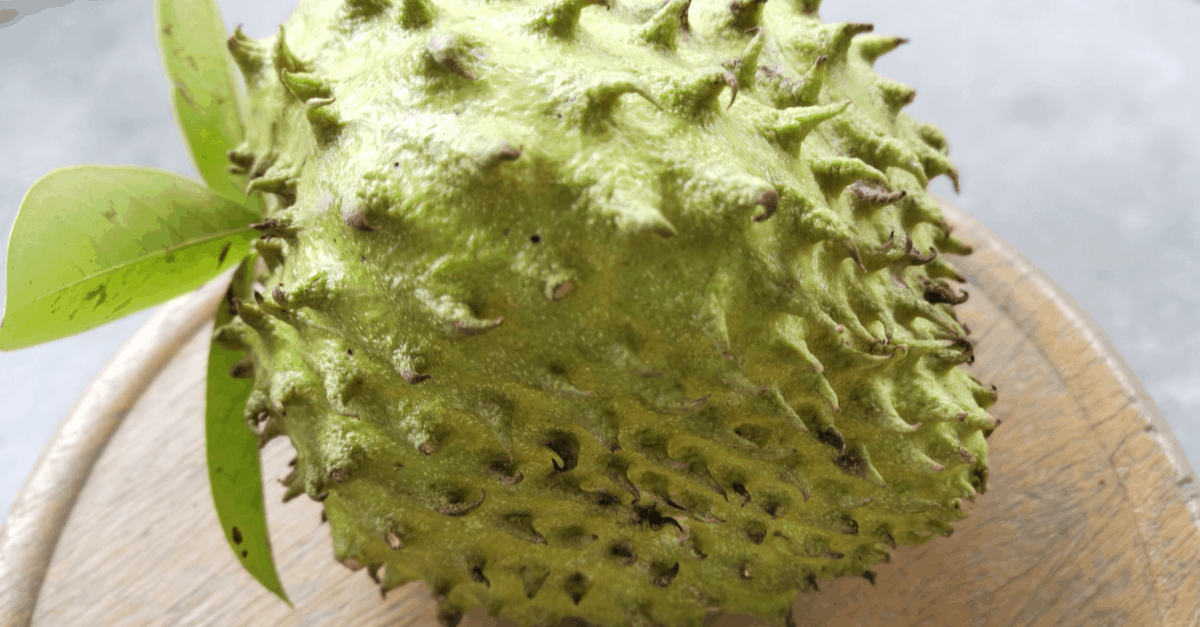
The fruit grows on the trunk, branches, and roots of alligator apple trees. The mature fruits are green with a waxy coating. As they ripen, they turn yellow and then red and grow larger. They may be cut open to reveal black seeds surrounded by white flesh. Some people remove the seeds before eating the rest of the fruit.
It takes about four years for fruit production, which begins when the tree is three to four years old. Fruits are very slow to ripen; they take 5-6 months. Each tree produces less than 10 fruits per year on average, and the largest will have a diameter of 2-4 inches. The fruits can be eaten raw or cooked. They are not as sweet as regular apples, but they have a wonderful sour flavor that is similar to citrus fruits.
What does Alligator Apple Taste Like
Alligator apples taste similar to citrus fruits. They are not as sweet, but they have a wonderful sour flavor similar to lemon and orange. Most people that grow the trees report that the fruit is very bitter. If you want to make an alligator apple pie, it will be better if you add some sugar or even use mangoes instead.
When eaten raw, the fruits often turn green because of a substance called chlorophyll that is related to the green coloring of leaves. Chlorophyll makes other plant foods taste bitter and unripe, so people tend to avoid them. Alligator apple fruits are not poisonous if eaten green; they just have an unpleasant sour flavor.
How to Store Alligator Apples
You can store alligator apple fruits in a refrigerator for up to two weeks. When stored at room temperature, they will begin to turn yellow and eventually brown. You can freeze alligator apples for longer storage, but you should keep in mind that the texture of frozen fruits changes when they are thawed.
There are several methods for preserving alligator apple fruits. One way is to make juice or jam from fresh fruit. Most people who try this report that it is better to add sugar and lemon juice to make it even tastier. You can also freeze ripe fruit for future use.
Alligator apple fruits are usually used in curries and other savory dishes instead of desserts. They can be made into a spicy paste that is popular in India, or you can make a chutney out of them. The fruits are also often deep-fried and sold as a snack in markets.
What are Alligator Apples Used For
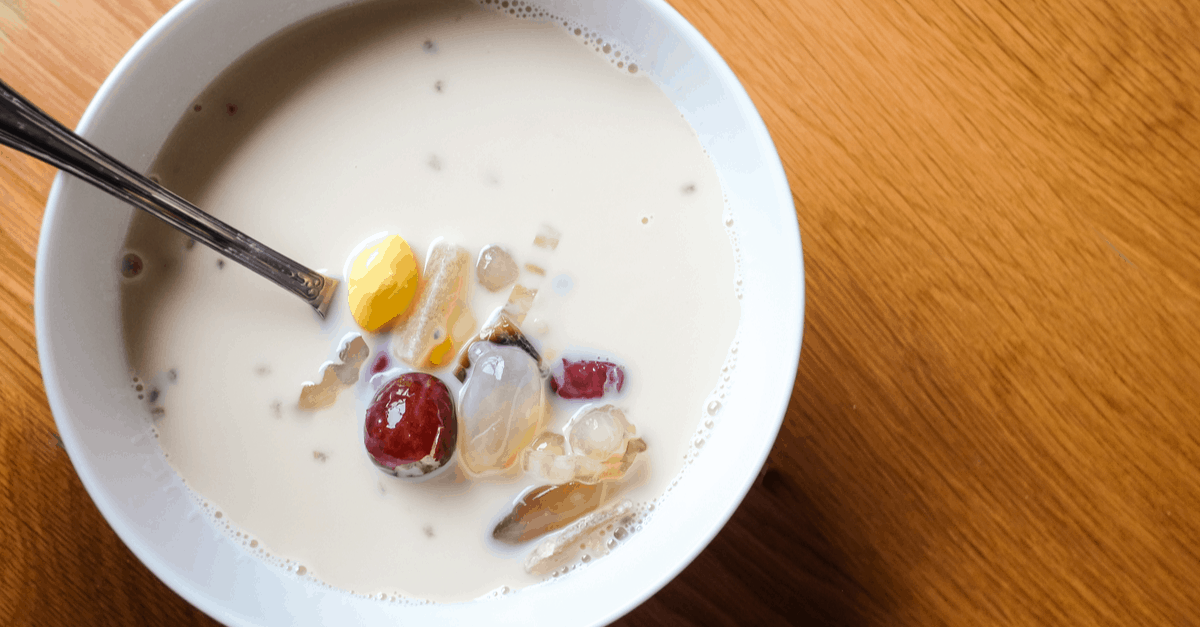
Alligator apples are used in India to flavor curries and chutneys. They are also often eaten raw as a snack. The fruits can be cooked with sugar, spices, and other flavors to make desserts or fillings for pastries.
What are the Health Benefits of the Alligator Apple
Alligator apples are a great source of vitamin C and beta-carotene. Vitamin C is vital for immune health, while beta-carotene helps reduce the effects of aging. Both nutrients also help to protect cells from damage by harmful free radicals because they contain antioxidants. The antioxidant properties of alligator apples make them a healthy way to reduce the signs of aging.
The high fiber content in alligator apple fruits can help you relieve sinus congestion naturally. When you have a cold, your body is susceptible to viruses and bacteria that cause infections and illnesses. Bacteria and viruses often enter the body via the respiratory tract and cause infections.
In this blog post, I’ve covered all the basics of Alligator Apples. From where they grow best to how much water they need, you know everything there is to know about this great fruit! Now it’s your turn; do you grow them? Do you have any tips for others who are considering planting these awesome trees in their backyards or gardens? Let me know what works and doesn't work for you so we can get a richer understanding of how other people plant and care for these trees.