
Though I’ve often handled electrical equipment for several jobs around the home, I am always on my toes during such situations.
Hence, the heat resistance of electrical tapes is something that has often crossed my mind, as I have to use them frequently for many repairs and installations. That’s why I once decided to clear all the confusion in this regard by conducting some fruitful research.
At that time, I had to work on some more electrical repairs, and I was planning to buy some tapes for insulation purposes. On delving deep into the manufacturing procedures and safety standards associated with electrical tapes, I finally found the answer to all the questions I had in mind.
Since then, I have been much more confident about using electrical tapes for all the jobs. Hi! I’m Stacy, and today I’m here to answer the question, “Can electrical tape catch fire?”. So, without further ado. Let’s begin!
Can Electrical Tape Catch Fire?
To get a satisfactory answer to this question, you must consider several relevant aspects of electrical tapes. As such, I’ve divided my guide into a few sections dealing with each of these aspects.
Answering The Question
Notably, many reputed brands on the market produce tapes for use in electrical repair and installation jobs that can withstand temperatures of as much as 80°C. But despite this fact, these tapes are prone to catching fire in case they turn really hot.
Speaking of my own experience, sometimes I’ve observed that a part of the wiring wound with electrical tape turns quite hot. This mainly happens when the power is switched on for a long time.
So, it’s best to use electrical tapes in the proper manner and in a suitable environment to keep the chances of combustion lower. You should also note that these tapes come in several varieties that offer different degrees of heat resistance. I’ll deal with each of these varieties in detail in later sections.
PVC Tapes And Their Properties
Manufacturers of electrical tapes mostly use polyvinyl chloride or PVC backing and a corrosive adhesive made of rubber as the raw materials. Notably, the backing gives such tapes the stretchability needed to conform to the cables and wires during repair and installation. This is vital for all electrical tapes as it lets them wrap around the wires tightly to create long-lasting insulation.
But the other types that I’ll discuss later, such as cloth and film tapes, don’t possess this elongation property and are much less effective.
Dangers Of A Charged Wiring
Charged electrical wiring might cause the materials of the electrical tape to dry out and consequently catch fire. For instance, some tapes come with a backing made from cloth fibers. Hence, when the voltage in a circuit rises, these are more likely to catch fire.
UL Listing Of Electrical Tapes
The majority of electrical tapes are rigorously tested to ensure that they comply with the safety standards set by the Underwriters Laboratories, Inc. (UL). Accordingly, they are UL listed if they get through all these tests.
In the process, their capability to handle various natural elements such as cold temperatures, sunlight, and moisture is tested. They are even tested for a few physical properties such as backing strength, adhesive strength, and elongation.
There is also a rating assigned to each of the tapes after they are UL listed, and the ideal electrical tapes should possess a higher rating. You must keep in mind that these tests are also a way to ensure that the tapes offer enough heat resistance during use.
Another thing to note is that the UL listing is applicable for other tapes also, like the foil tapes and HVAC tapes. But these are not suitable for use in electrical purposes, as they are unlikely to meet the requirements set for electrical tapes.
So, you must be careful to note whether the tape you’re purchasing is indeed perfect for use in electrical repair and installation.
I had once mistakenly bought duct tape from a departmental store and realized this much later, just when I was about to begin repair work at home. Since then, I have been extra cautious while purchasing electrical tapes.
Some Common Electrical Tapes Other Than PVC
A. PTFE Electrical Tape
The polytetrafluoroethylene (PTFE) tape, also known as Teflon tape, is a costly synthetic polymer possessing high chemical resistance. It is also universally inert, which makes it ideal for use in electrical tapes. Furthermore, it’s insoluble in the harshest of solvents and can withstand temperatures of up to 300°C.

- 【Extreme Heat & Chemical Resistance】Engineered for durability, our tape withstands continuous temperatures up to 500°F (260°C) and peak exposure up to 600°F (315°C). The PTFE coating is highly resistant to most chemicals, oils, and solvents, preventing corrosion and ensuring performance in harsh environments.
- 【Excellent Electrical Insulation & Waterproof】This PTFE tape acts as a superb electrical insulator, offering reliable protection in high-voltage and electronic applications. Its completely waterproof and moisture-proof nature creates an impermeable barrier, safeguarding sensitive components from short circuits and environmental damage.
- 【Superior High-Tack Adhesive】Features a powerful, aggressive adhesive backing that ensures a strong, immediate, and long-lasting bond to a variety of surfaces. It provides secure holding power even on uneven surfaces, making application quick and reliable for both industrial and DIY projects.

- Material: Durable PTFE and silicone.PTFE tape with smooth surface, excellent anti-adhesion, corrosion resistance, high temperature resistance, and excellent insulation properties.
- Size:25mm / 1inch; L0ngth: about 10m / 33ft;Thickness: about 0.13mm
- Feature:One-side self-adhesive design, High temperature Heat Resistant about 572 F (300 C).This heat resistant tape will withstand the high temperatures of heat press and sublimation process, without rest on surface when tear.
B. Rubber Insulation Tape
Made from vulcanized rubber, these tapes are mostly used for heavy-duty purposes. But you can also use them for a range of electrical repair work if you’re looking for a more durable option. As for the heat resistance offered, these tapes are suitable for use in medium to high voltage applications, and hence are a good alternative to PTFE tapes.

- Cuts wasteful heat loss on hot water pipes
- Prevents cold water pipes from sweating
- Easy installation

- 【Quality Rubber Material】The Adhesive Rubber Strips are made of high quality solid rubber material, tear-resistant and long-lasting, black color with smooth finish on both sides, which is quite different from the ordinary sponge or foam strips
- 【Excellent Durability & Flexibility】The Adhesive Backed Rubber is aging resistance from weather while maintaining its flexibility, strength, durability, flexing and twisting quite well over a wide temperature range and condition with its outstanding toughness. Reducing unnecessary friction between the objects with its good wear resistance
- 【Self-adhesive Backing】The Rubber Strips with Adhesive Backing are attached with strong self-adhesive backing, which is much more convenient and easier to use. It is ideal for various DIY home and industry projects
C. Cloth Tape
Coming with a cloth backing, this is among the most popular electrical tapes on the market due to its mechanical properties. However, it’s not a reliable option when it comes to insulating one or more wires.
I had tried this out in one of my projects, but it often turned hot. Hence, to be on the safe side, I replaced it with rubber insulation tape.
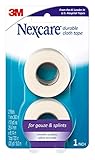
- SUPER STRONG: 2 rolls of 1-in x 10-yds Nexcare Durable Cloth Tape (known in hospitals as 3M Durapore Surgical Tape)
- STRONG ADHESIVE: This adhesive is strong enough to hold splints and bulky dressings
- FLEXIBLE: Silk-like material is strong and pliable, easily conforming to areas like fingers, toes, elbows and ankles
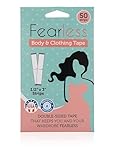
- Secure Your Fashion with Double Sided Clothing Tape - Professional tape for women keeps dresses, tops, blouses, and all clothing perfectly placed all day. This clear body tape works as dress tape fabric to skin, bra tape, and garment tape for any outfit. Each pack includes 50 strips of 1/2" x 3" transparent tape for maximum coverage and versatility for fashion emergencies.
- Gentle on Skin & Hypoallergenic Adhesive - Our double sided body tape features medical-grade adhesive that's gentle enough for sensitive skin while providing all-day hold. This skin tape creates an invisible barrier between fabric and skin, perfect for backless dresses, plunging necklines, and strapless tops. Unlike harsh sticky tape alternatives, Fearless tape removes cleanly without irritation (patch test recommended).
- Protects All Fabrics - Replace Safety Pins Forever - This fabric tape double sided solution works on silk, satin, cotton, lace, and delicate materials without leaving marks or residue. Use as hem tape for dress repairs, clothing tape to keep clothes in place, lingerie tape, or tape for clothes gaps. Our clear cloth tape is the professional alternative to damaging pins and clips for wardrobe fixes and fashion styling.
Final Words
So, next time you’re dealing with electrical tapes during a repair or installation work at home, have these points in mind, and you’ll be safe and protected.
But before I sign off, here’s the last tip for you. If you’re purchasing electrical tapes online, make sure you carefully go through the customer reviews. That’ll help you understand whether the tape is suitable for your needs and offers enough heat resistance.
If you have any more questions regarding electrical tapes, you can always reach out to me in the comments section below. I’ll be back soon with more such guides.
Good day!