
Pesticide contains harmful chemicals that have adverse health effects on humans and animals. If your home has recently been treated with pesticides, then there are steps you should take to clean any residue.
If not treated, adverse health effects include stinging eyes, blisters, blindness, nausea, and death.
While you may not think small exposure to pesticides couldn't harm you, that’s untrue. Even months or years after exposure, one could experience adverse health effects. Hence, it’s essential to know how to clean house after pesticide.
If you’re unsure where to start, don’t worry. We’ll be breaking down all the recommended steps you need to take. That way, you can get back to your life without any health risks or exposure to lingering pesticides.
How To Clean House After Pesticide Is Sprayed
After a pesticide treatment, it’s essential to clean the whole house, even if some of the areas weren't treated. Methodologically cleaning the home can ensure that you don’t miss any spots.
Below is the process on how you should go about cleaning your house.
What You'll Need
The materials and tools you need for this cleaning method are:
- Rubber gloves
- Face masks
- Dishwashing soap
- Vacuum cleaner
- Trash bags
- Sponges
- Rags
- Steam cleaner
- Laundry baskets
- Shampooer
What You Need To Do
Here are the recommended steps to cleaning your home sprayed with pesticides:
1. Wipe Down Walls
The walls will be the first place you’ll want to wash. Liquid sprays end up getting on everything in the home, including on the walls and ceiling.
If the infestation was inside the home walls, then the walls will have high amounts of pesticide residue, which needs a thorough cleaning.
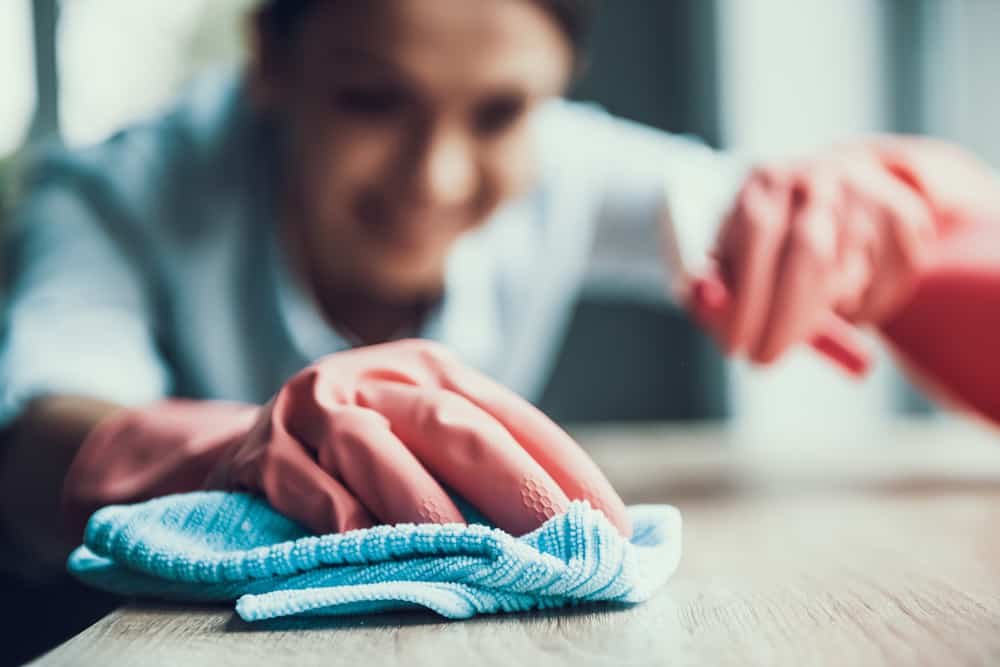
When cleaning the walls, make sure to use gloves and a face mask. You will want to use cloth rags sprayed with a soapy water solution. These will help remove all leftover pesticide residue.
Place towels that you plan to throw away on the floor to prevent the pesticide from spreading. If the water drip on the floor, you’ll need to wipe the area dry and clean.
Make sure to discard any cloth you use to wipe them down. Also, dispose of your face mask and gloves once you’re done using them.
2. Steam and Vacuum Furniture
If you didn’t cover your furniture before spraying pesticides, it’s important to sanitize before using them again.
To sanitize furniture properly, you will need to use steam to release the chemicals from the fabric. Although, there are some fabrics that you can’t steam, such as suede, wax, or plastic adornments.
After steaming, use a vacuum cleaner to pick up the remaining particles and help dry the fabric. It would help if you steamed at least two times to ensure no remaining particles.
Utilizing a shampooer can yield the same results or more effectively remove pesticides.
3. Wash Clothes
If any clothes were left in the house when pesticides were sprayed, then you’ll also need to wash them.
Taking them to a professional laundry cleaner can help ensure that each piece is treated for bugs and adequately cleaned. Pests often lay eggs in clothing, so making sure your clothes are clean will ensure they don’t come back after treatment.
4. Throw Out Uncovered Food
Ingesting pesticides are incredibly toxic and can be deadly in high doses. You need to throw away any food left uncovered.
Additionally, pests will be prone to laying their eggs in food that’s left out. So, tossing any remains is the best way to ensure they don’t come back.
Even foods left in boxes, you will need to throw them away unless they're sealed completely to prevent any chemicals from getting into them.
You need to throw out cereal boxes or snack boxes along with anything stored in plastic bags. You should also disinfect and rinse cans; otherwise, you also need to toss them away.
5. Wash All Utensils
Small particles will linger and get on anything you didn't remove, including kitchen appliances. Be sure to wipe down any utensils, countertops, and dishes left out.
Aside from that, you must wipe pots, pans, and cooking appliances with soapy water. If you can’t get the toxins from the utensils or appliances, it’s best to throw them away.
Even a little exposure to pesticides over an extended period can have serious repercussions. So, it’s best to avoid this by replacing anything you can’t clean or even plastic materials.
6. Clean the Floor
The very last place you should clean is the floor as the water from cleaning other areas may get on the floor. For carpet, use a shampooer to eliminate any pesticides, as this will be the most effective.
Wipe them down using dishwashing soap and water solution with a mop for wood, tile, or other solid floors.
How Long After a Treatment Can I Clean Up?
This will depend on the type of pesticide used. If you’ve hired a professional, then you’re going to want to wait as long as a professional tells you to wait.
Otherwise, you can wait three to five days after applying the pesticides.
What if You See Pests After Treatment?
Pesticides are long-lasting, so the effects may take anywhere from three to four weeks before all bugs are gone. If you didn’t use a slow-acting repellent, eggs might hatch soon in the leftover nesting areas.
Pay close attention to where the bugs are coming from so that you can locate and destroy the remaining nests.
Cleaning Your House Thoroughly After Pesticide Exposure
Anytime anyone uses pesticides indoors, all surfaces need to be wiped down and cleaned.
Side effects don’t always show up right away, so it’s best to do a thorough cleaning to reduce risks. Plus, if you have small children or pets, you’ll want to clean off areas that they have access to.
Cleaning pesticides isn’t that complicated, as most of the cleaning process will be wiping down areas with soapy water. Otherwise, you’ll need to use a shampooer or a vacuum. Just be sure to throw away any cloth or cleaning supplies once you’re done.
Hopefully, we’ve helped you understand how to clean house after pesticide is sprayed.