
Lime can be a fantastic solution for gardens, but knowing when to apply lime to vegetable gardens can be a task.
If you've been noticing you can barely grow anything in your gardens, it could be due to your soil's pH.
You can remedy the issue with lime to create more nourishing soil to support your plant's growth cycle.
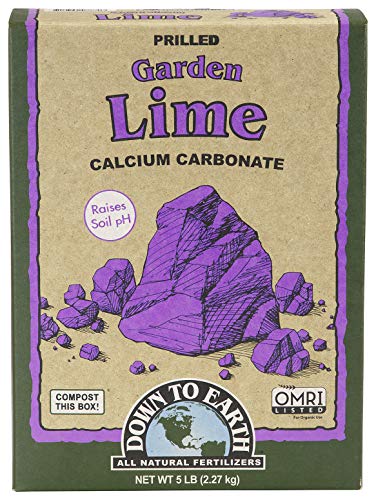
What Is Gardening Lime?
When amateur gardeners hear the term "lime," they immediately think of the tart, green fruit.
However, gardening lime is considerably different, derived from limestone.
The mineral is often taken from quarries and manufactured to create fine particles sprinkled into your soil.
You'll find that when buying lime from garden centers, they're often marketed as either calcium carbonate or calcium magnesium carbonate.
Compared to traditional garden lime, calcium magnesium carbonate has added benefits for your plants.
Also known as dolomite lime, this ingredient contains magnesium for added nourishment for growth.
Why Do Garden Plants Need Lime?
If your soil has good pH levels, it's likely your plants won't require lime to grow well.
However, not every property is the same, and many plants require specific pH's that you can achieve naturally.
With lime, gardeners can reduce the soil's acidity, encouraging the plants to grow.
A pH between 5.8 and 6.3 is optimal for most plants, as highly acidic soil can cause burning, stunted growth, and poor-tasting fruits.
One of the best ways to determine whether your plants could do better with lime is to get your hands on a soil test.
How Do I Get a Soil Test?
Before you begin adding garden lime to your property, it's essential that you first test your soil.
Without a test, you could be changing the pH beyond the levels it needs.
Unfortunately, this can do more harm than good, leading to plant death and stunted growth.
There are a couple of ways to get a soil test, whether you do one at home or use a professional service.
At-home soil testing can give you a general idea of whether your planting areas are alkaline or acidic.
But, it won't be nearly as informative and accurate as getting a sample professionally analyzed.
At-Home Soil Testing
The easiest way for homeowners to test their soil at home is to use baking soda and moist soil.
Take one tablespoon of damp soil from your garden and put it in a container.
Add four pinches of baking soda to the soil and watch the reaction.
If the baking soda fizzes, that means the pH is somewhere below five, meaning it's incredibly acidic.
You can also use vinegar for this trick instead of baking soda.
Simply put one tablespoon of dry soil into a container and drip five drops of vinegar on top.
If the vinegar begins to fizz, it means the pH is over 7.5 and too alkaline.
Although these tests don't give you exact numbers, they can give you an idea of whether there's an issue to be fixed.
Professional Soil Testing
As mentioned, having your soil professionally tested is one of the best ways to maintain your garden's quality.
With a professional test, you'll have an exact pH number and any nutrients the soil lacks.
Using these results, you can then add supplements to your garden to give optimal nourishment to your plants.
Professional soil tests will give gardeners an idea of their soil's potassium, phosphorus, and nitrogen content.
Along with managing the pH, other supplements can assist with plant fertilization, root health, and growth.
Ideally, try to get a soil test completed six months before growing season, as this gives you time to prepare your soil.
It's also highly recommended you get a soil sample analyzed every year.
This process ensures that the nutrients are retained in the ground for the upcoming season.

When to Apply Lime to Vegetable Garden
Adding lime to your vegetable garden is just as simple as adding fertilizer or other growth supplements.
The application times could vary whether you're using hydrated or dolomite lime.
Let's take a closer look at some key tips to help you know the best timing for plant health.
Applying Dolomite Lime
It's most likely you're working with dolomite lime when getting your gardens ready for the year.
It's important to note this ingredient can take weeks or a couple of months to activate within the soil.
With that said, you'll want to ensure you add lime between two and three months before planting.
That is why you must get a soil test done, as it will tell you the figures you need for lime application.
You will know how much lime you need based on your soil's pH and when it needs to be applied.
It's also important that you follow the specific instructions for the lime you've purchased.
Most often, gardeners stick to the rule of thumb that you use one to two pounds of lime per 100 square feet.
You'll also want to take the time to mix the lime up to six inches into your soil using a rototiller.
Applying Hydrated Lime
Hydrated lime is a faster-acting mixture as an alternative to dolomite lime.
It won't need to be applied as early, especially as it mixes into the soil more effortlessly.
In most cases, you can get away with adding hydrated lime only two weeks before planting.
The most important thing to note with hydrated lime is the amount you need, which is less than dolomite lime.
Most gardens do well with 3/4 to 1 1/2 pounds of hydrated lime per 100 square feet.
Similarly, ensure you mix it up to six inches deep in your soil using a rototiller.
Another essential tip for hydrated lime is to ensure it remains hydrated.
If you're adding it when the soil is dry, always water it afterward.
Watering helps boost the reaction that causes the chemicals to adjust the soil's pH.
Seasonal Considerations
One other critical area of concern when applying lime to your gardens is the specific season.
There are two times of year that you'll want to use to your advantage: fall and spring.
Adding Lime in Spring
Gardeners often add lime to their gardens in the spring, right before planting season.
As mentioned, ensure that you add the mixture several weeks before planting.
The more time you give the lime to absorb into the soil, the more balanced the pH will be for your plants.
Adding Lime in Fall
The most popular time to add lime to your vegetable gardens is fall.
That is because you'll be giving the soil several months of nourishment over the winter.
When combined with a protective covering, like mulch, the soil can use warmth and moisture to break down the lime.
When sowing season comes around in the spring, you'll find your soil levels will be at their healthiest.
As mentioned, the longer your lime has to work itself into the soil, the better it is.
Always consider adding lime to your gardens after your final harvest to jumpstart the process.

Tips for Applying Lime to Gardens
Now that you have a good idea of when and how to add lime to your gardens, let's go over some pro tips.
Using this advice, you'll be able to make the most out of your vegetable gardens for the most delicious yields.
Tip #1: Find Lime-Loving Plants
If you want to reap the benefits from lime-enriched soil, consider planting veggies that love soil with a pH between 6 and 6.5.
There is an assortment of lime-loving plant varieties to choose from, including:
- Tomatoes
- Beans
- Peas
- Spinach
- Lettuce
- Leafy greens
- Cabbage
It's best if you avoid vegetables that prefer acidic soil, such as potatoes and parsley.
If your soil is too alkaline, not only will your acid-loving plants find it tough to grow, they might also taste poorly.
Tip #2: Remember to Reapply Lime
Even though lime is a surefire solution to balancing your soil's pH, it's something that needs to be reapplied.
If you're adding it to a ground garden, it will wash away throughout the season.
You'll want to take the time to add more to your gardens at the end of the season.
The only time you might not need to consider reapplying lime is if you're working with raised garden beds.
Raised beds don't have as much runoff as ground gardens, retaining more nutrients and lime.
Tip #3: Always Spread the Lime
Distributing lime evenly throughout your gardens significantly increases its usefulness.
The more it's tilled into your soil, the easier it will be for your gardens to absorb.
At a minimum, lime should be tilled six inches into the ground for optimal absorption.
Once added, ensure you water the lawn to help it distribute more evenly throughout the ground.
Adding water is also essential for jumpstarting the chemical reaction needed to manage your soil's pH.
Applying Lime to Your Garden Successfully
After learning when to apply lime to vegetable gardens, you can create an assortment of high-quality, delicious plants.
Managing your soil's pH is simple with the help of professional tests and regular upkeep.
Instead of having barren gardens during the growing season, transform your plots with your favorite veggies.