Ackee is a fruit that comes from Jamaica. It is related to the lychee and longan fruits, but it has an interesting flavor because of its natural toxins. The benefits of Ackee are many, but not everyone can stomach how it tastes. Here are some tips for planting, growing, and harvesting ackee plants to make sure you get what you want out of your experience with this unique fruit!
How to Plant an Ackee Tree
Ackee trees can be grown from seeds or by taking a cutting.
- If you're planting ackees in containers, make sure your container has drainage holes and that it is filled with high-quality potting soil.
- Fill the hole about halfway up with dirt before placing your seedling (or rooted plant) on top. Gently firm the dirt around the root ball and water well.
- Don't forget to keep your plant watered! Ackees are tropical plants, so they need lots of moisture for their first year or two in order to stay healthy.
- If you're planting ackee trees outside, make sure that there is a lot of space around the plant and that it receives full sun.
How to Grow an Ackee Tree
Your ackee tree will need annual pruning to stay healthy.
- If your plant is in a container, you'll want to pinch out the tips of each branch and trim back any side shoots that are growing from the roots or below ground level at least every two years.
- Outside plants should only be trimmed four to five times a year. Trim any new shoots back to about the length of their parent branch and trim back long-side branches by at least half.
- You'll also want to inspect your tree for insects or diseases every couple of months during the growing season, with particular attention given to blossoms and fruit.
How to Harvest an Ackee Tree
Ackee trees will typically produce fruit for about five years before they start to decline.
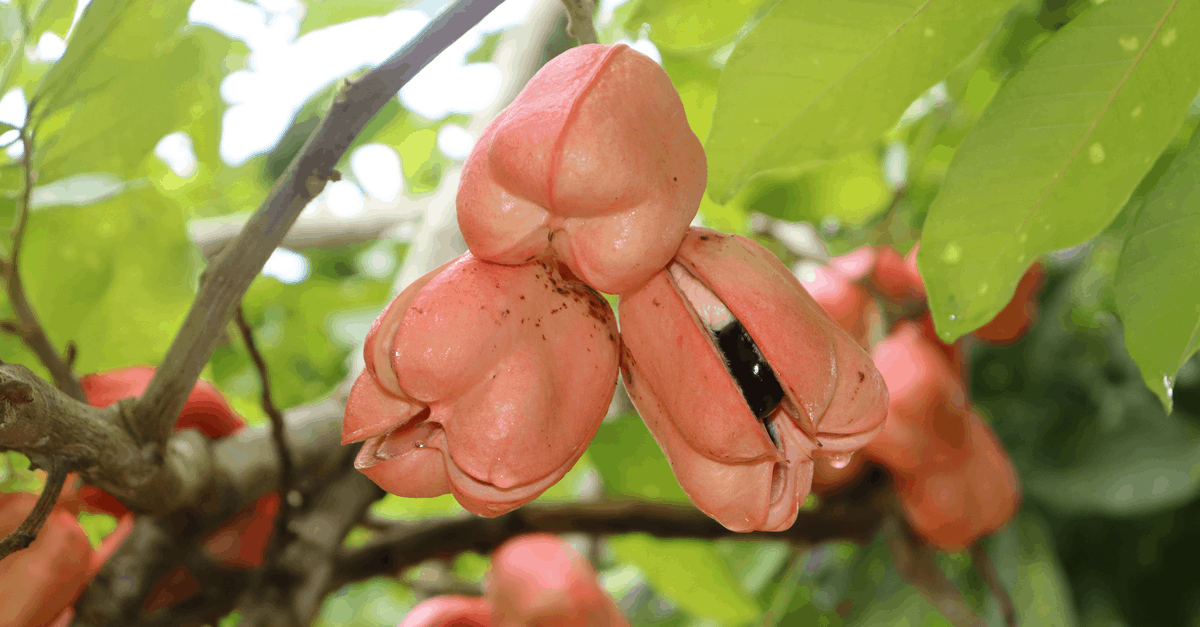
- Fruit should be harvested when it is dark and turns red but has not yet turned yellow or green.
- The easiest way to harvest ackees is by shaking the tree from a distance of at least one meter until all the pods have fallen to the ground.
- Once all of the pods have been shaken off, inspect them for brown spots or blemishes before picking out any that are not fully ripe and eating fresh!
What does Ackee Taste Like
The taste of ackee depends on how it is prepared. The raw fruit tastes similar to a potato with some sweetness, but its flavor becomes much more mild and fruity when cooked.
- Ackees are most commonly diced or mashed into dishes like Jamaican patties or used as an ingredient in other recipes such as smoothies, curries, and soups.
- Ackees can also be boiled or fried with salt to make a dish called ackee and saltfish which is popular in Jamaica.
- The fruit doesn't last very long when it's raw so cooking it as soon as possible will help you get the most out of your plant!
How to Store Ackee
Ackees can be stored in the fridge for up to two weeks.
- If you're cooking with raw ackee, make sure it is thoroughly wrapped so that no moisture or fruit flies get into your food!
- Wrapped and sealed dishes should then go straight from the refrigerator to a pot of boiling water where they will need to cook for about ten minutes.
- If you want to store your ackees before cooking, leave them in the fridge until they are thoroughly chilled and then seal them tightly so that no moisture can get in or out of the package.
- They should be stored at around 40 degrees Fahrenheit with a relative humidity level below 50%.
What is Ackee Used For
- Ackee is a popular ingredient in Jamaican dishes such as ackee and saltfish.
- It can be cooked with eggplant, shrimp, or other vegetables to make an omelet that's typically eaten for breakfast.
- Fruit cocktails are another favorite way to enjoy this exotic fruit! Ackees mixed with other tropical fruits and juices make a healthy, refreshing drink.
- Ackee is also used in some African dishes like fufu or Akara for its starchy consistency and subtle sweetness.
- It can be mashed into bread dough to give it elasticity during the rising process as well!
What are the Health Benefits of Ackee
Ackee fruit is low in calories, high in fiber, and a good source of vitamin C.
It's also rich in potassium and has more protein than many other fruits! Ackees are especially important food to eat if you're pregnant because the nutrients help protect against birth defects or diseases like diabetes.
Ackees are also a good source of iron!
The high levels of vitamin C and iron in this fruit make it a healthy choice for people with anemia or those who need to build up their immune systems before the flu season!
Ackees are used all over the world as a staple food because they are so healthy!
The protein in ackees can help to sustain your body and keep you full for hours. Ackee also has a high fiber content that promotes digestion, which is great if you're feeling bloated or constipated.
Summary
Enter your text here...Ackee is a great tree to grow. It’s not for everyone, but if you live in the right climate and are looking for something new to try out as an edible fruit or ornamental plant, then it could be worth considering. There are many uses of ackee that make it more than just food; they can also provide shade, natural fences, firewood, and other things like this. If you have any experience with growing ackee trees or using them around your property, let us know below! We would love to hear from you about how these little guys do for you compared to what we talk about here on our blog post today. Does anyone else grow Ackee? Have there been any questions about it?




Can container grown Ackee bear fruit? And I am in New Orleans zone 9b. Can I grow and ackee tree in the ground here?
Ackee trees traditionally are started in containers but are typically transferred out after they are done with the young part of their life. They have had success growing the tree down in Florida. This is a great read to dive deeper into Ackee growing https://edis.ifas.ufl.edu/publication/HS378