
The African cherry orange was first described by German botanist Karl Friedrich Rehfeldt in 1831, after being sent a sample from Mozambique. He named it "Citrus decandra," which was eventually changed to "Citrus aurantium."
An African cherry orange, also known as the Nkontomire variety, produces one of the most nutritious types of oranges in West Africa. This investment is suitable for small-scale farmers, as well as university students, and backyard gardeners. Read on to discover how the African cherry orange can help you diversify your growing repertoire!
How to Plant African Cherry Orange Trees
The African cherry orange tree prefers tropical or subtropical climates with warm, humid weather. In general, the trees do well in most kinds of soil. However, they perform better on loamy sand with an acidic pH level (between 4 and 5). For both planting seeds and transplanting seedlings into the garden or potting soil, allow the soil to dry out and warm up before handling.
The seeds germinate better after the coldest period is over in the spring. Sow the seeds about 1 inch under the soil surface, and cover them with 1/4 of an inch of soil. To keep moisture levels high throughout germination, make sure to water as needed so that the soil remains moist but not soggy.
Plant the African Cherry Orange Trees apart, and allow 10 to 15 feet of fencing between trees. Since the trees are grown for their fruit, they perform best when planted in groups of one male tree and three or more female trees, which mature anywhere from 18 months to 3 years from planting.
How to Grow African Cherry Orange Tree
Your African Cherry Orange Tree will need to be cared for during the growing process. The trees need to grow quickly and strongly in order to be fruitful by the fourth or fifth year. These steps will help you ensure your African Cherry Orange Tree's health:
Water the trees twice per week, and add a layer of mulch around the base. Ensure that all trees receive enough water and sunlight to grow smoothly and avoid unnecessary pruning by checking on them daily.
How to Harvest the African Cherry Orange Tree
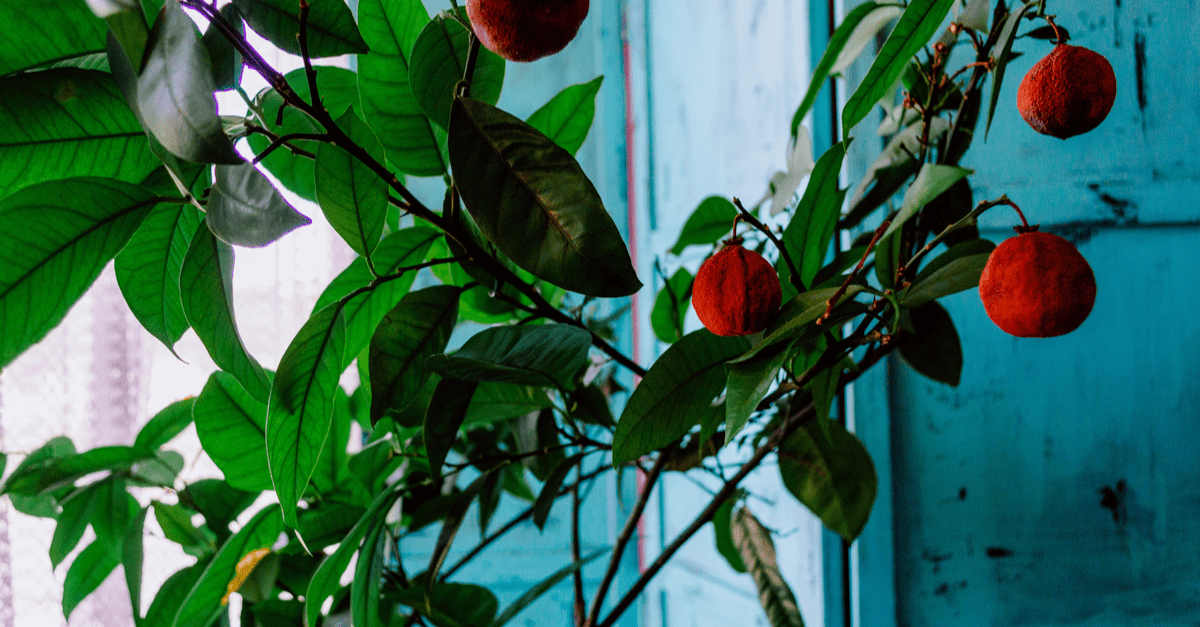
Your African Cherry Orange Tree will reach maturity four to seven years from planting, and begin producing fruit. In order to harvest your own oranges, you'll need:
A sharp knife A bucket or box for storing the fruit A tool for cutting open the stem
To harvest your fruit:
After a heavy rain or during the rainy season is the best time to harvest your fruit, as the skin is softer during this time. Keep an eye out for buds that are about ready to open! Gently cut away the stem of each fully-ripe orange between the base and flower. Use a sharp knife to carefully pry open each bud—be careful not to damage any seeds inside! Keep the picked fruit in a bucket to prevent it from getting bruised!
What does African Cherry Orange Taste Like
The flesh of the African cherry orange is juicy and sweet, but not as sweet as a common navel orange. The skin tends to be tougher than other citrus fruits because it isn't eaten after picking. This vegetable contains vitamins A, B1, B2, C, D, E, and K; fiber; calcium; iron; potassium; magnesium; niacin; and even protein.
How to Store African Cherry Orange
Store the African cherry orange in the refrigerator to keep it fresh for up to a week. You can also seal your freshly-picked produce in plastic bags, and store them in storage areas with temperatures between 68 and 77 degrees Fahrenheit. This fruit is best eaten fresh, as it begins to lose its sweetness after sitting around on the counter for too long.
What is African Cherry Orange Used For
The African cherry orange is mainly used for its juice, which is sweet and refreshing. The fruit also makes a flavorful snack! Many African regions use this fruit to make marmalade, jam, or jelly; it can be boiled either alone or in combination with other fruits such as coconut. These processed goods are often served as desserts.
What are the Health Benefits of African Cherry Oranges
The African cherry orange is a good source of Vitamin C, which helps promote healthy bones and teeth by strengthening the body's connective tissue. The fruit also contains Vitamins A and E, antioxidants that may protect against certain age-related diseases like Alzheimer's. This fruit is low in calories (about 50 per orange), making it an excellent choice for those attempting to lose weight. The fiber in the fruit promotes digestive health and may reduce your risk of heart disease and Type II diabetes by preventing blood sugar levels from rising quickly after eating.
What are the Side Effects?
The African cherry orange is used in many traditional remedies throughout its native regions, including a nappy rash cream made from pulp, juice, and leaves. It also contains small amounts of oxalic acid, a chemical that can decrease calcium absorption and lead to kidney stones if consumed in excess. The fruit should be avoided by people with kidney or gallbladder disease, gout, or rheumatoid arthritis as well as those allergic to any citrus fruits. People with diabetes, those taking certain medications for blood pressure or heart disease, and women who are pregnant should consult their doctors before consuming this fruit.
Is it Good for the Skin?
The pulp of the African cherry orange contains antioxidants such as vitamin C that may reduce signs of aging on the skin due to its ability to protect connective tissue. Vitamin C may also boost collagen production, causing the skin to appear more youthful.
In conclusion, the African Cherry Orange is a great fruit to add to your backyard. It's easy enough for beginners and provides many benefits! We've covered how to plant, grow, and harvest your tree as well as some of its health benefits. Do you have any tips on growing or harvesting this amazing fruit? Share them in the comments below so that other readers can get help from people who know firsthand what it takes to raise an African cherry orange tree!