
Asian Pears are an excellent addition to any garden. They grow well in zones 5-10 and are a very hardy fruit tree that is resistant to pests and diseases. This makes it a great option for those with limited space or time to maintain their garden because they can be left alone without worry of them succumbing to disease. Their small size also makes them perfect for city gardens where space is at a premium, as they don't take up much room but still produce delicious fruits!
How to Plant an Asian Pear Tree
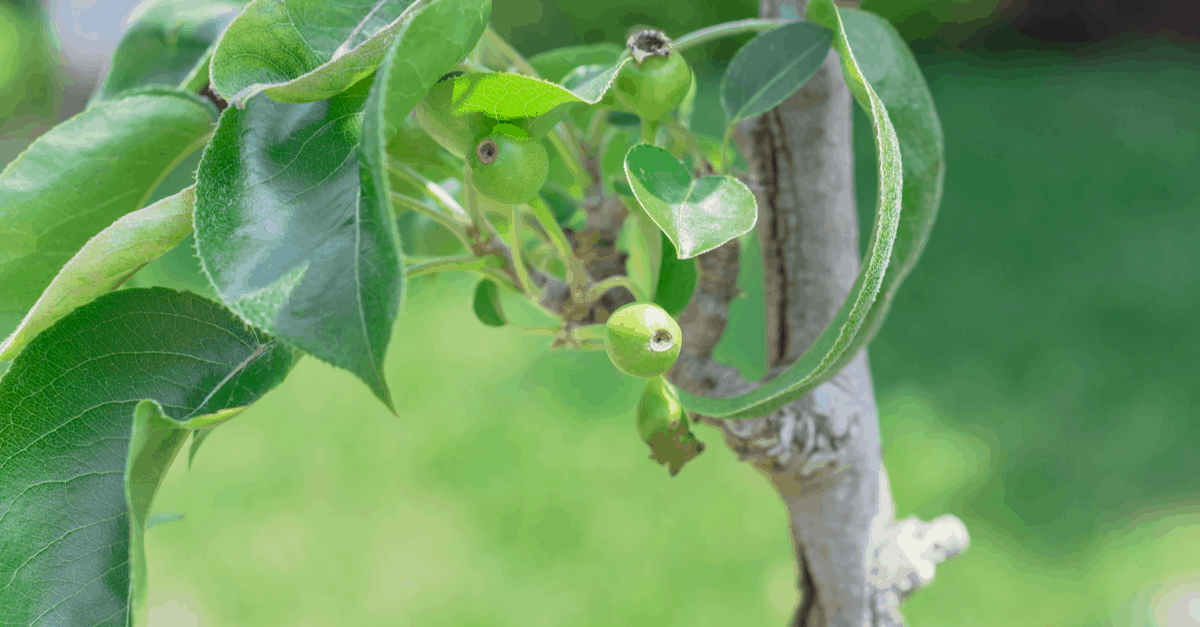
There are a few steps to take before you can plant your tree:
1. Choose a sunny location with well-drained soil and make sure the soil is not too heavy or tight. Loosen the soil by breaking it up with a shovel or hoe, and work in plenty of compost or manure to enrich it. Mixing in chopped leaves helps retain moisture and improves the soil's ability to hold air, which makes for better aeration and drainage.
2. Dig out a hole that is at least two times the width of the pot that was growing your plant in--Asian pears really need room to grow! Fill the hole with some compost mixed with half sand and half peat moss (or purchase some pear tree planting mix) and add a layer of bagged topsoil mixed with compost.
3. Plant your tree in the hole at the same depth it was planted previously, filling around its roots with the bottom layer of soil (the one that contained sand) and adding backfill around the edges until it is level with the ground's surface.
4. Water your tree thoroughly and then mulch around the base with chopped leaves, straw or wood chips to a depth of about two inches. Moisten this layer before covering it (the fruit trees can get sunburned if they are in direct sunlight) and be sure to keep the area watered until you see new growth, which will indicate that your tree is ready to start bearing fruit.
How to Grow an Asian Pear Tree
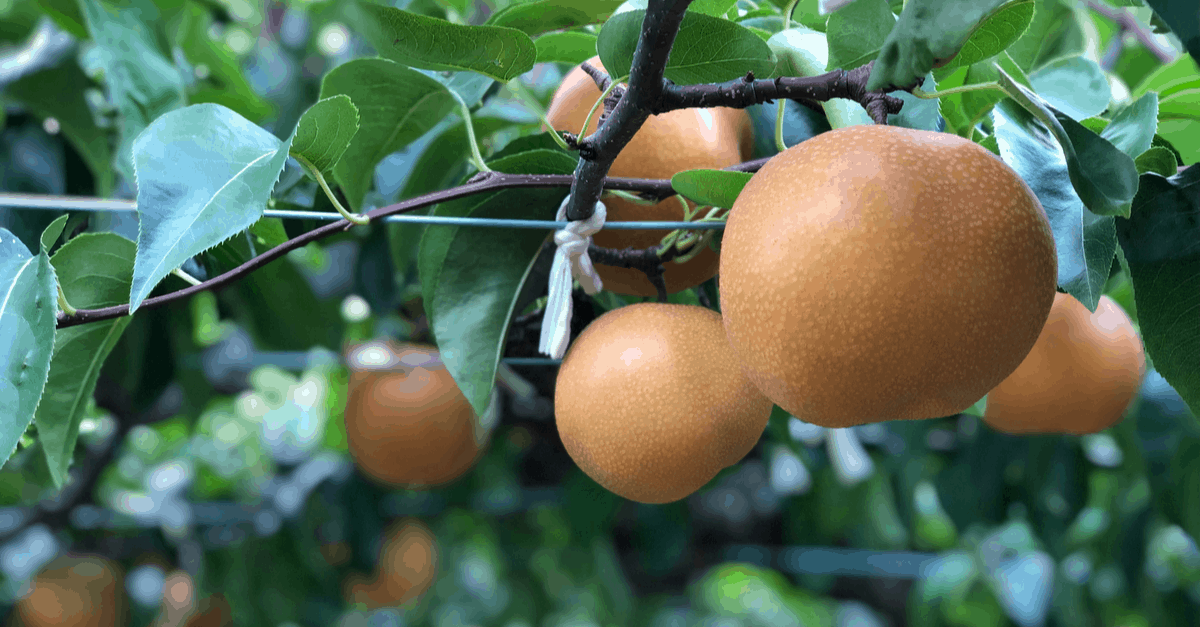
Asian Pears are popular in gardens for their attractive foliage, tolerance of many soil types, and terrific flavor. With a little care, this fruit can be grown as an excellent backyard tree.
Choose a spot that gets plenty of sunlight and has room for an 18-foot tall tree to grow to maturity. You will also need a sunny location with some space for the roots to spread out. Soil with good drainage is best and adding compost before planting will aid in root development. Asian pears prefer soil that is slightly alkaline.
Asian Pear trees need an additional source of water during dry spells so you can mulch around the base and keep that area moist or provide it with a drip irrigation system if possible .
This fruit is self-pollinating and has different varieties that require the use of a pollinizer. Asian pears are susceptible to fire blight, which can be avoided by planting resistant cultivars, keeping trees pruned and inspected for signs of infestation all year long. This will help to prevent the spread of this disease by cross-pollination.
How to Harvest an Asian Pear Tree
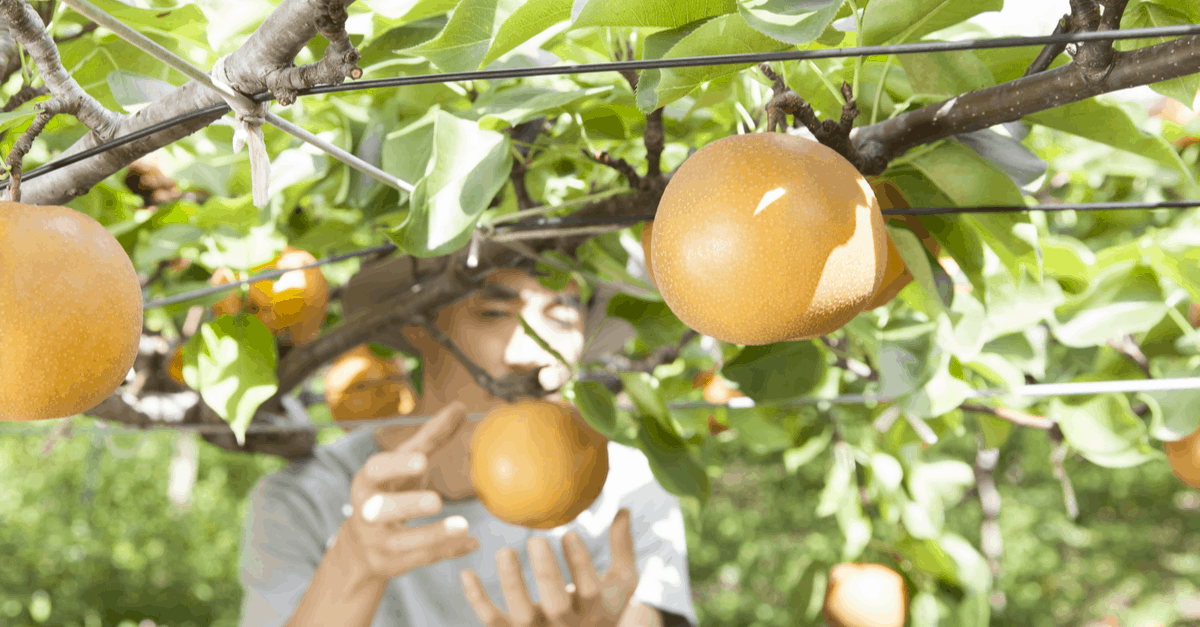
You can expect to harvest your tree when it is three years old, but you can start harvesting from year two onwards. Fruits will be produced on the tips of branches, so when harvesting, avoid any vigorous growth.
When the fruits are mature, you should remove that fruit cluster by tying it to a string and hanging it until crisp. You can also place them in a brown paper bag and let them dry out naturally.
An Asian Pear tree can produce up to 20 pounds of fruit annually during its prime growing years! Their season is long--typically lasting from July to September, with the majority of fruits ripening during August.
What do Asian Pears Taste Like
Asian pears are sweet and juicy. They have a lower acid content than other types of pears and they often have a hint of an "Asian" flavor to them--a little more tart and tangy.
How to Store Asian Pears
Asian pears are very sensitive to ethylene, which causes them to ripen quickly. You can keep your Asian pears fresh longer by placing them in the fridge or freezer if you don't plan on eating them for a while. They also freeze well if you are in an area where they grow.
What Are Asian Pears Used For
Asian pears are used for every day cooking that does not require the fruit to be peeled. The taste which is sweet and a little bit tangy can be eaten raw or cooked with other food and spices. It is also a good source of fiber, vitamins, and minerals like potassium that are needed by your body.
What are the Health Benefits of Asian Pears
Asian Pears are a good source of potassium, fiber, and vitamins. This fruit is sweet and juicy with a low acid content that makes it perfect for eating raw or cooked. It also includes some "Asian" flavor to it that's not so common in other types of pears. Asian pears should be eaten when they are ripe (not overripe) and after you cut the fruit off, store it in the fridge or freezer to keep it fresh for longer periods of time.
Asian pears are a great addition to any garden. They have excellent taste and they are easy to grow in soil that has good drainage. They require the use of a pollinizer and they are sensitive to ethylene, but if you store them in the fridge or freezer, they'll last a lot longer. The health benefits of this fruit include high potassium content, low acidity, and the flavor is sweet with hints of a "Asian" flavor.