
Belgian endive is a winter vegetable that requires very little maintenance. It can be grown in the ground or in containers and thrives when it gets some sun, but isn't too hot. This delicate looking plant actually has a really strong flavor that pairs well with more robust vegetables like carrots, celery, and lettuce. Belgian endive is great for salads because of its crunchy texture which helps to balance out soft ingredients like avocado or tomatoes. For this reason alone you should consider growing your own Belgian Endive!
How to Plant Belgian Endive
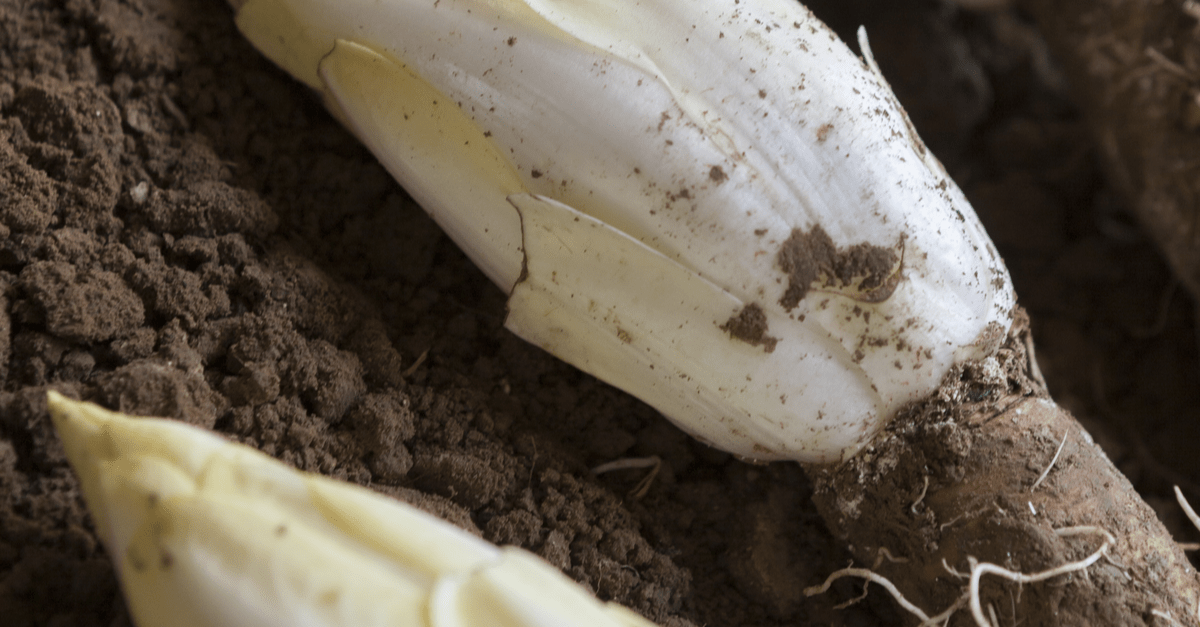
Belgian endive needs to be planted from seedlings or starts. The spacing should be set at about 12 inches apart for maximum air circulation and full sunlight. They need regular watering and may need to be fed with an organic fertilizer twice a month.
The hardest part about growing Belgian endive is that it takes a couple months for the plant's leaves to form and be ready for harvesting. During this period, you need to give the plants consistent care without over watering them or not enough.
How to Grow Belgian Endive
Belgian endive, like all vegetables, has a variety of different needs that need to be met to yield maximum results. Some of these needs include proper soil, water, and temperature. In order to ensure success while growing Belgian endive, keep these few factors in mind.
It is important for the Belgian Endive to have good drainage and a fertile soil which can be amended by adding compost or potting soil on top of perlite or sand. It can also thrive in container gardens with air circulation and full sun but require more frequent watering than plants grown in the ground.
The final step is waiting for your leaves to form at which point you may harvest your plant leaves and eat them raw or sautéed.
How to Harvest Belgian Endive

Belgian endive should be harvested when the leaves are fully grown. The plant does not have a long harvest period so it is best to wait until the first leaves form before harvesting in order to get the most out of your plants. To harvest, you'll need to cut off the outer leaves with a sharp knife, taking care not to damage the inner ones which can still grow.
The leaves can be used in a variety of different dishes. You may choose to use them raw, cooked, or sautéed. They are especially tasty when paired with dressings like blue cheese and balsamic vinegar because it balances the strong flavor that Belgian endive has.
What does Belgian Endive Taste Like
Belgian Endive may have a delicate look to it but it has a really strong flavor that pairs well with more robust vegetables like carrots, celery, and lettuce. Belgian Endive is great for salads because of its crunchy texture which helps to balance out soft ingredients like avocado or tomatoes. For this reason alone you should consider growing your own Belgian Endive!
How to Store Belgian Endive
Belgian endive should be stored in a cellar, cold room, or fridge. Belgian endive can also be wrapped in paper towels and placed inside a plastic bag before storing in the fridge. There is no need to wash the leaves until you are ready to eat them.
The outer leaves can be removed if they appear brown, withered, or too strong in flavor. The inner leaves will remain fresh for a longer period of time. Stored properly Belgian endive can last 3 weeks.
What is Belgian Endive Used For
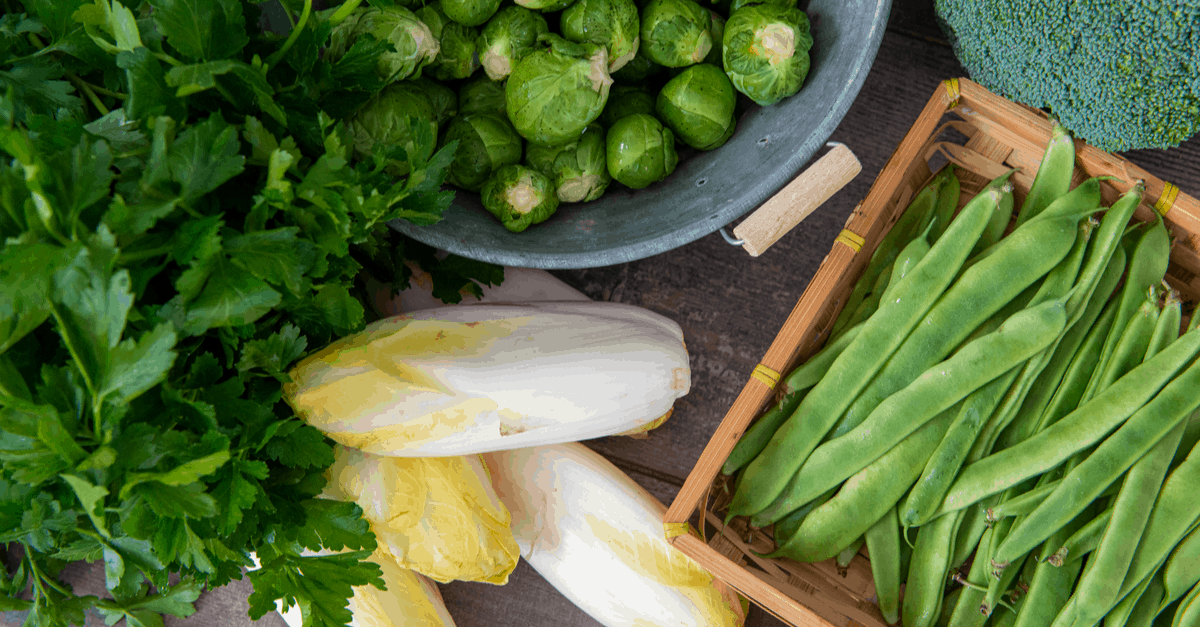
Belgian endive is most often used in salads. It can also be used in braised dishes or aioli. Crunchy and bitter, it is a great addition to any meal.
Belgian endive can also be used as a sandwich ingredient or in a cooked dish with other strong flavors like blue cheese. The leaves will taste stronger if you boil them first before cooking so that you may remove the outer leaves completely.
What are the Health Benefits of Belgian Endive
Belgian endive is an excellent source of calcium, iron, magnesium, potassium, and vitamins A and C. Belgian endive is also low in calories and is a low-fat food rich in fiber. The leaves have the ability to lower cholesterol and prevent cardiovascular diseases which makes it a healthy addition to any diet.
Belgian Endive is a delicious salad green that can be grown year-round in most climates. Belgian endive has the ability to lower cholesterol and prevent cardiovascular diseases. It is also low in calories and fat and rich in nutrients. You can successfully grow Belgian Endive in containers or on your own lot as long as good drainage, fertile soil, and proper water are provided.