
I didn’t really bother about removing ice from my steps during the cold winter months.
This is because it doesn’t really snow much here in Tyler, Texas. But one such winter, I realized that icy steps could potentially be a hazard, which nobody should ignore.
I know this first hand after seeing my friend, Alice, who suffered a terrible back injury caused by slippage. She was in pain for months. Not being able to stand straight, she had been advised bed rest for almost the entire period.
That’s when it dawned upon me - “prevention is better than cure.” Without wasting any time, I decided to tackle the ice on my steps. Truth be told, it wasn’t an easy task since I didn’t really know much about it. However, giving up wasn’t a choice, so I started researching more about ice-proofing wooden steps.
From whatever experience I’ve gained from the incident, I’d advise you against procrastination. You should know how to keep wooden steps ice free to prevent risks of accidents and injuries.
Hi, I’m Stacy Smith! And today, I’m here with some of the easiest ways to eliminate icy wooden steps. So, without further ado, let’s dive right in.
Ice-Proofing Wooden Steps
Removing thick layers of snow, ice, sleet, or hail from your stairs may seem unnecessary, especially if you don’t plan to step out of your home. As a result, you begin procrastinating - lethargy kicks in while you keep postponing the task to a later date. Yes, I’m talking about the “next day” that never seems to come.
But did you ever think what would happen if you or anyone of your family were in a rush to go out? Allowing snow to build-up on your pavement or steps can potentially lead to severe hazards.
So, it’s time you looked into a few of my tips and techniques to ice-proof wooden steps. These are some of the easiest measures to help remove ice and snow, which have provided positive results after testing.
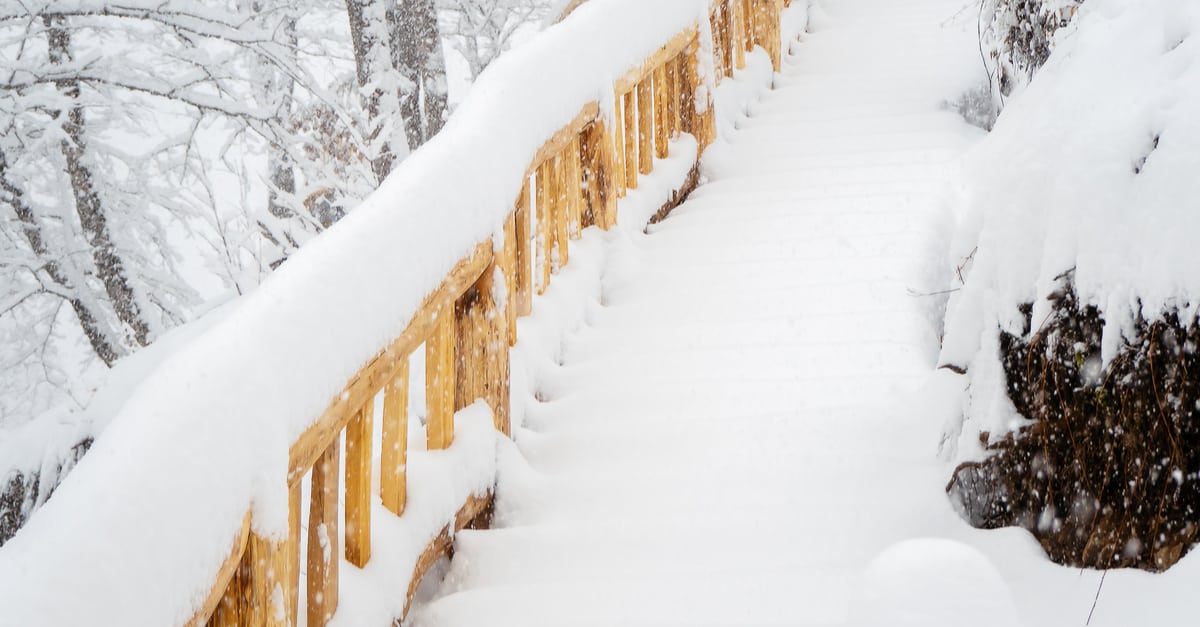
1. Using Rock Salt
I know for a fact that standing on your steps all day long to remove ice isn’t a feasible option. To overcome this problem, it’s better you eliminate the chances of ice formation itself by taking the necessary measures.
My personal favorite is sprinkling rock salt all over the area. Believe it or not, it’s one of the most inexpensive and convenient techniques of thawing ice and preventing further build-up. Just make sure you use a shovel to remove the excess snow before sprinkling.
Rock salt undoubtedly acts faster compared to table salt. However, you can also use Epsom salt for the purpose.
2. Avoid Using Hot Water
It’s a common misconception that hot water helps in melting ice in cold climates. This was something even I believed, only to realize later that it does the complete opposite, leading to more problems.
Hot water tends to freeze faster than cold water. So, even if it clears or melts the ice for a moment, you’ll end up with a thin layer of hot water, which eventually forms ice that’s more slippery.
The best way to avoid having an ambulance at your doorstep is to keep a shovel and broom at hand to remove the hot water so that the ice doesn’t form. Also, maintain your wooden steps regularly to help keep the accumulation of ice at bay.
3. Snow Melting Mats
To be honest, shoveling snow and dealing with ice regularly is easier said than done. This is why I recommend investing in snow melting mats for your walkway and steps. It may be on the higher end of your budget, but trust me, it’s worth it, provided it’s tacked down.
4. Sand or Kitty Litter
Don’t have any salt or a snow melting mat at hand? That’s fine. You can opt for other methods, such as sprinkling sand on your wooden steps to increase traction.
This technique may not prevent ice formation, but it helps in reducing the risks of accidents caused due to slippage. Kitty litter can also be used to provide traction while it absorbs some of the moisture.
5. Cover The Steps With A Towel
I didn’t really think this technique would work, but surprisingly it did. All you need to do is grab two or more of the biggest towels you own and lay them down on your staircase. Once adjusted according to the number of steps, pour hot water over them to freeze them in place.
This will allow the towels to stick to the ice, preventing the risk of sliding and slipping. You may leave them on your wooden steps throughout winter without worrying about compromising your safety.
However, I’d suggest opting for this technique in regions where it doesn’t snow much, like here in Tyler, Texas. Otherwise, you’ll have to keep tossing more towels on top to avoid further icing.
Summing It Up
Keeping your steps ice-free during winter is not only critical for the safety of you and your family, but it also keeps guests and visitors away from risks. This is why it’s time you stopped putting the task away for later to avoid major mishaps.
Shovels and rock salt can do wonders when it comes to ice-proofing your wooden steps. But there are also a few other DIY techniques that you can try out.
The tips I’ve provided in this guide are both effective and convenient, so you won’t be facing any kind of issue. Just make sure you check and maintain your steps regularly to prevent further ice and snow build-up.
On that note, I now come to the end of this informative guide. Here’s hoping you were able to find all the required insight on the topic.
With this, I will take your leave. Till next time, stay safe!