
Early spring is the perfect time to get your vegetable geared up and revving – it’s not too warm yet, which means less pests to bother your vegetables and while not all vegetables work with well with damp soil during this time of year, there are several delicious options that can thrive and have you putting together some amazing homegrown, homemade recipes your whole family can enjoy. Below, we list 10 early spring vegetables for you to get your garden back up and thriving!
Lettuce
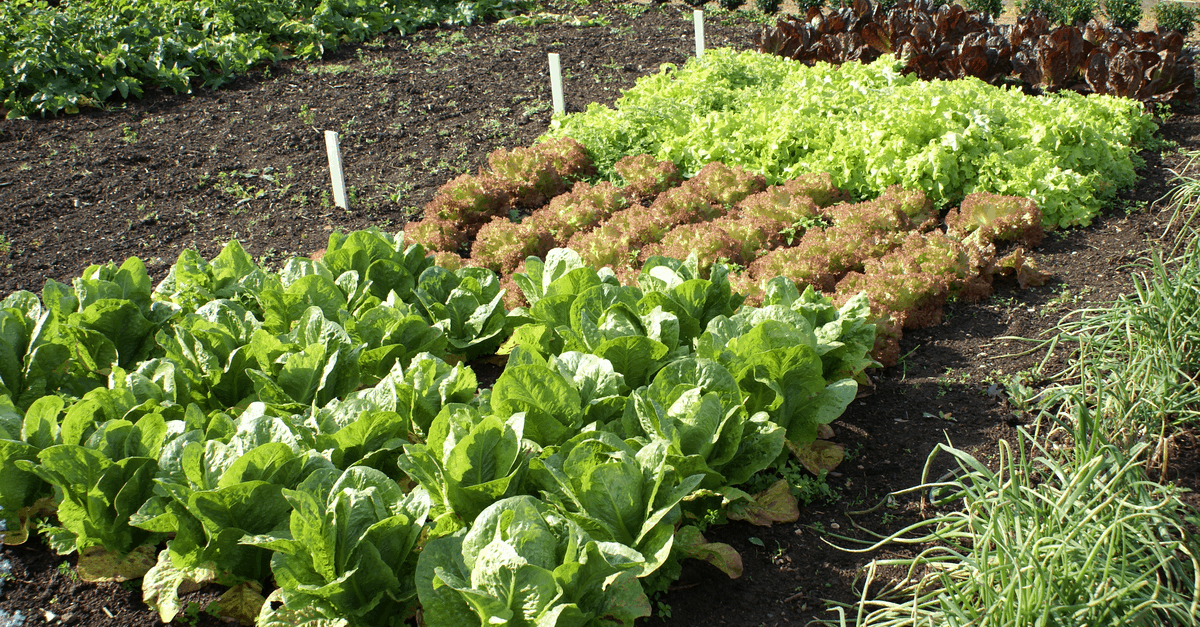
This time of year, with its cool air and rainy days is the ideal time for lettuce to grow. You can enjoy a variety of different lettuce options, though you’ll notice butterhead lettuce and romaine lettuce are the types best able to tolerate early spring weather. With these two varieties, you’ll be able to enjoy the earliest planting and longest harvest time. Once heat sets in and drier days become more common, these lettuce types are likely to bolt, which will leave you with bitter, inedible leaves. However, you should still have some success for a couple more succession plantings, so long as you plant them bi-weekly.
Carrots

Carrots are a root vegetable that take their time to grow completely, which makes early spring wonderful for planting. Start early and allow them their 75-day growth time so you can enjoy them just before summer starts. Whether you want to incorporate them into salads raw, cook them into soups, or juice them for a cool summer drink, carrots are exceptionally versatile and offer you plenty of options in the kitchen. Once they’re ready, be sure to loosen the soil around them before gently pulling them out of the ground.
Potatoes
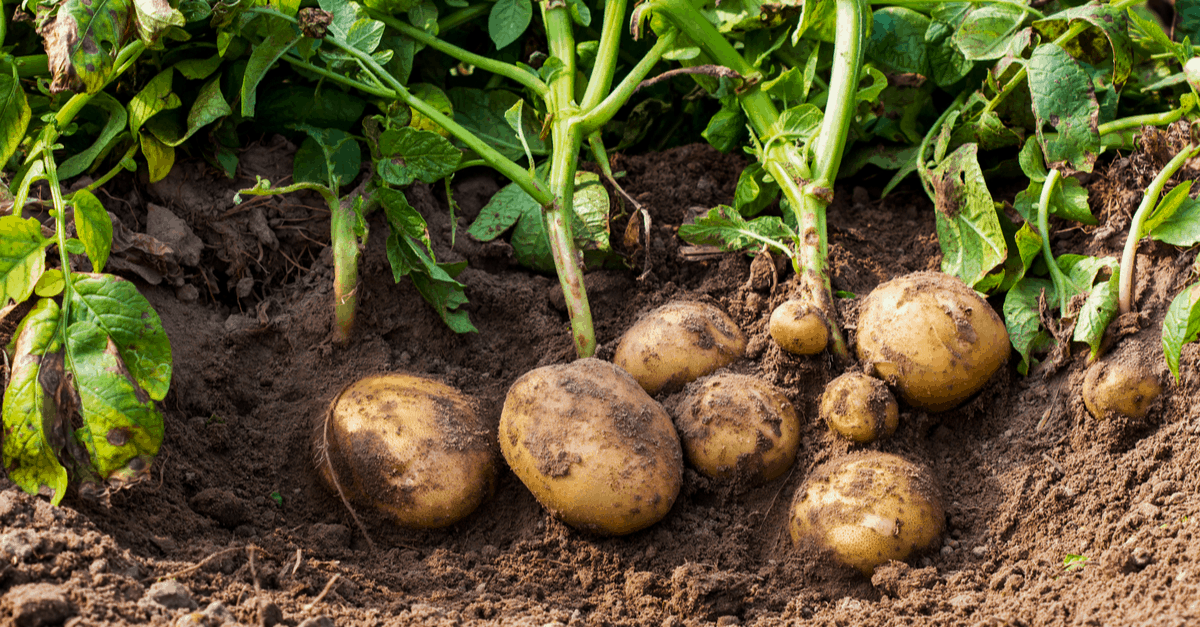
Potatoes are easy to plant in early spring – all you need is a full-grown potato (or more, depending on how many potatoes you’d like to harvest) from your pantry. Just cut one potato up into four pieces, being sure each of the pieces has two eyes. Then go right on out to your garden and plant them in the ground. With each quartered piece, you get a new potato. You have two choices when harvesting your potatoes, depending on if you prefer new potatoes or more mature potatoes. For the former, you can harvest at about 2.5 weeks. For the latter, you’ll want to wait about 2.5 weeks after the foliage is dead and gone.
Spinach
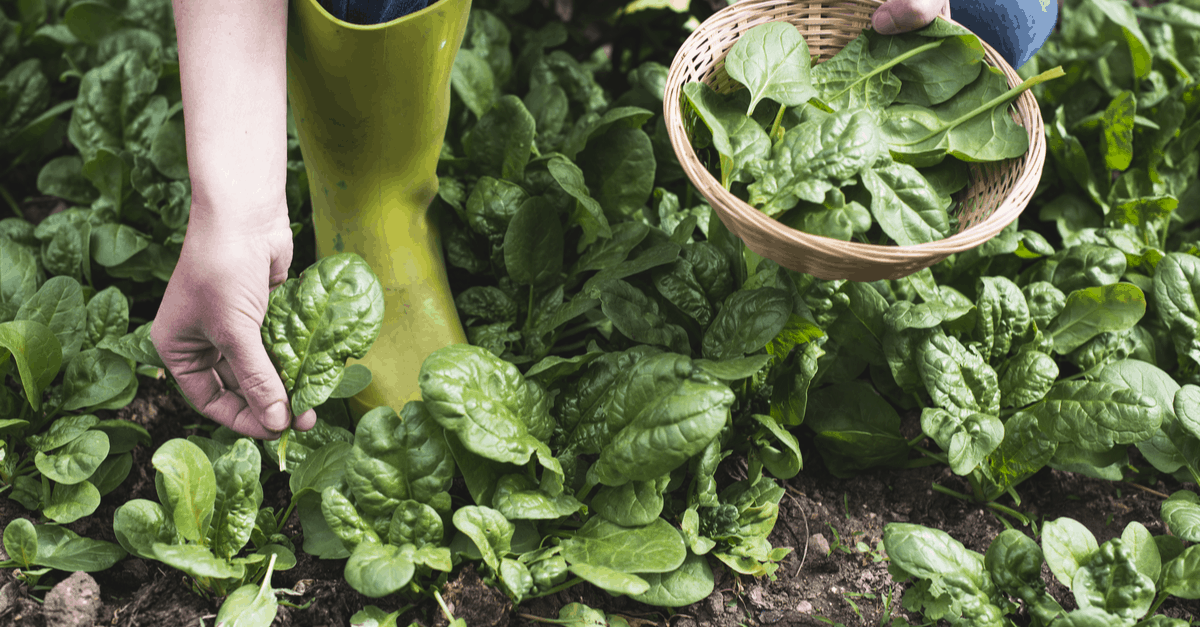
Without cold weather, spinach just doesn’t make it. It bolts to seed rather quickly and while some varieties are supposed to be resistant to bolting, they really just buy you a little more time before going to seed. This is a great vegetable because its growth rate is extremely fast, which means you can be enjoying fresh salads quickly after planting. If you’d like to extend the harvest, all you need to do is plant some new spinach right into the same soil every one or two weeks. This vegetable loves water so be sure to water it generously.
Broccoli
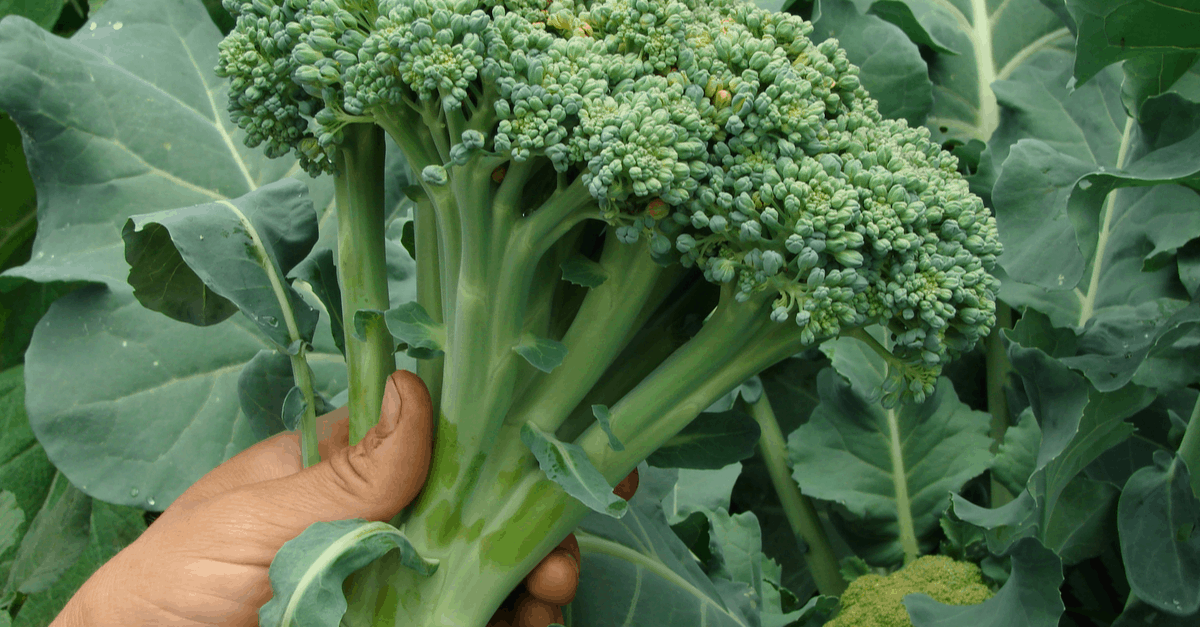
Broccoli takes its time and is known as a cool-season crop, which is why getting it planted early is helpful. Expect broccoli to take anywhere between 100 to 150 days to harvest. You can sow seeds outdoors two to three weeks before the last frost. Though seeds can start germinating in soil temperatures that dip down to 40 degrees Fahrenheit, warmer soil is known to really speed up the process. Be sure to plant where they can get direct sunlight for about six to eight hours every day to get thick legs and a full head.
Asparagus
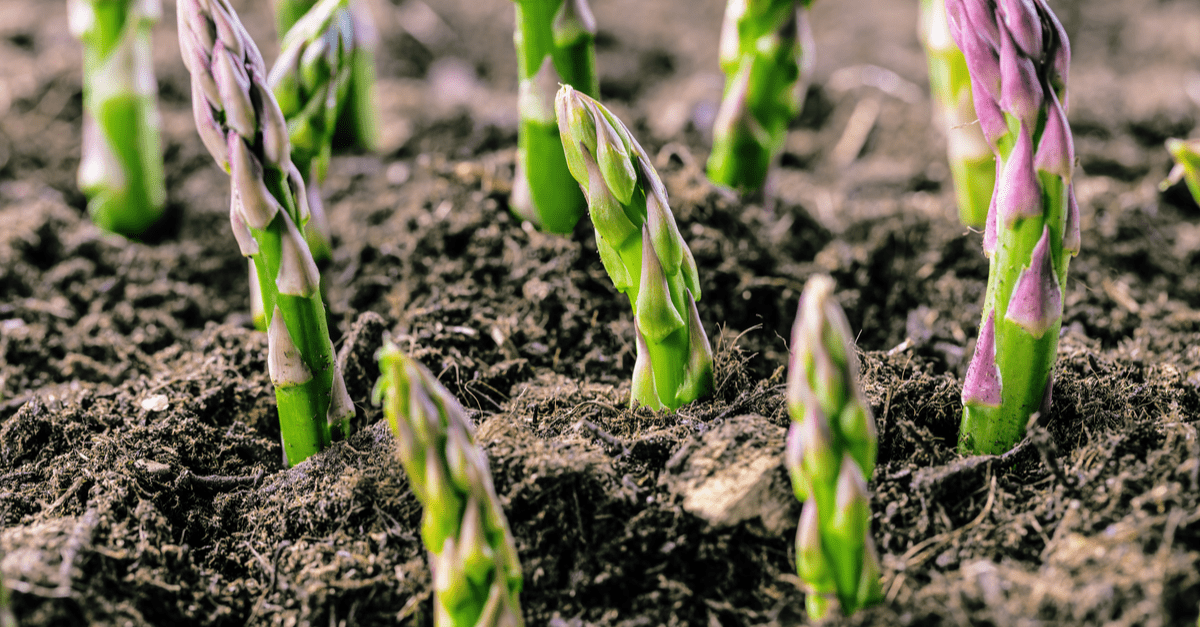
Asparagus is great because you only need to plant it once and can enjoy its harvest for years into the future. So long as you have enough space and you love your asparagus, this is a great vegetable to add to your garden. Grilled on the side of salmon or in a salad packed with other vegetables, asparagus is a vegetable that keeps on giving. Use old crowns for planting for quicker results. You can start this process four to six weeks before your last expected frost.
Beets
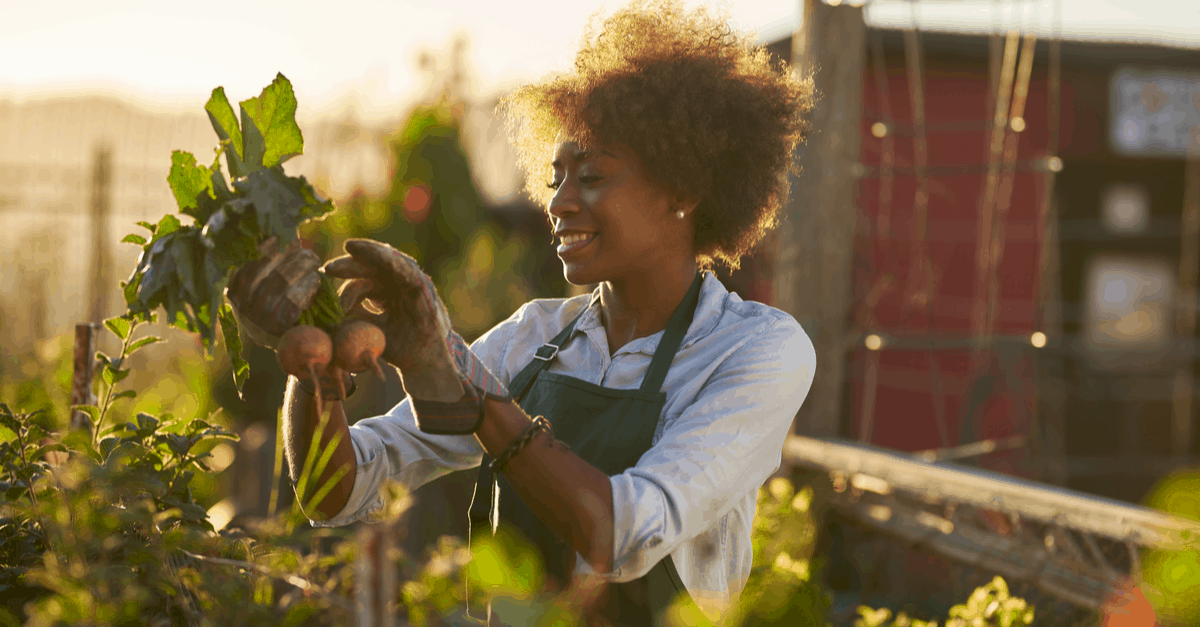
Beets are a resilient vegetable that can withstand temperatures as low as 30 degrees Fahrenheit, so you can start in early spring, even before the last frost. That’s ideal timing too, because they take anywhere between seven to 10 weeks to completely mature. Beets do require a lot of sunlight and need to be well-covered in damp soil for their roots to continue their growth. With beets, you’ll want to keep them spread apart, as overcrowding them will hinder the air circulation they need to grow properly.
Cauliflower

Cauliflower has a sweet spot for planting, and it falls just between two to four weeks before the last frost. Be sure to give them enough room to develop by planting them on average about 20 inches apart from one another. If you need to protect them from frost, cover them up with an old plastic bottle, like a milk jug to keep them protected through the cold. To conserve moisture, you can add mulch to your garden as well.
Turnips
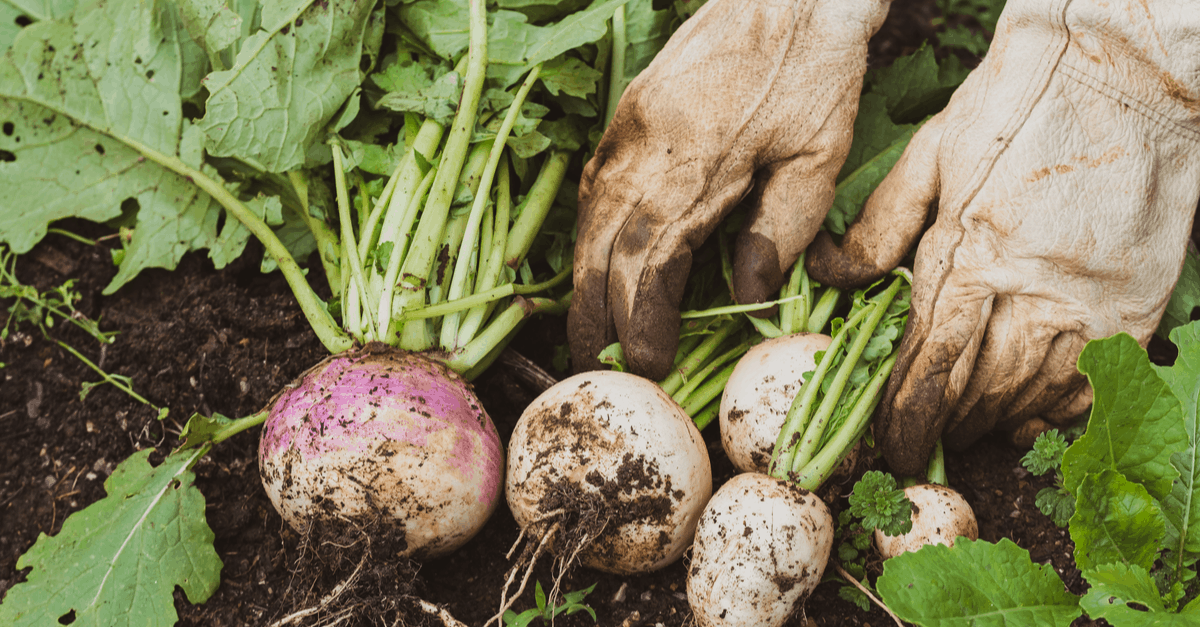
Turnips are a great vegetable that can be ready to harvest anywhere between a month to two months. These are a popular substitute for potatoes, if you’re trying to limit your carb intake. When their roots grow between two and three inches in diameter, that means they’re ready and you can easily, but gently, pull them out of the ground and bring them into your kitchen for washing, cooking, and consuming!
No products found.
If you’ve been feeling ready to get out there and start your gardening and are just about done with winter, it’s the perfect time to plant the veggies we listed above. Not only do these vegetables help you get out back into the garden to work out your green thumb, they’re also flavorful additions to many dishes you can enjoy at home.