
Saving energy today is very important, both for the environment and your wallet. If you're like me and always trying to boost productivity or save money in some way, here are a few simple changes you can make to help decrease energy usage across the board.
Install a programmable thermostat to keep your home at the perfect temperature
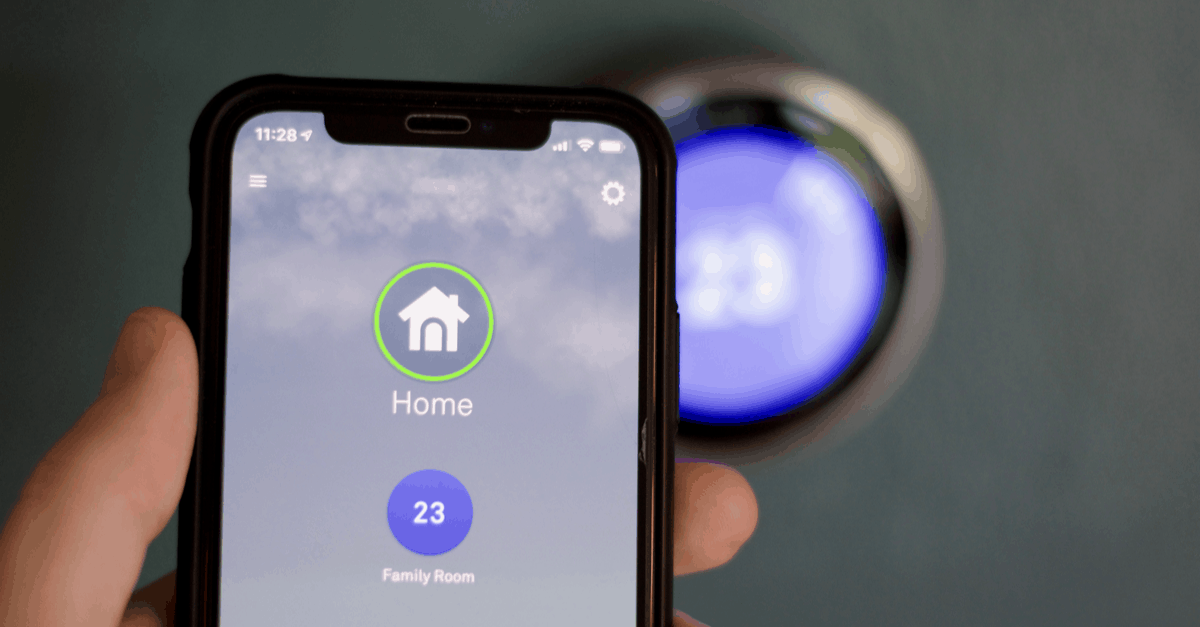
If you want to save energy, then a programmable thermostat is one of the first things you should get. These wireless devices allow you to fine-tune your settings so that you can keep your home's temperature just right without having to manually adjust it every few days. A good programmable thermostat can pay for itself by lowering your overall energy usage, as well as making your home more comfortable by automatically adjusting for the weather.
Use fans instead of air conditioning

By installing ceiling fans throughout your home, you will find that you use your air conditioner much less than before. This is because ceiling fans work by circulating air in a room and either cooling it down or helping to make you feel more comfortable. Ceiling fans are pretty affordable and can make a big difference in keeping the air moving throughout your home, which is highly effective in helping to cool things down on hot days.
Get solar screens for your windows
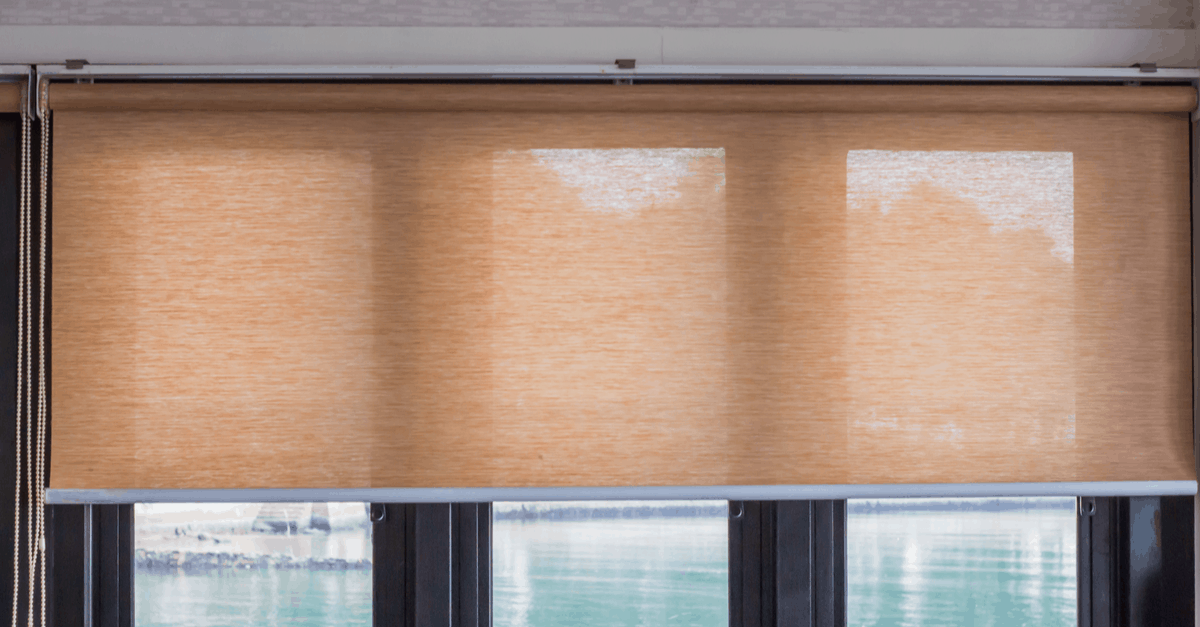
If you want to get even more bang for your buck, then consider installing some solar screens on your windows. These simple yet effective additions help to keep your home cooler during the summer and warmer in the winter, all while providing you with a welcome measure of privacy. Solar screens are made from either flexible or rigid material, which can be installed on any type of window for about $50 per screen.
Choose energy-efficient appliances
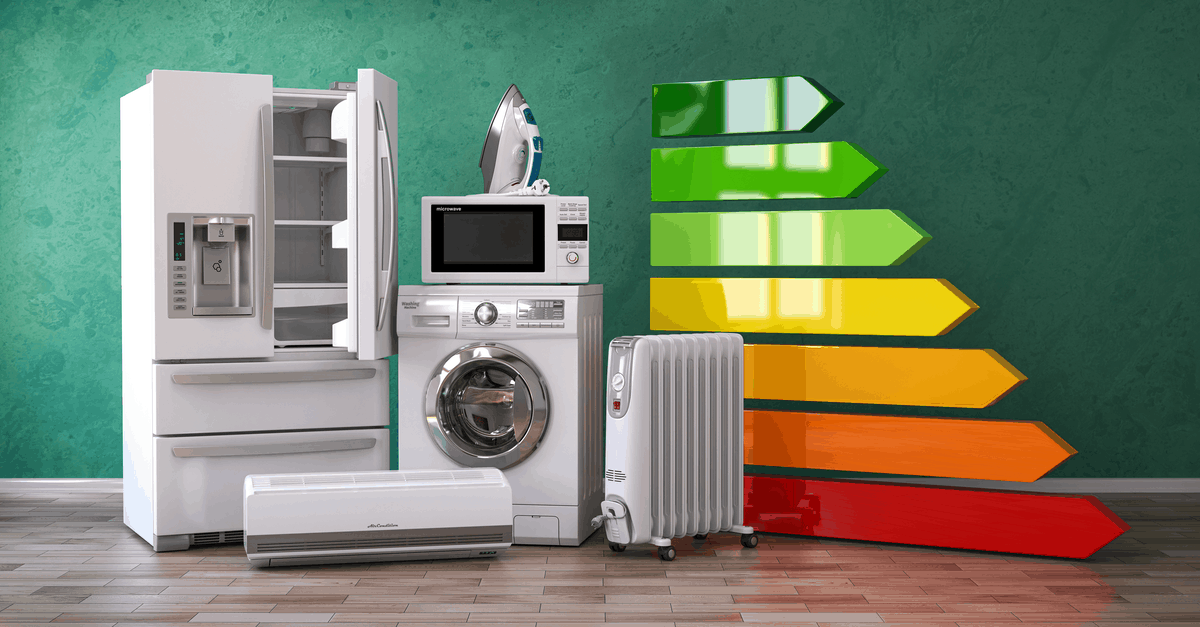
When shopping for appliances, be sure to choose energy-efficient models. This way you'll start saving from day one and won't have to spend money on higher bills or expensive repairs down the line. Appliances with the Energy Star label are usually a good bet, as they have been tested thoroughly and are deemed to perform well in terms of both their energy savings.
Install LED Lights to save energy
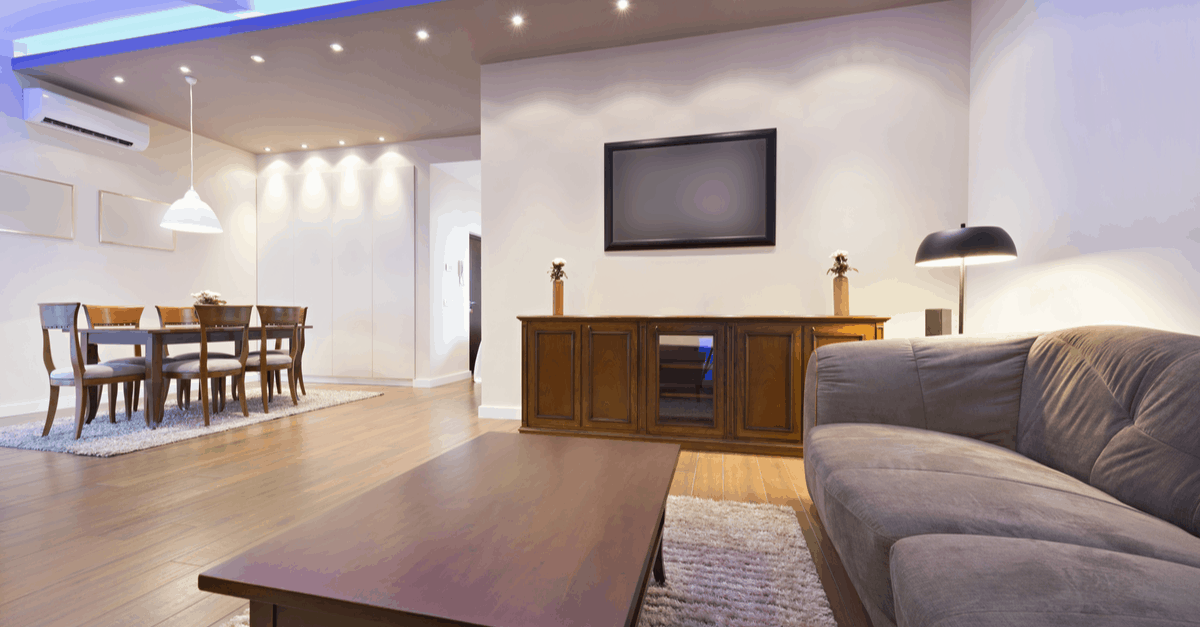
LED lights are small, energy-efficient light bulbs that last a long time and use almost no electricity. LED is short for "light-emitting diode", which means they produce light by passing electrons through a semiconductor material. Unlike other light fixtures, LEDs don't get hot to touch, so they're great if you have kids or pets in the house. They're also good for the environment and are more durable than other types of lights.
Use power strips with on/off switches to turn off electronics
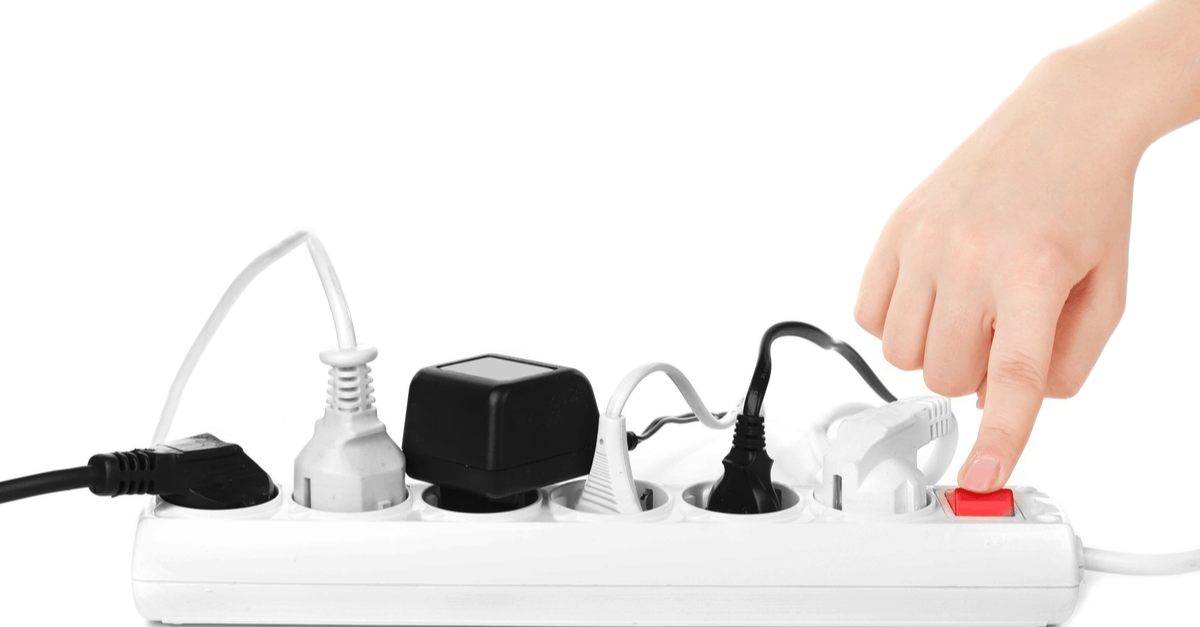
For those of us who can't resist the temptation to leave our computers running, even when we aren't using them, installing a power strip with an on/off switch is a must. These devices are able to "turn off" all the electronics plugged into a single outlet, which helps you lower your overall electricity usage while also keeping your stuff safe from electrical surges and brownouts.
Use weather-resistant landscaping

It's not only the inside of your home that can use some extra TLC when it comes to energy efficiency. A major way you can cut back on your home's overall energy usage is to make sure the landscaping is dense and full. Thick bushes, trees, and hedges will help block out the sun during summer while allowing it in during winter (depending on where you live). The more coverings you have around your home, the less air conditioning you'll need to run.
Replace your water heater's thermostat
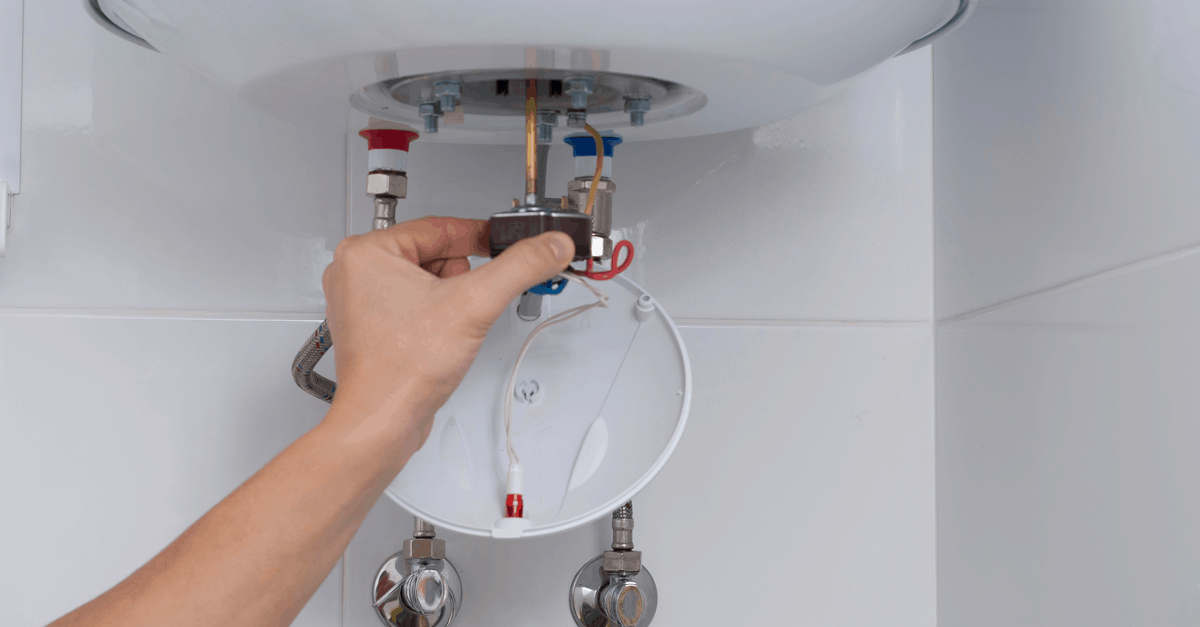
Old water heaters have a built-in thermostat that heats your hot water to roughly 120 degrees Fahrenheit, no matter the temperature outside or how many people are taking showers. To lower your home's overall energy usage, consider purchasing a new control thermostat to reduce the temperature of your water heater from 120 degrees to just 110-115 degrees. This will not only make showering more comfortable, but it'll also save you money over time.
Cover your hot water tank
If you leave your hot water on while you're gone during the day, then consider placing a bucket or small blanket over the tank to prevent it from losing heat. This is something that's mentioned in most energy-related books and articles as a way to save money on your hot water bill.
Use cold water for laundry
Many inexpensive washing machines come with an automatic feature that heats up the water before putting it through the wash cycle, but this is an energy waster. If you don't have a cold-water setting or want to save even more money, then consider letting your clothes soak in cold water for half an hour before you wash them. This will allow time for most of the dirt and grime to wash away on its own.
Use a reusable water bottle instead of buying bottled water

There are more than 170,000 plastic bottles per minute being produced around the world. This leads to a lot of waste and pollution in addition to adding unnecessary costs. The great news is that you can avoid all this by investing in a reusable bottle that you can fill with water or other drinks from home instead of buying expensive bottled beverages.
Install Solar Panels

Solar panels convert sunlight into energy, and they can be used to power your home. They use no fossil fuels and are very cost-effective compared to traditional forms of energy production.
Use a clothesline instead of a dryer
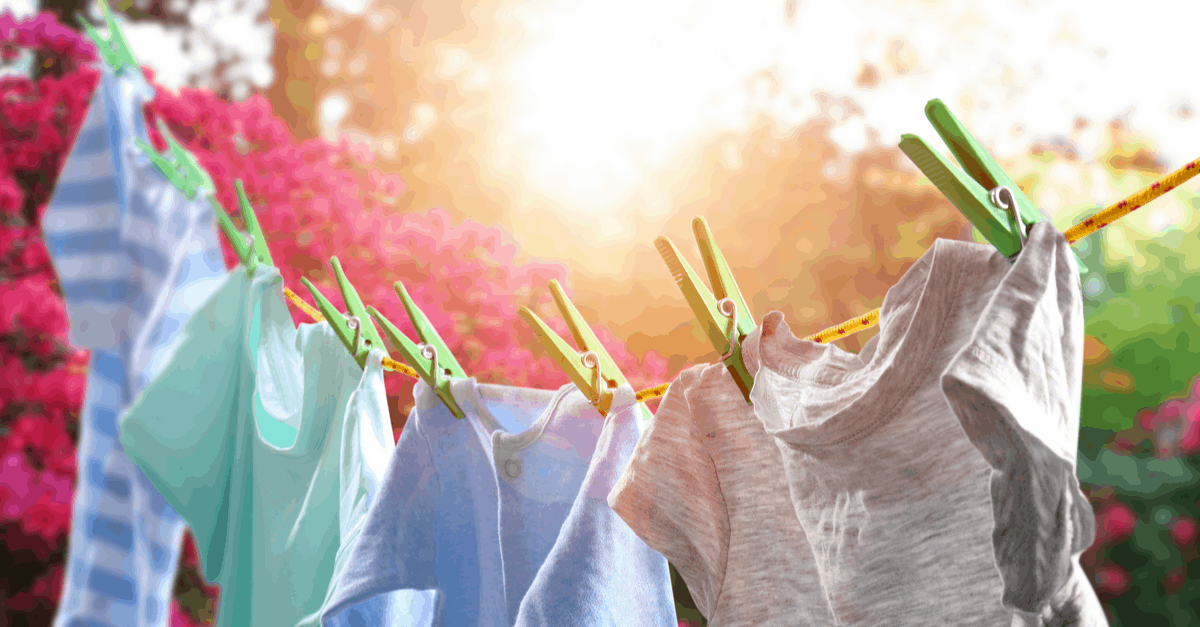
Clotheslines aren't just for Grandma's anymore. With the money you save on your electric bill, you can purchase your own clothesline and ditch the dryer altogether. This way, you'll be able to save money on electricity while getting a little bit of exercise each time you hang up your wet clothing.