
Installing a greenhouse is all fun and games until you realize the harmful fumes it releases into the environment.
As a nature-lover and gardening enthusiast, I strive to look for eco-friendly ways to enjoy my hobbies. So, no matter how convenient the greenhouse was, I had to find a way to reduce my carbon footprint, considering how the Earth is degrading day by day.
Thankfully, my quest to make my greenhouse ‘greener’ became easier with my trip to Florida. My husband and I met my friend, Peter, with whom I had bonded over a shared love for gardening. But the difference is, Peter specializes in maintaining his greenhouse and following eco-friendly practices while doing so.
There was no reason not to bombard Peter with all of my doubts and queries related to my greenhouse. That’s when I learned how to heat a greenhouse with solar panels. I couldn’t wait to get back and put Peter’s tips to practical use.
Hello, there! I’m Stacy Smith, your neighborhood plant mom, and I’m here to share my experience with a solar-powered greenhouse.
So, without further ado, let’s get started…
How To Heat A Greenhouse With Solar Panels
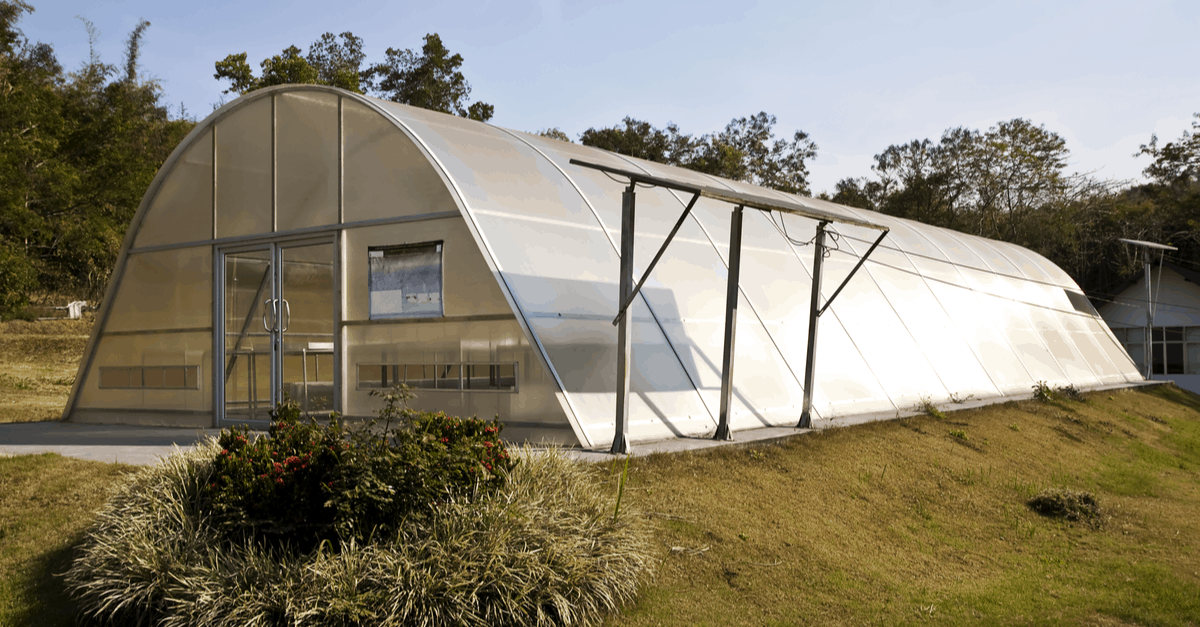
A greenhouse is a gardener’s best friend for keeping the plants under controlled, favorable conditions. But weather conditions change unexpectedly, and traditional greenhouses cannot keep up on such days. Thus, a solar greenhouse is a more reliable alternative that uses less energy and cuts down your overall maintenance cost.
Here’s what you need to do to install solar panels for your greenhouse.
1. Set Your Goals
Decide why you want to set up a greenhouse with solar panels. Is it so your plants can get continuous heat and light? Is it to decrease the emission of toxic greenhouse gases?
There is no right or wrong answer. But you must set goals that will help you make a suitable choice among various heating systems, battery back-ups, and more.
2. Type Of Heater
Needless to say, the ideal size of the heater depends on the size of your greenhouse. Since I’m still a beginner, my greenhouse is pretty small, and a 250-watt electrical heater is sufficient. From what I’ve gathered, this much wattage works for most sizes, depending on your power usage.
Further, solar heaters are of two types - 12 Volt DC Heating Units and 110 Volt AC Heaters. The former can be connected to the charge controller directly without requiring any additional tools. Otherwise, you could convert it into 110 volts A/C heater, which facilitates efficient operation of other 110 Volt devices in the greenhouse.
I have opted for the second option to use the energy for heating, lighting, cooling, and much more.
3. Choose A Suitable Site
My house already uses solar panels, so I knew about its benefits. Thus, choosing this source of energy for my greenhouse wasn’t a big deal. However, those who don’t have solar panels at home might want to consider some points I learned from Peter.
Firstly, if your goal is to reduce carbon emissions, it is best to install the heater in your house since it uses more energy. The roof of the house usually has more surface area to absorb sunlight so you will be making the most out of your investment. Solar panels aren’t cheap, after all.
Moreover, if your greenhouse is as small as mine, the heating system could block potential sunlight from reaching the plants.
4. Battery Backup And Power Demand
Your heating unit needs suitable battery backup to last long during unpredictable weather conditions. Usually, a 100 Ah lead-acid, 12-volt battery suffices my 250-watt heating unit. Its 1200 watt-hour capacity holds up for 4-5 hours. Of course, you can add more batteries and get more backup time. Also, these batteries can be charged using the solar panel.
Off-grid systems make another reliable and cost-efficient option for small greenhouse systems. But if your greenhouse is bigger, you can check out a grid-sized system.
Tips And Tricks For Building A Solar Greenhouse
No products found.
Although a pre-made solar greenhouse is a hassle-free option, with some tips and tricks and a helping hand, you can construct your own solar-powered greenhouse. But before getting started, here’s what you must keep in mind.
1. Glazing Material And Orientation
The glazing material you choose should strike the perfect balance between insulation and light transmittance. Even if you’re blessed with a green thumb, there are only so many times you can wing it with insufficient heat and light.
You could use IR films or Thermals Films to ensure maximum insulation. Ideally, you should use a material that allows a minimum of 70% light transmittance and a 0.6 or higher solar heat gain.
The glazing of my greenhouse faces due south, which ensures maximum heat absorption. So, according to your location, ensure that the glazed side is sloped towards the sun.
2. Additional Insulation
Although glazing promises high insulation for the coolest parts, you can’t ignore the rest of the greenhouse.
Especially if you live in colder regions, you must ensure all-around insulation, even on the floors. A layer of straw or grass can help trap heat for a longer time to ensure favorable conditions. Moreover, Peter suggests underground greenhouses for insulation that works both in winter and summer.
3. Ample Ventilation
Healthy airflow plays a crucial role in providing your plants with the much-needed carbon dioxide. Thus, ventilation is a must in any greenhouse. You could simply open and close the windows after set intervals or use solar-powered automated vents. Powered by solar energy and steered by a thermostat, these ventilators are best for passive solar greenhouses.
Lastly, the good-old exhaust fans along with controlled intake levers are other hassle-free options to ensure sufficient ventilation in your greenhouse.
Conclusion
A greenhouse is a perfect investment to ensure healthy plantation and cultivation all-year-round. But ensuring the right conditions when the weather does not cooperate can be a tad bit challenging.
Thanks to Peter, I can enjoy the convenience of a greenhouse while reducing unnecessary energy consumption. Now, my greenhouse can live up to its name in all aspects.
With that, I’ll be taking my leave now. But I’ll hop in soon with more informational guides to “Go green!”
Until next time!