
If you need to buy a new multimeter, you’ve landed at the right place.
Last week I was cooking a hearty brunch when the sink water turned cold. The last time this happened, it was all due to a fault in the water heater. Thinking it would be the same issue this time around too, I reached out for my toolbag to grab the multimeter.
But the old reliable multimeter was nowhere to be found. Scratching my head, I asked my husband if he’d seen it. He put down the newspaper, blinking rapidly, “Oh, yea, it sort of broke the other day.” he said without making eye contact.
He’d decided against telling me lest I reprimand him about it. But I just laughed it off and started the search for a new multimeter. Looking through plenty of articles online, I found that there were discussions about “Analog multimeter Vs. Digital.” And, that’s what inspired me to write this article.
Hi! I’m Stacy, and today I will compare analog and digital multimeters to help you select the right one. Read till the end to find out which one I decided to buy. But first, let’s see the features of both multimeters.
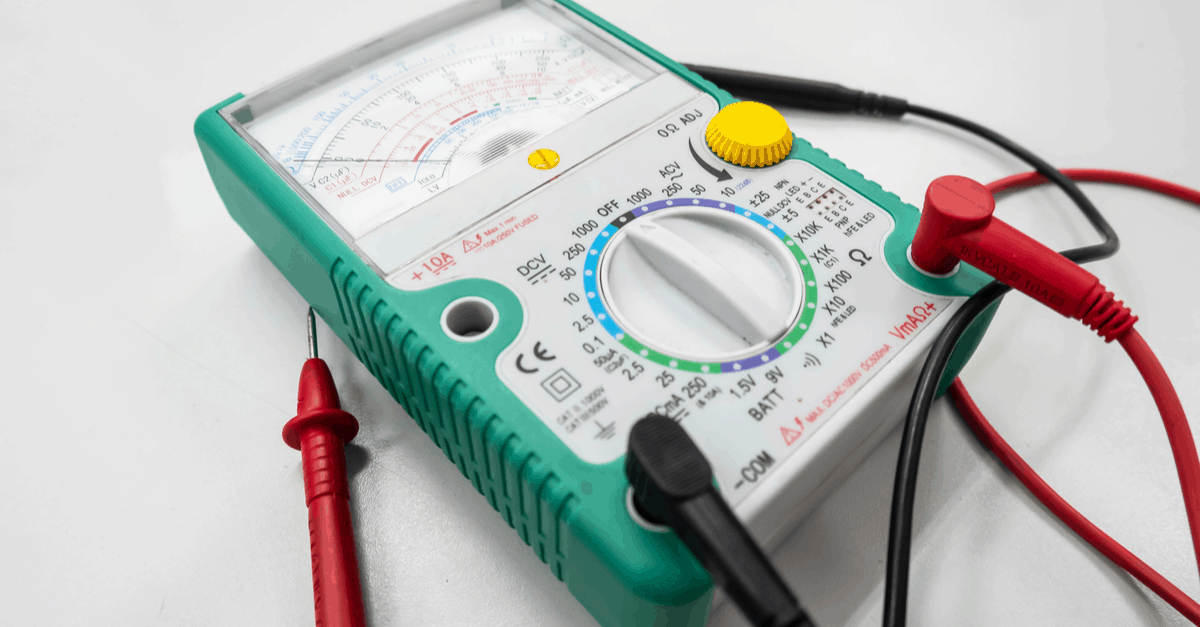
Analog Multimeter
1. No Batteries Required
The good thing about using the old-school analog is you do not need to charge it in any way. This will prove helpful, especially when you need to work on projects that require a long time. Additionally, you cut down the costs of buying new batteries.
One of the benefits of using these devices is that they are pretty long-lasting and tough. Yes, they might be bulkier than their digital cousins, but if you store them safely, they last for years to come.
2. Range
There are some projects where you need a good idea of the range you are working with. So, if you are facing fluctuating signals and need an approximate range, then analog would be the best option for you.
And, whenever you have hooked up the analog meter to the incorrect polarity, you do not need the screen to display this. The needle is perfectly capable of alerting you if you’ve made an error or if the voltage is clearly off.
3. All-Purpose And All-Season
The construction of analog variants is simple compared to digital multimeters that use several electronic components running on battery power. That is why the digital ones are prone to heating over long periods of use, and the analogs aren't. Since they never overheat, you can use them for outdoor projects or in warmer areas without worries of heating.
Also, if you are looking to get a basic and quick result without much care for pinpoint accuracy, you’d be happy with the analog multimeter.
No products found.
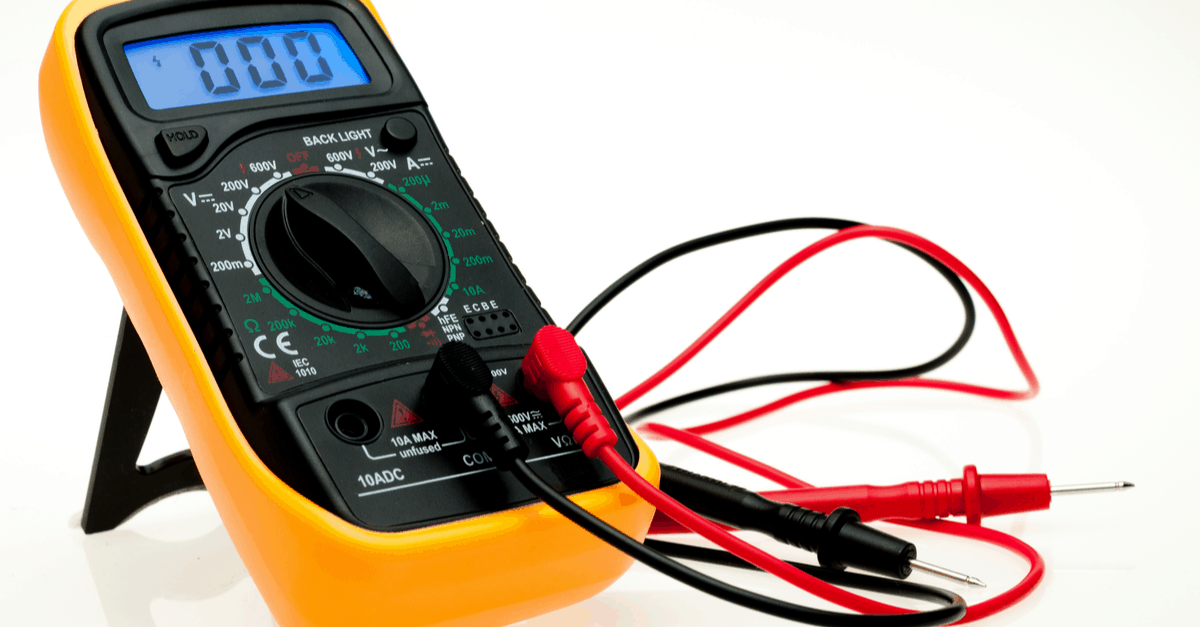
Digital Multimeter
1. Accuracy
There are a few reasons why people prefer the newer digital multimeters over analog ones. The biggest reason being - they give more accurate readings than analog devices. Also, since the display shows you the exact results in numbers, it’s impossible to misread it.
To add to that, they have an auto polarity function. So, if you are connecting the test circuit to the meter, you won’t accidentally select the wrong polarity. As I found out during my research, digital multimeters also help to avoid parallax errors. This is essentially the viewing of the analog pointer from a different angle which can drastically change the reading.
2. Durable
Secondly, digital multimeters are more resilient than analog ones. They are resistant to shock failures, drops and don’t get damaged easily over time. This is because there aren’t any fragile parts like needles in the digital device. In the case of analog, the needle can break or dislocate if it’s dropped from the table.
3. Time-Saving And Cost-Effective
One of the best things is that the digital multimeter reveals the measurements faster and much more accurately. This means you don’t need to wait around for the result or test a second time in case of errors. Making adjustments is another thing you can skip with this option, as this digital device doesn’t need frequent adjustments.
When I say cost-effective, I mean you can get a quality product under $50 without the need to purchase for years afterward.
4. Other Features
With the help of this multimeter type, you can lock the measurement on the screen for easy reference. This makes your work easier because you do not have to jot down the readings after each measurement.
It also comes with an auto-range feature that allows you to choose the range you need to work with. This ensures you are working in the range necessary and simultaneously preventing damage to the meter.
No products found.
What’s The Difference Between Analog And Digital Multimeters?
1. Accuracy
While analog multimeters might sometimes generate inaccurate results, digital ones are pretty accurate. The analog variants are prone to error because there may be a misunderstanding in reading the needles.
2. Calibration And Reading
With digital multimeters, you do not have to calibrate them because they are recalibrated automatically before measuring. On the other hand, analog multimeters required manual calibration. As far as the readings are concerned, digital ones display the number on the LCD while analog ones take a careful eye for reading measurements.
Which One Is Better?
If you ask me, I’d say go for the digital multimeter. Not only does it have a range of advanced features, but it also saves you from racking your brains with mental math. And when it comes to accuracy, the digital one is the way to go!
Final Words
Ultimately, both the multimeters are used for the same purpose. With changing times, everything that can be digitized always is. So, there isn’t a right or wrong pick if you choose either option. It’s only a matter of preference between the old school analog or the new age digital multimeter.
So, coming back to my purchase, after reading about the benefits of a digital multimeter, I knew that’s the one I needed as a replacement. And I hope this guide helped you through the various features and differences of analog and digital multimeters.
On that note, I’ll see you later, bye!