
Apples are a great fall fruit. They're sweet and juicy, and they add a little bit of both tartness and sweetness to any meal. They also make for great snacks while you're out in the garden working hard! In this post, I'll teach you how to grow your own apples from seedlings all the way up through harvesting them. Let's get started!
How to Plant an Apple Tree

The first step to growing your own apple tree is planting the actual seedling. When you buy an apple seedling, you'll get a little tree with a couple of buds on it. One or two of these will be the flowers that will become apples, and the rest will be leaves.
Apples are self-pollinating, which means that both the flowers and the leaves can pollinate each other. If you plant two different apple trees close enough to each other, they may accidentally cross-pollinate and produce a new variety of apples. This is one reason why gardeners will usually only grow one apple tree per family, or at most two or three.
How to Grow an Apple Tree
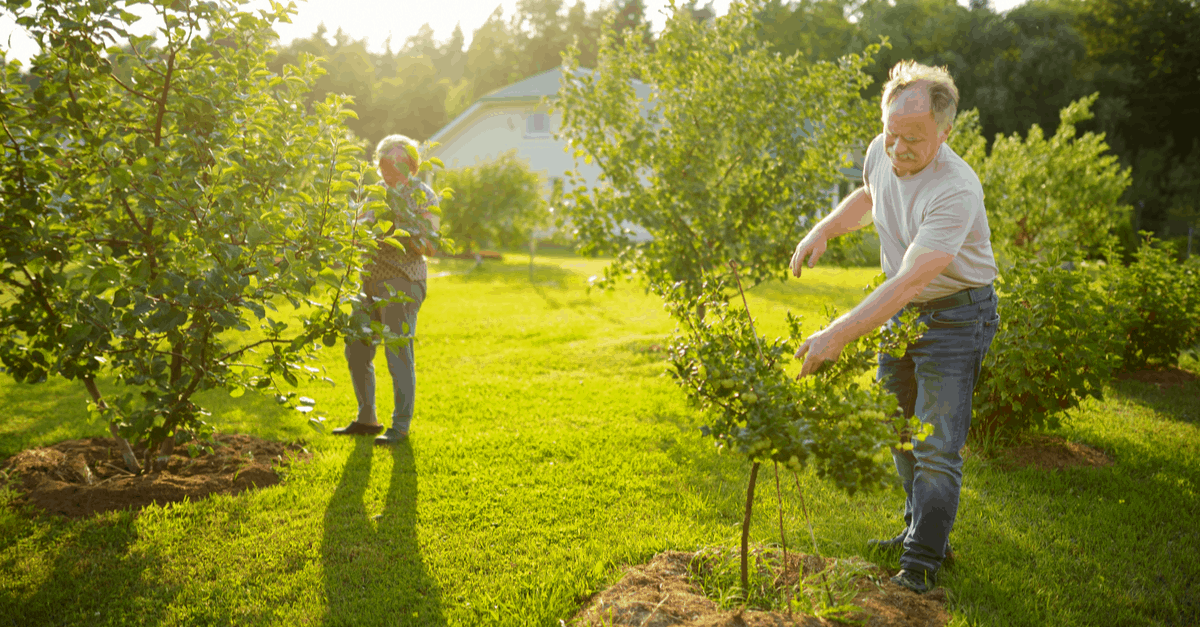
If you want to grow an apple tree from seed, you'll first have to let the seeds dry out for a few weeks. Then, bury them in potting soil that's kept indoors. Plant two or three sets of seeds at least six inches apart and don't be surprised if it takes up to two years for the trees to get big enough to start bearing fruit. When the trees are between two and five feet tall, they're ready to be planted outside, in well-drained soil that's either sandy or loamy.
How to Prune an Apple Tree
Apples take a lot of care and will need careful pruning during their first few years. Before you do any pruning, always make sure you're wearing heavy gloves or gardening clippers.
Unneeded growth should be removed within one month after it appears. When the tree is about six months old, prune it by cutting back the branches every 25 or 30cm. When you're pruning, be sure to leave at least 30cm of the branch so it can produce leaves. Also, try not to make more than one cut on any given branch.
You'll also need to trim away any dead parts from the tree's bark and lower limbs. Branches that are growing inward or downward should also be removed.
Also, make sure to remove any suckers that appear on the tree and are growing upward. These branches should be cut back to a leaf bud farther down the stem.
How to Harvest an Apple Tree
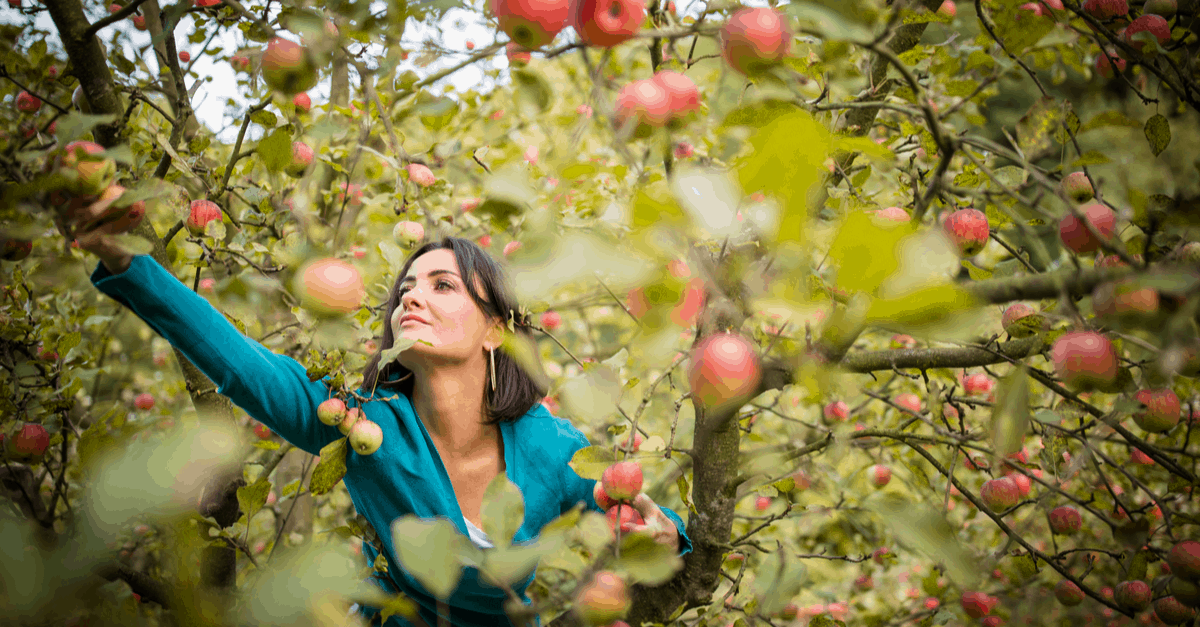
Apples ripen during the fall. If you plant an apple tree in your backyard, this is when you'll want to harvest it! Apples are ready for picking about a month before they're supposed to be ripe – if they're hard when you pick them off the tree, then they'll be extra sweet once they've ripened!
Apples can be stored in a cool place for at least a month after they're picked, which is why many gardeners like to grow an apple tree that's just outside their kitchen window.
When you're picking apples off your tree, make sure you don't pull too hard or the stem will snap and break! Simply grab the apple and tug gently.
You'll know your apples are ready when they're bright, shiny, and firm to the touch. If you don't think you'll be able to finish them all off in another month or so, it's fine to leave some on the tree – as long as there aren't any pests trying to eat them, they'll keep for a long time.
What do Apples Taste Like
When you're trying to figure out what kind of apples you should grow, the best way to describe their taste is by comparing them with other fruits. For instance, an apple that tastes sweet will be like a plum or a peach. An apple that tastes tart will be more similar to a lemon than anything else – and something that's both sweet and tart will be kind of like sour cherry.
Apples are one of the most popular varieties of fruit in the world, along with bananas, oranges, mangoes, watermelons, and pineapples. Since apples are grown all over the world, they can come in almost any size or color. Some people even use apples to make juice, apple cider, and jelly – and apples can also be made into pies, crumbles, crisps, tarts, turnovers, and more.
Apples are usually eaten raw when you're taking a walk in the park during autumn or eating lunch at school. They are also good for cooking since they hold their shape well after being cooked and they don't get mushy easily.
Apples are one of the more popular kinds of fruit in the world! Millions of apples are eaten every year, including over 2 billion in Europe alone. In fact, there are over 7,500 varieties of apples that grow all around the world – only about a hundred or so apples are grown in North America.
There are a few different kinds of apples that are often called for in recipes – these include red delicious, golden delicious, and Granny Smith. This doesn't mean they're the only apples you can use – any variety will work, so if you have other favorites or you want to experiment with something new, don't be afraid to try something different.
You can also sort apples based on their use: cooking apples and eating apples. Cooking apples are usually the best choice of fruit to cook with since they hold their shape well once cooked – this means that when you're making an apple pie, it'll look like a real apple pie when you slice it!
How to Store Apples
If you want your apples to last as long as they possibly can, it's a good idea to store them in a cool, dark place. A cellar or an attic are the best places for storing apples because not only do these areas stay at about 55 degrees Fahrenheit (13 Celsius), but they also don't have the light that would cause your apples to go bad sooner.
Apples can be stored at room temperature in a dry, dark place with good air circulation for about two to three months before they start going bad. If you want your apples to last even longer, store them in the refrigerator or freezer instead.
If you're planning on eating your apples right away, just keep them on the counter. But if you want to keep them for a while, keep the following tips in mind:
Cover your apples with a paper bag or put them in a plastic bag (the kind you get from the grocery store). While this isn't 100 percent necessary, it will help to keep out any unwanted pests that could otherwise invade your fruit bowl.
Put your apples in a spot that has plenty of room for air to circulate – you don't want them sitting on any other fruit or vegetables, so keep that in mind when storing these items.
Keep the stem end down so the apple doesn't get any bruises. Apples bruise very easily, which means they turn brown and yucky.
Try not to store apples in the refrigerator unless you absolutely have to – these tend to go bad faster than room temperature, and you'll get sick of apples before they go bad if they're always around!
How long do apples last? If properly stored, an apple will stay good for about three months.
You'll know an apple is bad when it's soft and squishy, has a foul odor, or the skin is shriveled up.
If you're planning on baking with them, be sure to keep your apples whole until right before you're going to use them. That way they'll have time to reach room temperature (about 70 F or 21 C) before you use them.
If you cut your apples, however, keep your leftover pieces in the refrigerator and store them in a sealed container just as you would fresh fruit. Be sure to wash all of the pieces well before using them so there are no potential contaminants on them that might make you sick.
If you're worried about contaminating your other food, you can store your apples in a bowl by themselves. This way they don't get the chance to touch any of your other produce – just make sure they're covered and out of reach of pets or children (or bugs) that might be tempted to nibble on them!
If you live in an area where it snows, you might find your apples covered in white fluff! If it's just a small amount, you can gently brush off the snow or take the apple outside and shake it to get rid of any excess. However, if there's a lot of snow on your apples, wait until they're frozen before brushing them off – this could damage the fruit.
When the weather gets warm, apples tend to develop brown spots on them. These aren't harmful and they won't affect the taste of your fruit (in fact, that's how you can tell when an apple is really ripe – if it has brown or red spots!)
What are Apples Used For
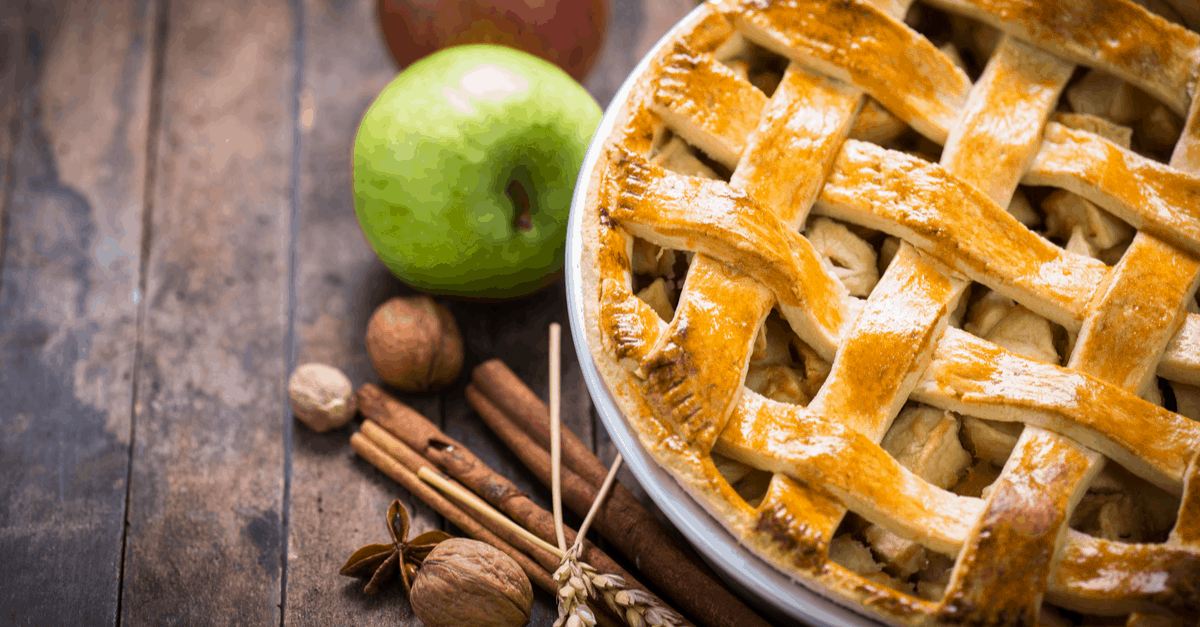
Here are just a few of the many, many things that you can do with apples:
Make apple sauce – it's a great treat to make during the winter months! You'll need about 12 cups (3 liters) of diced apples for each pound (0.5 kg) of sugar you use; add spices and lemon juice, if you'd like. Cook the apples in a large pot with about 1 cup (250 ml) of water for each pound (0.5 kg), and add sugar to taste when they're finished cooking.
Find out how to make an apple crisp – just follow this easy recipe! It's one of our favorite ways to use up not-quite-perfect fruit.
Make a delicious apple pie – it's so easy, you'll be making this again and again! Just make sure that your apples are juicy enough to hold their shape when baked. If they're too dry, just add some extra juice or water before cooking them down enough to mix with your other ingredients (for example, you could use apple juice instead of water).
What are the Health Benefits of Apples
There's no denying that apples are delicious – but they're also good for you! They're a great source of vitamin C, which helps give your body the energy it needs to keep going strong throughout the day. And when you pair those vitamins with all of their fiber, you've got yourself one healthy fruit.
Now that you’ve learned about the general guidance on how to grow an apple tree in your backyard, we hope you are ready to take some action. We’d love to hear more from our readers who have successfully grown apple trees at home. What tips would you give others? Do you have any stories of success or failure with growing these delicious fruits? Let us know by commenting below!