
Asparagus is one of the most versatile vegetables around, as it can be used in a number of dishes. It's also easy to grow and harvest. Follow these tips for planting, growing, and harvesting your own asparagus!
How to Plant Asparagus
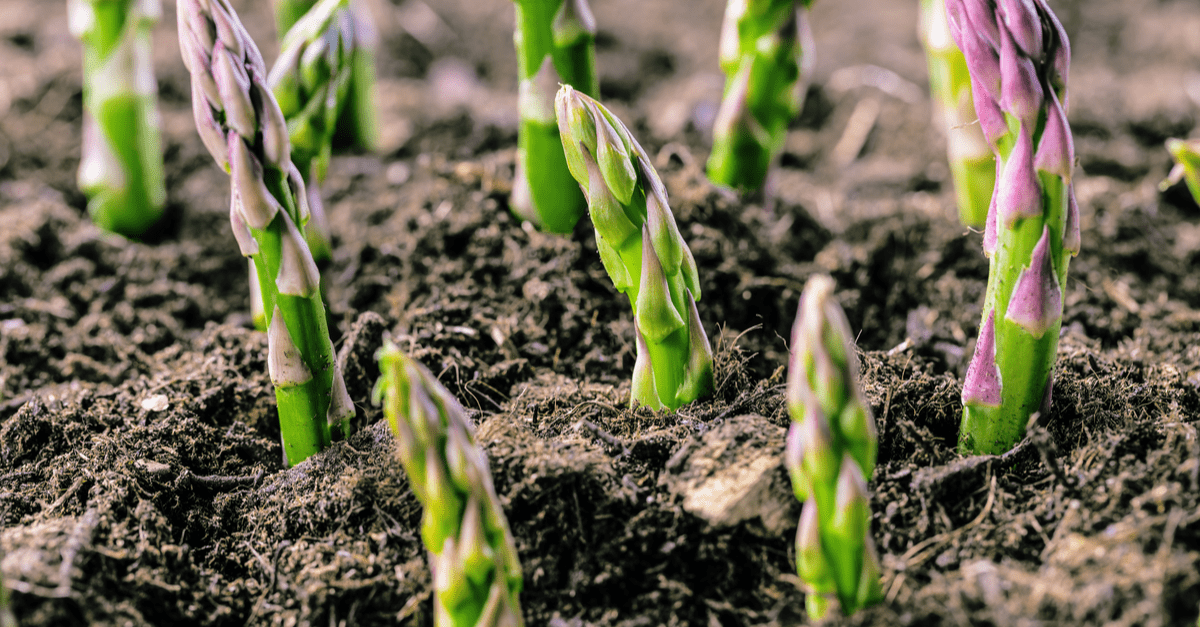
Asparagus is grown from seed. The seeds are planted in late winter or early spring and are spaced evenly apart with about six inches in between each plant. You can also plant the asparagus crowns instead. This means that you will need to buy these at a garden center or online. They are inexpensive and easy to get ahold of for most people.
To prepare your backyard garden for planting asparagus, use a garden fork to loosen up the soil and add some fertilizer. Be sure to add enough fertilizer that is specified by the packaging instructions for the type of fertilizer you are using, as this is important. The fertilizer will help with growth and will ensure that the plant has everything it needs to grow quickly and healthfully.
Also make sure that when you're done preparing your garden bed for planting, water it down well to moisten the soil. You should water it down daily until you see little shoots coming up from the ground, which usually means that they have germinated. This can take about three weeks or so before they develop into plants!
How to Grow Asparagus
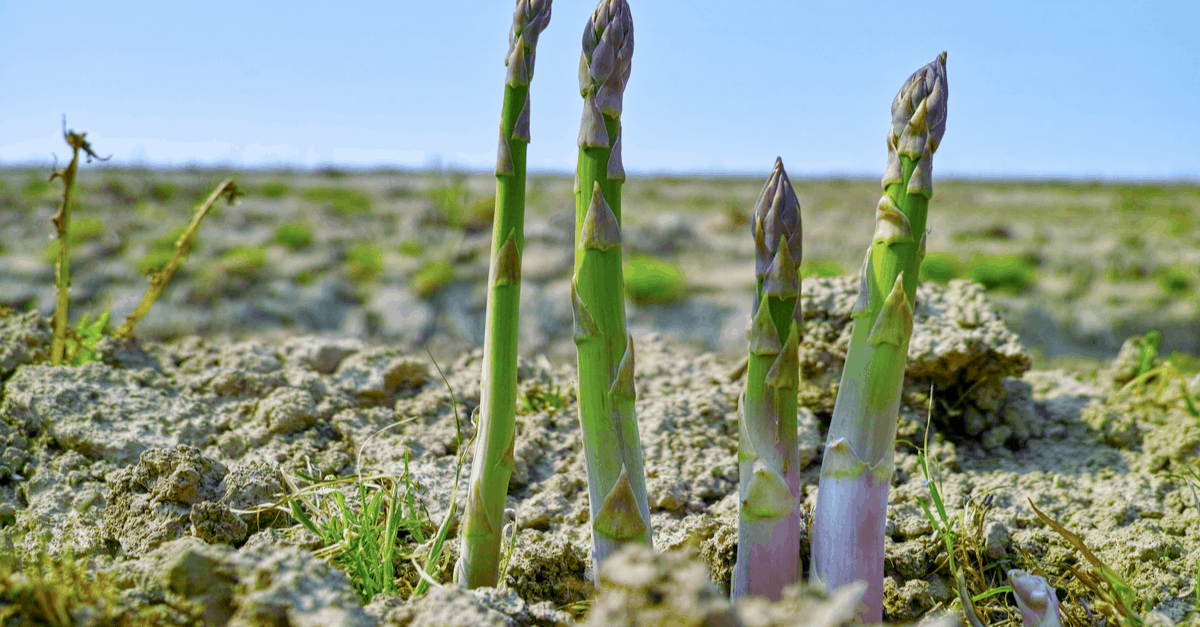
To grow your asparagus plants, you should provide it with at least six hours of sunlight a day. It's best if you can fertilize it about once a month or so while they are growing and harvest them in the spring time. Harvesting is easy: just cut off the tips of the spears (the most tasty part).
You can also add mulch around your plants to help keep the soil moist and cool around the roots which will increase overall yield. Asparagus also needs to be watered regularly and usually needs lots of water right after planting until it starts to develop into plants. If there is not enough water, then your asparagus will not produce well or taste good.
How to Harvest Asparagus
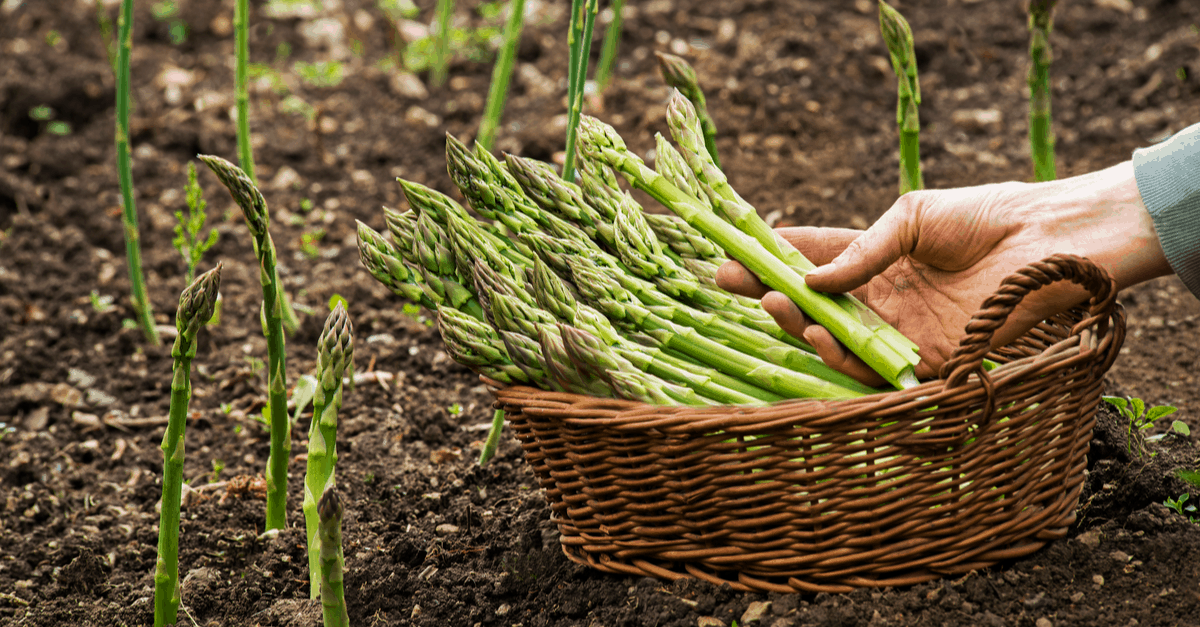
To optimize the harvest, asparagus takes a few years to grow so wait until the third year before harvesting. To maximize your yield, make sure to cut off the fattest stalks at ground level when they are 15-20cm (6-10" in height) long.
For the first harvest of asparagus, let emerging thinner spears grow into big fronds. These shoots will provide nourishment to the roots, extending your harvest for up to 8 weeks from this point on. Store in the refrigerator wrapped in a damp paper towel until you're ready to eat.
Harvest time for asparagus is in spring. You can harvest the asparagus spears when you see them poking up out of the ground, which usually takes about three weeks. The best thing to do is cut off the tips of these spears, which are the most tasty part. Store these in the refrigerator and use it later in your favorite dishes! Wash them off right before you chop them into pieces.
What Does Asparagus Taste Like
Asparagus is a vegetable that has a slight earthy taste and texture. It's often boiled, steamed, grilled, or roasted with other vegetables to add a sweeter flavor to the vegetables. It can be eaten raw on top of a salad or in a sandwich/wrap. When using asparagus in recipes, it's important to know how to prepare it well so you're not wasting any of the vegetable.
How to Store Asparagus
To store asparagus, it's best to place them in a glass jar with some water and keep it in the fridge. Asparagus is best eaten when it is fresh, so you should eat it as soon as possible after harvesting or cooking (within a few days). As soon as you cut off the tips of your spears, be sure to rinse these off and then store them in the refrigerator until you're ready to use them.
Asparagus should be eaten quickly, especially if it's going to be cooked, so you should eat it up with the next few days. Even though asparagus can last in the fridge for around two or three days from when it's been harvested, its taste is usually best on day one.
What is Asparagus Used For
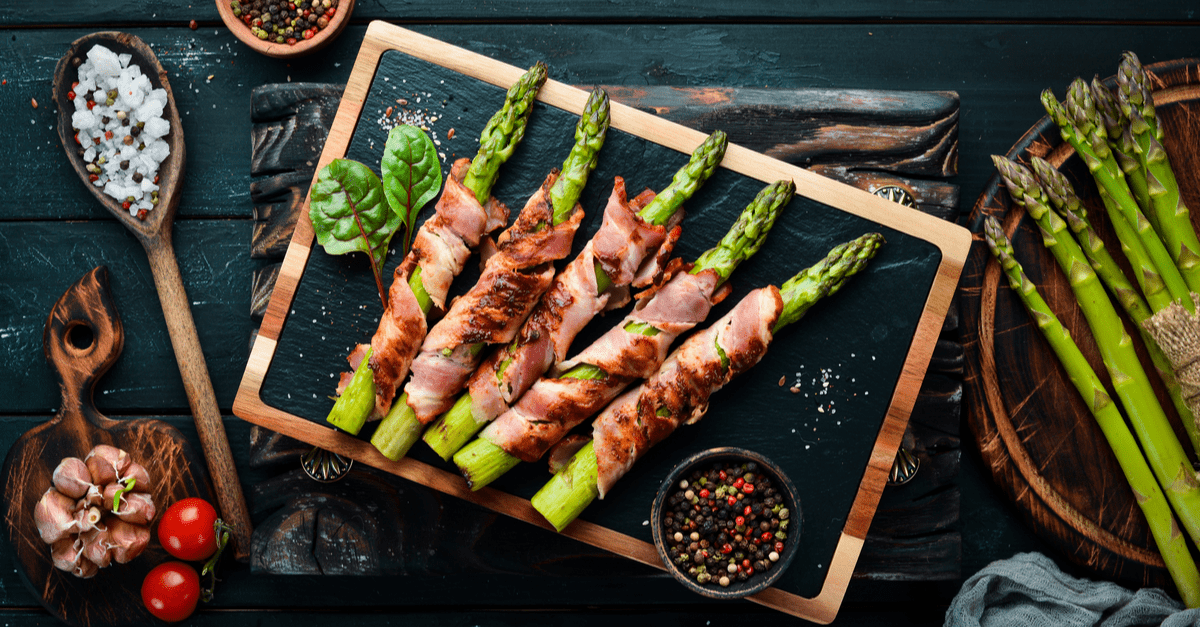
Asparagus can be eaten raw on a salad or in a sandwich/wrap, boiled, steamed, grilled, or roasted with other vegetables. It is used as a vegetable in recipes.
The most popular way to cook asparagus is by steaming it. You would put the asparagus in a pot with some water and bring the water to a boil. Once the water starts boiling, you could add a little bit of butter or oil to prevent sticking (you could also use salt). Put your steamer on top and put in your asparagus for about five minutes. After five minutes, take them out and enjoy!
The most popular way to bake asparagus is by roasting it. To roast asparagus, you would need to wash it off and then drizzle some oil on top of the asparagus. You would then place your trimmed asparagus in a pan with a little water and add salt or just butter if you're not using salt. Put the pan in an oven heated at 425 degrees Fahrenheit for five minutes. After five minutes, take the pan out of the oven and enjoy!
What are the Health Benefits of Asparagus
Asparagus is a vegetable that's made up of mostly water, so it's good for you as well. It also has a lot of fiber, potassium, and Vitamin A. Another great thing about asparagus is that one serving has only 60 calories. So asparagus can be a great low-calorie food choice if you're trying to lose weight or watch your calorie intake.
The health benefits of asparagus is that asparagus can help with ulcerative colitis, diabetes, and high blood pressure. Asparagus also has a lot of potassium which helps with heart disease. It's also very low in calories so it can be a great choice for people who are trying to watch their calorie intake or lose weight.
Asparagus is a delicious vegetable that can be eaten in many ways. To grow asparagus, you'll need to plant it about 2-3 years before the last frost of spring and harvest your asparagus when they are sticking out of the ground (about 3 weeks). You should eat them within a few days or store them by placing them in water inside a jar for up to two or three days at most. Asparagus has been shown to have health benefits such as aiding ulcerative colitis, diabetes, high blood pressure, heart disease, and weight loss!