
Introduction
Growing your own vegetables is something many people have thought about doing at least once, but although the seeds of an idea were sown, have never actually tried their hand at it.
Many assume that it will be too difficult for a novice gardener to create their own bed, fill it with veg, and successfully grow their own, but I’m happy to tell you that this isn’t true!
Gardening is a great way to relieve stress, and having tasty, delicious, and nutritious vegetables at the end of it makes all of the efforts you will need to put into growing your own food satisfyingly worth it. Plus, once you know what you’re doing, it’s really not that hard.
I’ve put together a guide for beginners on how to plant a vegetable garden, covering the benefits of home-grown veg, how to get your garden set up, the best vegetables to try your (soon to be green-fingered) hand at first, and some helpful hints and tips for growing them.
Table of contents
Benefits of Growing Your Own Vegetable Garden

There’s a reason that so many people think about starting their own vegetable growing garden at least once in their life. In fact, there are several reasons, so this next section is about to go through five of the biggest benefits of growing your own vegetable garden.
- Save Money on Groceries
On average, a typical American household will spend around $314 to $516 a month on groceries, although this varies across the US depending on the cost of living in each state.
We all have to eat, but you won’t believe how much you can cut down on grocery costs by growing what you need instead of constantly popping out to the shops.
You can also keep an eye out for reduced options where possible, but this doesn’t compare to the option of being able to pick your dinner from a patch of home-grown veg. All you need is a packet of seeds for your favorite vegetables which you can source for just a few cents.
- Reduces Stress Levels
It’s not necessarily the first hobby you might think of when it comes to stress relief, but it can actually have a more positive impact on your stress levels than reading, for example.
In fact, after a study that resulted in two groups spending 30 minutes either gardening or reading after being given a stressful task, the results proved gardening to be the more effective stress reliever of the two, with participants’ mood improving fully after this time.
This is perhaps due to the fact that doing something meaningful or with a specific purpose can be an effective way to relieve stress or because of the time spent outside in nature.
- Improves Your Overall Health
It’s easy to automatically think you’re being healthy just because you’ve turned your trolley towards the fruit and vegetable aisle, but unfortunately, a lot of people are unaware of just how many chemicals are used in mass vegetable production which can harm their health.
Fresh, organic vegetables, on the other hand, contain all the essential nutrients, including antioxidants and vitamins, that promote better health and naturally boost your energy levels, but with none of the toxins contained in chemical-based fertilizer or plant growth hormones.
Home-grown vegetables can also be particularly beneficial for children, not only because of their health-improving vitamins and minerals content but also because children are more likely to eat their vegetables if they’ve been involved in the growing process from the start.
- Environmentally Friendly
The chemicals used to facilitate non-organic vegetable growing are often equally as harmful to the surrounding soil as they can be to your health, which is damaging to the environment.
With the amount of plastic packaging used to contain and transport fruit and vegetables that are then sold in supermarkets, even switching to only organic produce can have an impact on the environment, whereas growing your own can drastically reduce your carbon footprint.
You should also consider the fossil fuels that would be required to transport fruits and vegetables to your local store in the first place, as this is eliminated through growing your own at home; the only travel distance is from your yard to the sink and to the kitchen table.
- Minimize Waste
Food waste is another environmental issue that can be helped by growing vegetables instead of buying them at the supermarket every week.
In 2020, Forbes magazine reported that “the entire food production process needs improvements to eliminate waste completely”, which currently stands at around 30%.
This disappointing percentage adds up to a total of around $240 billion which is spent on food that ends up going to waste, or works out as a shocking $1,866 per American household according to a study published in the American Journal of Agricultural Economics.
Going to the effort of growing your own veg tends to make you more appreciative of the soil’s offerings, meaning you’ll be more likely to use up food by preserving or freezing it. You can also use up vegetable cuttings and scraps for compost to use as a natural fertilizer.
Steps to Starting a Vegetable Garden
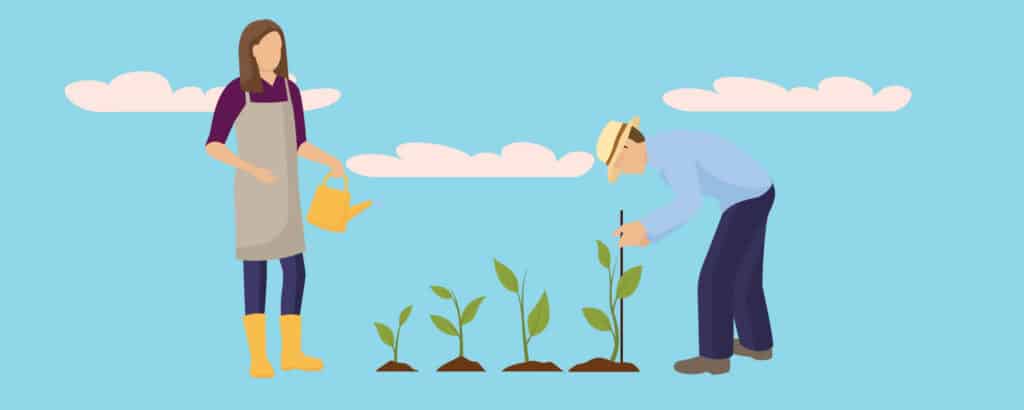
Starting a vegetable garden from scratch can seem daunting when you’re a beginner, but there are some simple steps you can follow to get your vegetable patch all set up.
Pick the Location
First, you want to make sure that you’re setting up your vegetable garden in the best spot possible. You can’t exactly just move your patch later and its location can impact how successfully your plants grow, so ask yourself the following questions before you get started:
Is it sunny?
Typically, most vegetables require between 6 and 8 hours of direct sunlight every day, although you can find certain vegetables which need a shadier spot to grow in. Think about what sort of vegetables you’re likely to be growing and check how much sun they will need.
Does it have good drainage?
Overwatering your vegetables can cause root rot due to sitting in soggy soil, so choosing a spot with good drainage can save your plants from drowning. If possible, try to plant your vegetables in a raised bed or row instead of the ground, as this will offer better drainage.
It’s also a good idea to find an area that’s level in order to prevent soil erosion.
Is it well-shielded from the wind?
Tall plants are especially vulnerable to damage during windy weather, so find a spot that shields your vegetables from the worst of the wind. This also ensures that plant pollinators will be able to get in there and do what they need without too much disturbance.
Is the soil rich in nutrients?
Seeing as this is where your vegetables will get their “food” from, it’s important that you choose a bed of soil that is going to be rich in nutrients to help them grow tall and tasty. You can mix in some organic matter when creating your veggie patch which will further enrich it.
Is there enough room?
When you’re planting multiple plants or multiple types of vegetables in your veggie patch garden, you need to make sure that your chosen spot has ample space for them to grow in.
Some pairings should not be planted near each other at all as one is likely to absorb the majority of the nutrients in the soil which means the other crop will not be getting enough, whereas others make better companion plants and can be grown closer together.
You should follow a spacing chart to see how much room you should leave between vegetable plants in order for them to grow to a healthy size.
Start Small
You may be dreaming of a garden that’s filled with rows upon rows of vegetable beds, each one offering up a fresh crop of something new, but I’d actually suggest starting off small. I mean, it’s better to be proud of a small garden than frustrated or overwhelmed by a big one!
For a vegetable patch that will be growing directly from the ground, a 10-inch by 10-inch garden (around 100 square feet) can fit up to three or five different vegetable plants, or a raised bed of 4 inches by 4 inches or 4 inches by 8 inches is appropriate for beginners.
If it’s your first vegetable patch but you’re determined to build something a little larger (and what’s wrong with dreaming big!) you could probably get away with an in-ground garden of 12 inches by 24 inches which will fit several different types of vegetable and herb plants.
Not only will roughly sticking to these measurements prevent you from having more vegetable plants than you could possibly have space to store, you’ll also reduce waste by only growing what you know your family will actually be able to eat before it goes bad.
Select the Vegetables You Want to Plant Based on the Season, Climate, and Space
Even if you’ve never grown your own vegetables before, you should know from doing your grocery shopping that some vegetables are only in season during certain months of the year, so it’s important to remember this and factor it in when choosing which vegetables to plant.
This can be due to the temperature of your veggie garden’s climate, as certain plants thrive in direct sunlight and with plenty of heat beating down on them, whereas others prefer cooler temperatures and may struggle if you attempt to plant them in the same sunny spot.
To ensure you’re only planting vegetables that have a good chance of growing successfully, check the recommended planting dates for various types to see what your options are.
You will also need to consider the size of the vegetables you’re thinking of planting and how well they will grow next to each other in the space you’ve designated for your veggie patch.
To help you know when and which vegetables to plant, I’ve included a section a little later in the guide that walks you through the best vegetables to grow if you’re a beginner.
Enrich the Soil
Once you’ve chosen the perfect spot for your patch of vegetables to grow in the garden, you may need to enrich the soil in this area to get the best results.
You can enrich the soil in a number of different ways, including the following methods:
- Mix organic materials into the top 2 inches of soil then cover with mulch. You should also add concentrated manures, potassium fertilizers, mineral phosphorus, and lime at this point. Ideally, do this in the fall so that it has time to break down before spring.
- Cover crops are an effective alternative to animal manure. These are essentially plants like buckwheat or lacy phacelia (summer) and daikon or clover (fall) that have been broken down and mulched into the soil to add nutrients as they decompose to improve fertility and enrich the earth. This is also known as green manure.
- If you have a fireplace, you can also use wood ash to boost the nutrients in your soil as it contains trace amounts of potassium, lime, phosphorus, magnesium, aluminum, and sodium, and provides many essential micronutrients. It can also absorb any harmful toxins found in the earth and raises the pH level of acidic soil.
To find out about other ways you can enrich your vegetable patch, check out this article on 10 ways to improve garden soil.
Plant the Seeds
When it comes to planting your seeds, there are two main ways you can start them off.
- Start from seed, or-
- Purchase small starter plants.
If you choose to grow your vegetables from seeds, you can start them indoors or outdoors depending on their hardiness and whether they can handle the harsher weather conditions.
Starter plants, on the other hand, have already grown into little “transplants” which can be transplanted (hence the name) into your veggie garden from the starter plant you purchased.
Check out how to sow seeds for your vegetable garden for more information on what plants prefer which type of start in life or see this guide to identifying different seedlings. You should also make sure to leave plenty of space between each plant so they have room to grow.
You don’t have to choose one method and stick to it religiously, as different plants can react differently and will thrive in various ways depending on the way they were originally grown.
While seeds are much cheaper than buying the grown produce from your local supermarket, you’ll still waste money if you won’t pay an extra few cents for a quality packet of seeds and they fail, so it’s best to use high-quality seeds if you want successful, succulent vegetables.
Keep the Garden Regularly Watered
It’s common knowledge that plants need water to survive. When they’re situated in a sunny spot within your garden, you’ll need to ensure they’re being regularly watered to keep up with their required intake, and this is why an effective drainage system is so important.
A good guideline to follow is around 1 inch of water per week which is approximately an inch of rain which is 60 gallons per hundred square feet. This is the perfect amount to aim for according to experts, and it helps them withstand the stresses of heat and dry weather.
Water deeply two or three times a week rather than giving a shallow amount each day as this will moisten the water and encourage plants to extend their right down into the ground. It’s also better to water in the morning so their leaves can dry before the sun scorches them.
Irrigation kits are a great way to reduce the work of watering your plants by hand, and there are plenty of choices online that are effective yet affordable, like this irrigation system.
Do the Weeding Regularly
It’s important to keep the weeds out of your vegetable garden as much as you can or they can have a negative impact on the growth of your produce, so regular weeding is essential.
A good way to prevent weeds from taking over your crop patch in the first place is to mulch the earth by adding a two or four-inch layer of organic material to the top of your soil.
Although it does provide a bit of a workout, weeding your garden is pretty simple. All you need to do is pull up weeds holding them near the bottom of their stem. Make sure to remove the entire root so that you leave nothing behind that they could grow back from.
Be Prepared to Take Care of Your Plants Throughout the Growing Season
There’s no point in spending the entire fall season setting up your vegetable garden and preparing the soil if you’re going to be on holiday during the spring when it’s time to plant.
You’ll need to factor in any existing plans for the year when you’re picking which vegetables to plant and planning the size and layout of your vegetable patch, as this will determine how much attention you’re able to give them.
If you’re attempting to plant vegetables that are hard to grow and maintain or require lots of TLC during the growing season (think carrots, sweet potatoes, cauliflower, and eggplants) you’ll need to be home all summer or arrange for someone else to look after your patch.
Alternatively, if you already know you have a busy year ahead or you have plans that are already scheduled for throughout the growing season, you can choose to grow cool-season crops that are more low-maintenance. This includes veggies such as kale, lettuce, peas, and root vegetables which can be grown through late spring to early fall.
Enjoy the Fruits of Your Labor!
The final step for your vegetable patch is picking your produce, cooking them up in your kitchen, and enjoying the first bite of the year’s first harvest.
You’ll be able to reap what you sow – literally – as soon as your veggies are ripe and ready for harvest, but try to avoid picking produce before you’re planning on using them.
Easy Vegetables to Grow as a Beginner
As I’ve already alluded to throughout this guide, certain vegetables are trickier to grow than others as they require more care and attention.
There are some temperamental types of veg that will up and wilt on you the minute you forget to water them, whereas others can survive a few days of neglect before deteriorating.
To help point you in the right direction of which plants you’re likely to have the best success with if you’re a beginner, here’s a list of some of the easiest vegetables to grow.
Lettuce
Home-grown lettuce is leagues above the kind you can get from the store.
It grows quickly and produces for a long time, and while you do need to ensure it gets enough water, it’s a pretty low-maintenance plant that can be grown in a raised bed, ground bed, or containers. With that said, it does prefer cooler temperatures.
Cherry Tomatoes
There’s a reason why cherry tomatoes are one of the most common vegetables grown at home, and while it might have something to do with the fact that they’re delicious to pick and eat straight from the vine, it’s also because tomatoes are an easy type of veg to grow.
They can be planted in areas that get at least 6 hours of sunlight every day in northern regions and can survive with some light afternoon shade in southern regions. Other than that, they’re strictly sun worshippers and can’t withstand living in cooler temperatures.
Radishes
Next up from the hardy variety are radishes, another root vegetable that is a good option for beginners to grow. If you haven’t mastered the patience of an experienced gardener yet, you’ll be pleased to know they can be ready for harvest just three weeks post-planting!
This means you can plant them a number of times during one growing season, either during the springtime or when fall rolls around, although they struggle in the high heat of summer.
Zucchini
It’s my belief that every vegetable garden should include zucchini. It can be used in everything and during peak season your plant will produce a new one practically every day!
They’re a tad trickier than the other veg I’ve listed so far, but nonetheless, still achievable for the braver beginner vegetable grower.
Peppers
If you’ve struggled with pest problems in the past, peppers are a good beginner option and there are varieties in sweet, spicy, or hot flavors as well as various colors, shapes, and sizes.
As a relative of the tomato, peppers are another warm-season vegetable and do best when started from seed indoors. Once transplanted, they’ll need full sun to reach their potential.
Carrots
With a taste and texture like no other, carrots are also best when they’re fresh from the ground, and this robust root vegetable can be grown in various different climates.
You’ll need to make sure your soil is top quality with minimal obstructions under the surface, but if you plant carrots in the spring/summer you’ll find they mature after two to four months.
Spinach
This leafy green is pretty similar to lettuce when it comes to the necessary growing conditions, but it offers even more flexibility which means it’s ideal for beginners.
Unlike a lot of plants, spinach prefers a cool climate (less than 70℉ or 21 ℃) and should be planted as early as possible (like, as soon as the ground has been worked…) to ensure it gets six weeks of cool temperatures before the sun comes out for longer during the day.
Peas
Often referred to as “nature’s candy off the vine”, there is a huge variety of peas that makes the hardest thing about growing them the part where you decide which kind!
Peas can be planted soon after the earth is ready to be worked and is limited to cooler temperatures like spinach, so it’s best to plant as early as February, March, or April at the latest, or during the fall and winter seasons if you live in a warmer climate.
A Few Tips When Planting Your Vegetables
Sometimes you can think you’re doing everything right, yet your vegetable yield turns out to be nowhere near as large or as bountiful as you had anticipated.
The difficulty with growing vegetables is that there are so many different stages of growth that it can be hard to know which part of their life cycle that you should do differently next time, meaning it may take a little bit of experimenting to figure out what works best.
Here are some key tips you should know before you start planting your vegetables.
Not All Vegetables Are Planted at the Same Time
When you decide to start a vegetable garden, one of the first things you’ll learn is that different types of vegetables are planted during different seasons.
For example, it’s during the “cool season” that you should grow hardier vegetables such as lettuce, peas, and broccoli because these vegetables prefer to be kept out of direct sunlight for extended periods of time and they do well in the colder weather of fall and/or spring.
Vegetables like tomatoes, peppers, and cucumbers, however, prefer the “warm season” where the soil heats up toward the later weeks of spring and throughout the summer season.
You’ll need to know when different vegetables should be planted in order to create a planting planner. You can even alternate the vegetables you grow in different areas to keep your favorites on rotation, which is useful if you’ve followed my advice and dug a smaller patch.
Plant Tall Veggies (Such as Pole Beans on a Trellis or Sweet Corn) on the North Side of the Garden
This is to make sure that your smaller vegetables or plants don’t end up in the shade of tall vegetable plants. If you find that there’s no way to avoid a particularly shaded patch, you can always use it as a spot to plant your cool-season vegetables which do well in shady areas.
Most Veggies Are Planted Each Year
“Annuals” are typically planted once every year and they will flower and die in a season, but there are also “perennials” that can be planted in permanent beds or areas of your garden and will return year after year.
While most vegetables are annuals, there are a few that can be planted yearly. Perennial vegetables include:
- Artichoke
- Asparagus
- Broccoli
- Radicchio
- Rhubarb
- Spinach (although not all varieties)
- Sweet potato
- Tree cabbages/tree collards
- Watercress
- Yams
Click here for a more comprehensive list of perennial vegetables, fruits, herbs, and nuts.
Some Vegetables Will be Ready to Eat Quicker Than Others
Some vegetables are best planted during different months and certain types of veg have a shorter maturity period than others, so you should keep in mind when deciding when and what to plant that some veg will be ready to harvest sooner than their bed companions.
While vegetables like radishes and bush beans are quicker to mature, they produce for less time than the tomato plant, for example, which takes longer to reach its harvest period.
The best way to arrange your vegetable plot which will allow you to factor all of this in is to stagger your plantings. For instance, you’re probably only going to eat so much lettuce in a few weeks – by staggering your plantings you’ll have fresh lettuce each week and less waste.
Summary
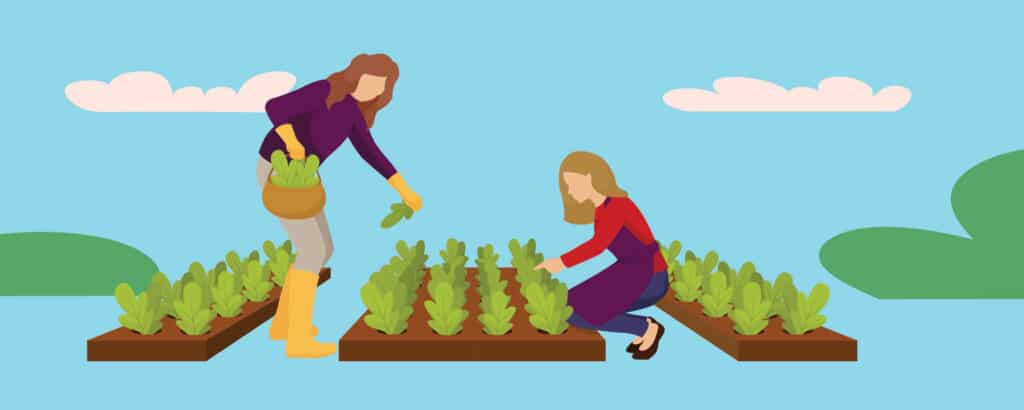
As long as you know the correct growing conditions, planting seasons, and watering needs for your vegetables, you should be able to plant your own vegetable garden with no trouble.
Why not start off with one (or more!) of the vegetables we listed as good options for beginners, and remember to leave enough space between them as you sow the seeds. If you follow the rest of our advice, you’ll be kept in fresh vegetables all year round.