
There's something about blueberries. They're sweet, juicy, and delicious in pies and jams - but they also happen to be one of the easiest berries to grow! In this post we'll talk about how you can plant your own blueberry bush, what conditions they like best (sunny or shady), when you should harvest them, and even how to make your garden a little bit more fun by planting them with other berry friends.
Interested? Read on!
How to Plant Blueberries
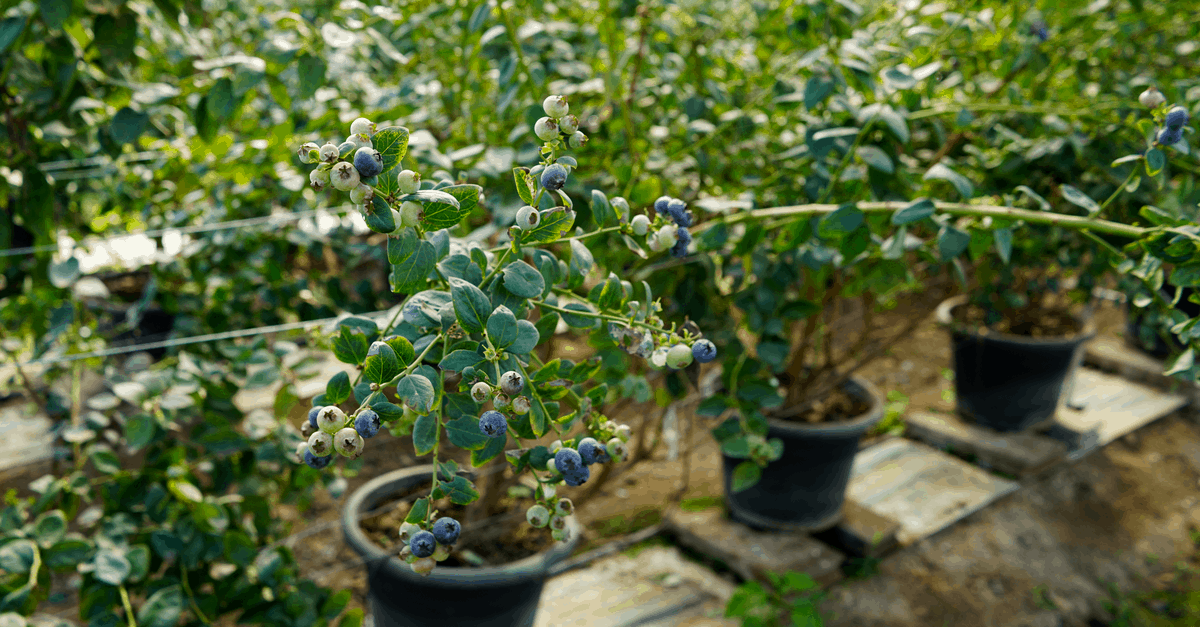
There are a few things to consider when deciding where to plant your blueberry bushes. First, you have the choice between sunny or shady locations. Blueberries prefer full sun, but they can also do just fine in partial shade. Second, give some thought to how tall your plants will get. If you're planting downhill from your porch or deck, it may be difficult to harvest blueberries while standing on the porch. If you have low-hanging branches on an evergreen tree near your garden bed, it might make more sense to plant bushier plants on the shady side of the tree.
First, you might be wondering how far apart to plant your blueberry bushes. A general rule of thumb is two feet between plants in a row and five feet between rows. If you're planting more than one row, make sure they're at least fifteen feet apart. Your best bet is for the soil to be moist but well drained - if you have heavier clay soil, consider mixing your garden bed with sand. If you don't have the luxury of planting on raised beds, build a mound and plant a blueberry bush every three feet along the perimeter of the bed to increase drainage.
How to Grow Blueberries
To get blueberries, you have to grow them! Care for your plant by giving it plenty of sun, deep but well-drained soil, and water during dry spells. We recommend fertilizing the plant in the early spring with a high NPK fertilizer—we like 10-10-10 or 20-20-20. The leaves should always be free of disease or pests. Prune away any suckers that grow from the base of the plant to keep it manageable.
Keep your bushes healthy by removing damaged branches and promptly removing fallen berries from underneath the plants to avoid fungal growth on the wet fruit. Remove overwintered berries in spring before new growth has started.
One way that this can be done is by using a leaf rake.
When blueberries have ripened, they are ready to be harvested. Here's how you tell when your berries are ripe:
Pick one and taste it if you dare - but don't worry about dropping on the ground because our chickens will gladly eat them! Blueberry bushes bear fruit for only two or three years, depending on the variety. At the end of their two or three year life span, blueberry bushes can be replaced with new ones so you'll always have a fresh crop coming in. That's why we recommend planting at least two blueberry bushes - one for immediate use and one for your replacement supply!
How to Harvest Blueberries

Blueberries are ready for harvesting when the fruit has turned dark blue. It is best to have a ladder or to use a step-ladder if you are harvesting from plants that are more than four feet high. Pick the fruit by hand and remove it from the stem to prevent damaging the bush.
The best time to harvest is in the early morning.
Blueberries are ripe when they're dark blue and slightly soft, like this:
You can also tell if your blueberries are ready by giving them a gentle squeeze; if they give under light pressure, then they're ripe!
What do Blueberries Taste Like
Blueberries have a sweet, tangy flavor and a slightly chewy texture. They also have a low glycemic index, so they can be eaten by people who want to manage their diabetes. Keep in mind that the taste and texture of berries vary from variety to variety.
How to Store Blueberries
If you're growing your blueberries in containers, then you should store them in the refrigerator. If you're growing them outdoors, just keep them cool and out of direct sunlight.
Alternatively, you can freeze your blueberries to enjoy them all year long. Simply rinse the berries and pat dry before freezing on a baking sheet in a single layer. When they're frozen solid, transfer to a sealable freezer bag for up to six months.
Be aware that frozen berries will have a different texture than fresh berries! They'll be more chewy and slightly less juicy when thawed out.
What are Blueberries Used For

Blueberries can be eaten raw and can also be cooked into things like turnovers and muffins. They're also often frozen to enjoy them all year round.
Blueberries can be used to make jams - one of my favorite recipes is blueberry and peach jam.
Blueberry pie is a favorite all around the region with many different variations. The most popular blueberry pie in the northeast is made with lemon juice and zest.
One of my favorite ways to eat blueberries is in cereal, oatmeal or pancakes. I like to put them on top before the batter is cooked so they stay firm and don't get mushy.
What are the Health Benefits of Blueberries
The health benefits of blueberries include the following:
- Promoting heart health by preventing ischemia (restricted blood flow)
- Prevention of cancer because they are rich in antioxidants like vitamin C and E
- Offering antioxidants to reduce damage from free radicals
- Prevention of type two diabetes
- Providing vitamin C, fiber and manganese
- Being high in phytonutrients like flavonoids that are known to prevent cardiovascular disease
Blueberries are a sweet, tangy fruit that grows well in the northeastern region. They’re often eaten raw or cooked into pies and jams. One of my favorite ways to eat them is on top of cereal before it's cooked! Blueberries also have many health benefits including promoting heart health, preventing cancer and diabetes, reducing free radical damage from antioxidants like vitamin C and E, providing vitamin C fiber and manganese as well as being high in phytonutrients such as flavonoids which help prevent cardiovascular disease.