
So, you’re planning to overseed your lawn and are about to hire a professional service for the purpose?
But what if I told you that you could do it the DIY way? Now, I know that some of my readers (especially first-timers) may fret about the preparation and watering, in particular.
At least, that’s what happened to me when I first decided to reseed my lawn on my own. Sure, it took me some practice and more research, but watching my lawn thrive without professional help made the effort worth it!
Hi! I’m Stacy, and today, I have prepared this guide on how long to keep ground wet for overseeding lawn areas. As a bonus, I have also included some other details about prepping.
So, let’s get started!
Why Is Overseeding Required?
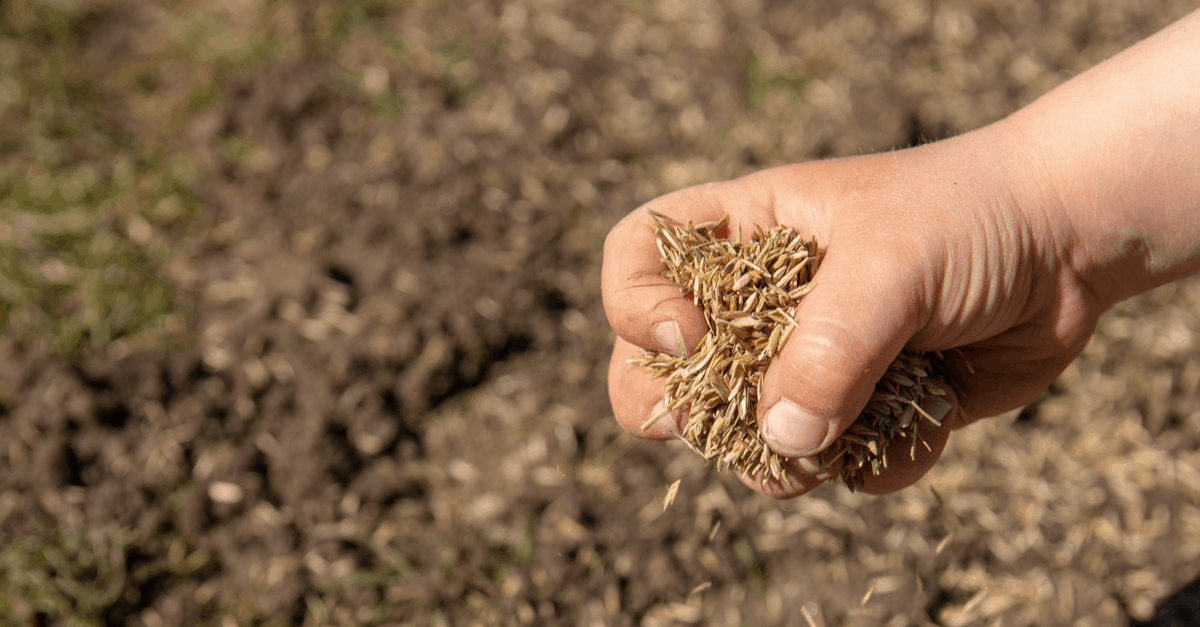
If you’re a first-time lawn owner and are wondering why overseeding is required in the first place, then let me walk you through the specifics of the process. In simple terms, adding grass seeds to your existing lawn enhances its color and helps create a thicker grass cover while introducing better grass varieties to your lawn.
In fact, it’s a great lawn care technique for the lawns that have suffered from drought stress or insect and disease-related damages. Apart from that, if you have noticed any other signs of damage, such as thin grass, bare patches, or faded grass color, then overseeding with new and more resistant varieties can result in a healthier-looking lawn.
Prepping The Lawn For Overseeding
Just because your lawn requires overseeding that doesn’t mean you can do it straight away. Proper lawn preparation helps the seeds sprout better, resulting in luscious and healthy-looking grass. And undoubtedly, watering is a vital part of the process. But before talking about that, let me briefly describe the initial steps to ensure correct lawn preparation.
Step 1: Choosing The Right Grass Seed
Before anything else, you’d want to pick a suitable grass variety. In this regard, remember that not all varieties are meant for your lawn.
One way to buy the best grass seed for your yard is by ensuring that it will thrive in the climate of the said region. For instance, cool-season grass varieties (like Kentucky bluegrass, perennial ryegrass, bentgrass, tall fescue, etc.) grow best in areas that have temperatures between 60 and 75 degrees Fahrenheit in spring and fall seasons.
Likewise, warm-season grass (like Bermudagrass, zoysiagrass, centipedegrass, St.Augustinegrass, etc.) grows best in regions where the temperature reaches at least 80 degrees Fahrenheit in summers.

- Kentucky 31 Tall Fescue is the original turf for your home
- Provides a durable, economical lawn
- Thick blades of grass stand up to hot summers and heavy rains
Step 2: Test The Soil
To give the seeds the ideal growing environment and soil foundation, it’s extremely important to test the soil. This will give you a good idea about any missing ingredients or if the pH is off balance. Otherwise, if you plant the seeds in a nutrient or pH-lacking base, even the most expensive varieties will fail to thrive.
If you have applied a weed killer or pesticide, wait for at least a month before overseeding.
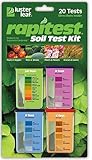
- Quick, at home results for Soil pH, Nitrogen, Phosphorous and Potash Innovative and inexpensive soil test kit features an easy-to-use capsule system and patented color comparators
- Contains all components needed for 20 tests. 5 for each of pH, N, P and K
- Contains all components needed to test all variables in several spots in the yard or garden
Step 3: Mowing The Lawn
A crucial step before overseeding is mowing the lawn with the lowest setting on your mower (1 to ½ inches). But if the grass has grown too thick, it may be better to aerate the lawn and fill in the patches. For the latter, make sure to remove any thatch and dead grass before spreading the seed in those areas.
When mowing, make sure to bag the grass clippings and keep the lawn clean so that the new seeds can make maximum contact with the ground. Post-mowing, rack the lawn well to eliminate any remaining debris or thatch and loosen the top-most layer of the soil.
How To Water The Lawn?
With everything done, it’s now time to water the lawn. One important thing to note here is that you may water the lawn regularly as you’d normally do before overseeding. Ideally, it’s recommended to water it at least a day before overseeding. This will ensure that the soil absorbs the necessary moisture without becoming soaking wet.
Furthermore, you’d want to factor in the existing moisture content from rain or snow. On that note, here are two simple DIY methods to check the moisture in the soil.
The first method is to push a screwdriver or wooden stick down the ground up to 6 or 8 inches. If there’s no significant resistance, the moisture level is pretty adequate. Otherwise, water about 1-inch of the topsoil and repeat the test. This should get the job done.
For the second method, pick a handful of soil and try making a ball. If it falls apart, the soil is too wet. In that case, wait for a couple of days for the soil to lose some of the moisture through evaporation. When the ground is sufficiently moist, go over the grass with a core or manual lawn aerator to create tiny holes for the seeds to settle in nicely.
How To Water Post-Overseeding?
Once the seeds are in along with the starter fertilizer, water them immediately for 5 to 10 minutes to moisten the first few inches. But be careful not to wash them away.
Continue watering twice a day regularly until the seeds germinate (which can take up to two weeks). However, if there’s rainfall, you will have to adjust the watering schedule accordingly. Upon germination, water every few days and give it a good soak.
In hindsight, the watering schedule post-germination becomes less frequent and more thorough. A good practice is long morning watering sessions (between 6AM and 10AM) and decreased evening watering. When the new grass reaches the height of the existing grass, water it according to the requirements of the particular type you have opted for.
Summing It Up
With that, it’s time for me to wrap up my guide today.
I hope I could answer all your queries on overseeding and related watering techniques. But before taking your leave, here’s another very important pro-tip: reseed your lawn strictly in accordance with the best “planting time” for that particular variety.
Furthermore, keep an eye on the weather forecast to avoid overseeding during heavy rain or snow. And while the new grass is still growing, reduce foot traffic or any such activity.
I’ll see you with more such content. Till then, happy gardening!