
Imagine planning a special day when you can finally wear those new boots and then spending the entire time trying to prevent heel slippage.
It can be disastrous, and you might not enjoy your time at all. I had once tripped and fell due to heel slippage, and since then, I have been looking for solutions to fix the issue.
Now, breaking in a pair of new shoes before wearing them may seem like an obvious choice. But while discussing this topic, my friend Angie told me about several other effective ways that I can employ to prevent heel slippage in boots. She started by explaining to me the different reasons behind this problem and proceeded to provide solutions for each.
Hi! I am Stacy Smith, and today, I will take you through everything that Angie told me. This guide should help you make better decisions in the future and will definitely prevent you from getting hurt. Plus, most of these methods are inexpensive, so rest assured that you don’t have to break the bank.
Grab a comfortable seat and read on!
What Leads To Heel Slippage In Boots?
1. Worn Out Shoes
If you have worn-out shoes that have damaged insoles, then that can cause you to slip. As the shoes wear out, they do not fit well and often loosen up more than required. This may prevent you from walking normally and can lead to heel slippage.
2. Newly Bought Shoes
You must have noticed that new shoes or boots, in particular, don’t have much flexibility and are often very rigid. This is mainly due to low elasticity, and the shoes take time to adjust to the feet.
3. Sweating
If your feet tend to sweat a lot, then it will be one of the leading causes of heel slippage. In this case, the moisture will hamper the friction between the socks and shoes to affect the hold or grip of your feet.
4. Improper Lacing
Some people have the tendency to tie their shoelaces very tightly, and that could lead to heel slippage. Remember that the boots need to fit your feet just right, which means tying up the laces firmly but not too tightly.
5. Size Of The Boots
My friend Angie keeps telling me that the size of the boots is extremely important and plays a major role in preventing boot slippage. If your feet are smaller than the shoes, then they can easily move around inside, causing the boots to slip off. This happens because of a lack of support for the feet.
Likewise, if your feet are larger than the shoes, there will be less surface area. As a result, you will not be able to move your feet around easily. This could again cause slippage, and hence, you need to be careful about the size of the shoe.
6. Awkward Walking
Walking awkwardly while wearing boots can put excessive undue pressure on the front and the middle of the foot, making it lose the grip on the shoes. Besides, if you land on the middle of the feet on an uneven surface, then you may experience extreme pain and discomfort.
How To Fix Heel Slippage In Boots?
1. Learn The Right Method To Lace Shoes
This is something that you will need to learn when purchasing shoes with laces. The most common method is the bunny ears method that is used by most people. Others have used the surgeon’s knot method too, and you can learn both these methods online.
Furthermore, laces can loosen up over time, especially if you are hiking or running. However, you can get lace anchors that will keep the laces in place while you go about these activities.
2. Get New Insoles
If your boots are old and the insoles have worn out, you can try replacing them. You will be surprised by the change in the shape and firmness that will happen almost immediately after inserting new soles.
3. Settle For The Right Size
Angie has strictly recommended me not to purchase boots online as the size may not be right. Hence, it is best that you buy them from physical shops after trying them on to get the perfect fit. Otherwise, only purchase from online stores that offer replacements in case you receive the wrong size or the fit doesn’t feel right.
4. Use A Tongue Pad
If you feel that the shoe is slightly bigger than your feet, use a tongue pad to fix it. Angie told me about this accessory that is placed at the underside of the tongue in boots. It will also push the shoe a little backward towards the heel, and that would aid in preventing heel slippage.
5. Use Heel Grips
Heels grips work very well in preventing the heel from slipping. They are used to cover the extra space inside the boots, especially if they are too long.
6. Choose The Right Socks
Thick socks work very well with boots, as they absorb sweat as well as maintain the friction between your feet and the insoles. You will also find slip-resistant socks, which are specially designed to keep the feet in the right place.
And here’s a pro tip: once you put on the socks, apply a little hair spray. This will keep the feet firmly in place for prolonged periods.
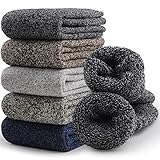
- [HIGH QUALITY MATERIAL]: These mens socks are knitted with good quality merino wool, nylon and spandex for high elasticity and lots of softness. Feel soft and comfy after you get your feet in. Hiking socks men have a great relief of foot pressure.
- [TOASTY WARM]: Thickened material contributes to strong thermal function. Each comfortable pair of wool socks mens like a stove during cold and chilly winter, keeps your feet warm and cozy all winter long. Your feet will thank you later.
- [BREATHABLE]: Still bothered by the sweaty feet because of outdoor sports? SIMIYA mens hiking socks made of merino wool feature good air permeability and moisture absorption, keeping your feet dry and comfortable during exercise. Bye bye wet and smelly feet!

- All-Day Comfort: The HEX-COMB mesh with cushioning on our WORK socks provides all-day comfort, reducing foot fatigue and allowing you to stay focused on your job. And with their affordable price point, our WORK socks offer excellent value for money, making them the perfect economical choice for anyone who needs high-quality work socks.
- DRI-WIK Moisture-Wicking Technology: Our proprietary DRI-WIK technology wicks moisture away from your feet, keeping them dry and comfortable throughout the day. This helps to prevent blisters and other foot-related problems, ensuring that you can focus on your work without distraction.
- TGTD Reinforcement: Our WORK socks feature reinforced heel and toe areas, providing extra protection and support where you need it most. This added durability ensures that your socks will last longer and provide better value for your money.
Final Words
That’s it for today.
As I have already mentioned, walking the right way will also go a long way in preventing heel slippage. If you are walking on jagged or rough surfaces, then place your heels first so that they don’t slip or move out of place.
Other than that, try to keep the insides of the boots dry and free from moisture. I lay out my boots everytime after wearing them so that the insides can dry up well.
On that note, I have reached the end of the guide on how to fix heel slippage in boots. You can let me know about any doubts in the comments section below.
Bye and take care!