
Having gardened for so many years now, I still can’t stand the thought of drooping plants!
And if you’re a first-time gardener, I can only imagine your plight! So, when my son told me that the plants in his grow tent are affected by low humidity, I decided to help him out in every possible way.
Since I don’t own a grow tent, I had to rely on online sources to find the right solution. But to my utter dismay, I couldn’t find anything substantial. After spending a couple of days with no fruitful results, I got in touch with my friends who had the required experience. Talking to them really helped my cause, and I wasted no time documenting everything properly.
Hi! I’m Stacy. And today, I’ve curated this guide on how to increase humidity in grow tent. Without further ado, let’s dive in!
Basics About Humidity
Before I get into the details, I thought it’d only be fair to talk about the basics of humidity in a grow tent. As you may already know, indoor gardening (like that in a grow tent) primarily pertains to relative humidity (RH). It’s the amount of water in the air versus the maximum water that the air can hold at a given temperature.
Generally, the RH count shouldn’t be lower than 20% and higher than 75% at any time. In that sense, if you have a 4 x 4 grow tent, the RH should be at least 40%, while in a 5 x 5 grow tent, the minimum RH should be nearly 65%.
5 Ways to Increase Humidity In A Grow Tent
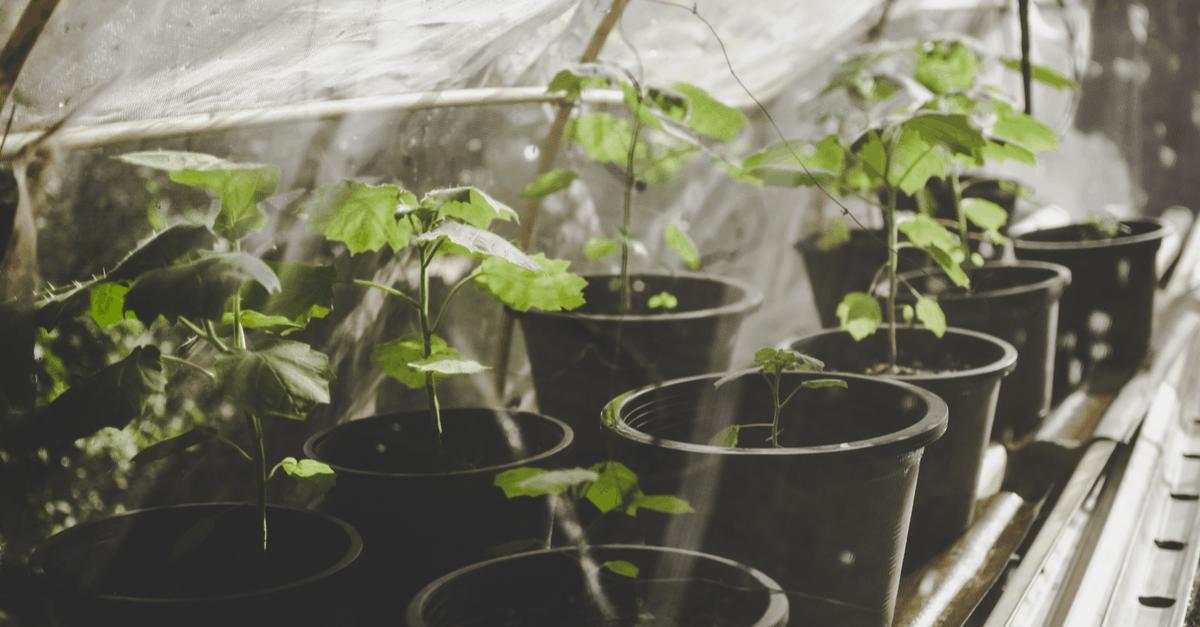
Now that you have an idea about the RH, let’s take a look at some ways to increase the humidity in your grow tent.
1. Combining Young And Mature Plants
One of the simplest and most effective ways of increasing humidity lies in the misconception that larger plants take light, nutrition, and air from their younger counterparts. On the contrary, larger plants elevate humidity in a grow tent due to more respiration. This increased respiration also releases more carbon dioxide and water vapor into the air, which can be used by the younger plants.
2. Hanging Wet Towels Or Setting Water Trays
An inexpensive DIY way to increase humidity is by hanging wet towels or placing water trays near the air intake tubing or passive air holes. The water from the towels and trays will form mist on the walls, allowing the air to absorb large amounts of moisture, thereby increasing the relative humidity.
Furthermore, the number of towels or trays will depend on the size of the grow tent. However, the towels may dry up faster, so you have to drench them frequently. Similarly, the water tray may require more time to increase the relative humidity.
To speed things up, you can boost the water sources with, well, more water sources. For instance, you can put some damp sponges around the growing trays and spray some water on the walls of the grow tent every morning and evening. The heat from the growing lamps or the air-conditioner will gradually evaporate all the water to add more humidity.
Make sure that the water is clean to prevent the formation of harmful bacteria and fungi. Likewise, keep water away from any electrical equipment to avoid short circuits.
3. Using A Humidifier
Having a humidifier in your grow tent is perhaps the best way to control its humidity. It will aid relative humidity levels by extracting the cool mist from the interior. I’d strongly recommend buying a humidifier that can hold at least 6 gallons of water with a long run time.
Depending on the size of the grow tent, the humidifier should be set at a minimum of 50% to 65%. Besides, you’d want to position it in a way so that the grow lights are kept away from the direct mist of the humidifier.
Remember not to leave it on full power, as that can lead to excessive moisture accumulation. A built-in humidistat solves this problem by automatically shutting off the device when the desired moisture level is reached.
4. Using Propagators
If you have started with seedlings, then you’d definitely want to increase the moisture content. The baby plants will start growing their root system, which is best achieved in high humidity (between 70% and 75%).
A propagator, along with a polythene sheet or glass covering, will keep the seeds from drying out by maintaining the required humidity. This prevents any undue stress on the root system during the initial growth stages.
You can even build a propagation setup using an adjustable extractor with an integrated thermostat, which controls the temperature by pulling out air. Next, place a bucket of water on the grow tent and use a hosepipe to transport it into the humidifier, which will extract the cool mist to increase the relative humidity. This method works best for cuttings and seedlings.
5. Having The Right Setting On The Extraction Fan
Ventilation impacts the air inflow and outflow in the grow tent to influence the humidity. But having proper ventilation is easier said than done. Too much ventilation will hasten the air circulation that won’t allow the tent to become humid enough. Similarly, if the ventilation is too low, it will trap the air and temperature, making the humidity go through the roof.
That’s why you’d want to have adequate air circulation, which will also prevent mold and bacterial growth. Ideally, the fans should operate at moderate speed (around 60%) to conserve the right amount of moisture for different stages of plant growth. Alternatively, you can reduce the number of fans to increase the relative humidity in the tent.
No products found.
Summing It Up
Hopefully, I have provided you with enough answers on how to increase humidity in grow tent.
As they say, gardening is no cakewalk! So, you may have to try more than one method or combine a couple of them to get the desired result. But before everything else, don’t forget to invest in a good hygrometer to keep an eye on the moisture level at all times.
With that, it’s time for me to say goodbye. Do come back for more such content. Till then, happy gardening!