
Self Watering Planters
This is the most comprehensive guide on self-watering planters… ever. In this guide, you’ll learn everything you need to know about how a self-watering planter works, and how to successfully grow plants in your new planters.
With time becoming more precious than ever or if you are one of those people that have trouble keeping plants alive this is likely the solution for you.
The question is are you ready to save some time and grow some great plants? Well, that’s where this ultimate guide comes into play.
Hi! My name is Stacey.
I have been living in Texas most of my life and really enjoy hanging out on my patio. I really like looking at the different colors of the plants in my flower pots. Then I started spending more of my time volunteering down at the community center and was having trouble keeping my plants alive.
I just recently discovered the self-watering planter and it has been a life-changer.
How?
Well by using self-watering planters around my front porch I get to still enjoy the colors of the plants without consuming all the time.
Quick Browse this Guide
What are self-watering planters?
So what is a self-watering planter? It sounds like a planter that will water itself but that is not 100% true. What it does do with its self-watering feature is allows you to water your plants less frequently.
There are plenty of different planter options you will be able to choose from but the basics will always remain the same. This type of planter features self-watering via a water reservoir that you will need to fill every now and then.
Let’s examine how self-watering planters work.
How do self-watering planters work?
There are three primary styles of planters that can be used.
One type has a “wick” that is placed inside the planter with one end in the water reservoir and the other end in the potting mix. This “wick” can be made of a variety of different materials for the system. All the “wicks” work the same though. They suck water out of the water reservoir and the system delivers it to the potting mix.
Self-watering planters come in another style where a section sits inside the water reservoir which will place your potting mix in direct contact with the water. Water from that sub-irrigation system is pulled up into the rest of the planter through capillary action. This is one of the most common planter pots you will find.
The third type of self-watering container gardening planters has a perforated separator between the water reservoir and the planter. The potting mix is never in complete contact with the water below. This planter works using evaporation from the water reservoir to moisten the soil at the bottom of the planter and spread through the entire container. It is one of the least effective designs but we have found some hanging baskets it works well on.
How to use a self-watering planter?
These planters are very easy to use and are super friendly to your plants when used properly. If you live in a hot climate as I do in Texas you know sometimes you have to water your plants twice a day to keep them hydrated. What if you only had to water your plants every week? Would you have better success at keeping your plants alive?
There are some great brands like TruDrop Planters who offer great customer service with an easy email address you can send your questions to if you have any concerns. In our hot climate, we live in we were able to go two-three weeks without adding water to our plants. The water level indicator would hardly move.
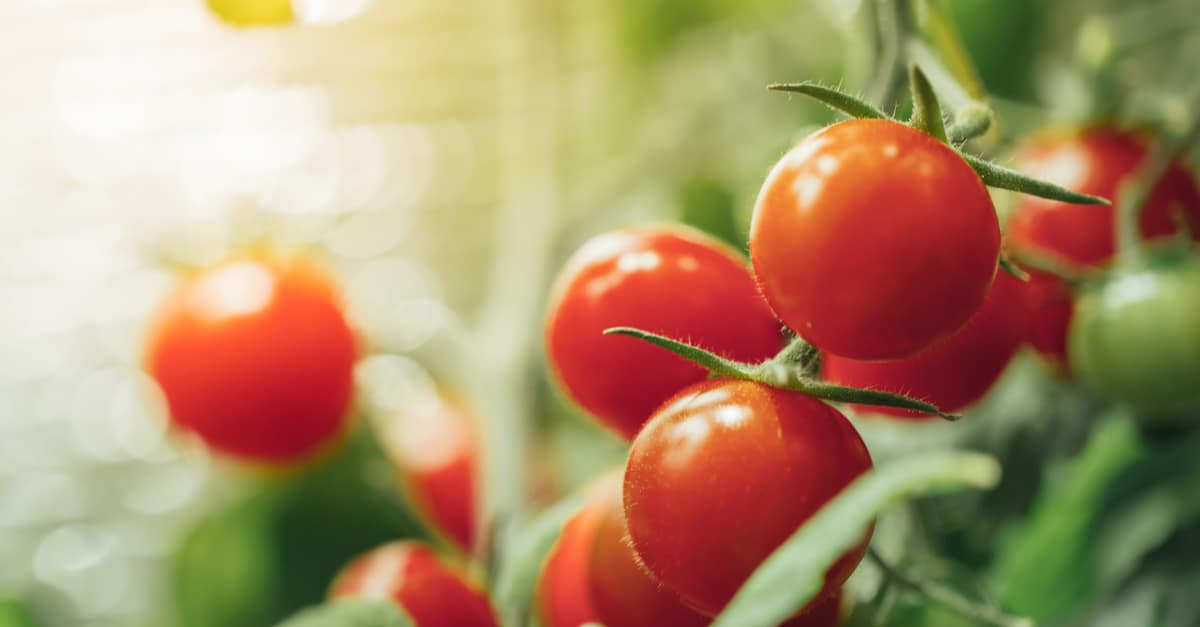
The consistency you get as one of the planter features is especially helpful for your plants that do not like inconsistent watering. Tomatoes I am looking at you! The yield you will get using self-watering planters will blow your mind. We tried out the Vegepod for our lettuce and tomatoes and the plants really enjoyed it.
Some plants of course will not do well in self-watering planters, mostly plants that are not fans of having water all of the time. Plants we would never plant in a planter such as this would be cactus and succulents.
These planters make super-efficient use of water. Instead of water directly evaporating into the air, it goes directly to the plant roots. If you were to use a spray bottle to water your plants or watering can the water goes into the soil and on the leaves of the plant just to be evaporated by the sun later.
There are some plants that do not do well when their leaves get wet with water. These plants will get fungal diseases when their leaves get wet. The self-watering container takes care of this since the leaves will never get wet keeping your tomatoes and phlox free of diseases.
How to set up your self-watering planters?
Now would be a great time for a video about this type of planter.
Don’t like videos. Don’t fret. Just keep reading.
Set-up will change from planter to planter and sometimes they will be set up with delivery.
If you have to go through the process here are some general tips on setting up your self-watering planters.
Step 1: Put all the parts into your planter in accordance with the instructions that came with your specific self-watering system.
Step 2: Put any kind of moist potting soil mix into the planter container. Do not use dry potting soil.
Step 3: Pack your potting soil into the bottom of your planter. This is where the water will saturate the roots. If your planter is using a wicking system make sure the wick comes in contact with the water reservoir and the potting soil. Follow the directions that came with your planter.
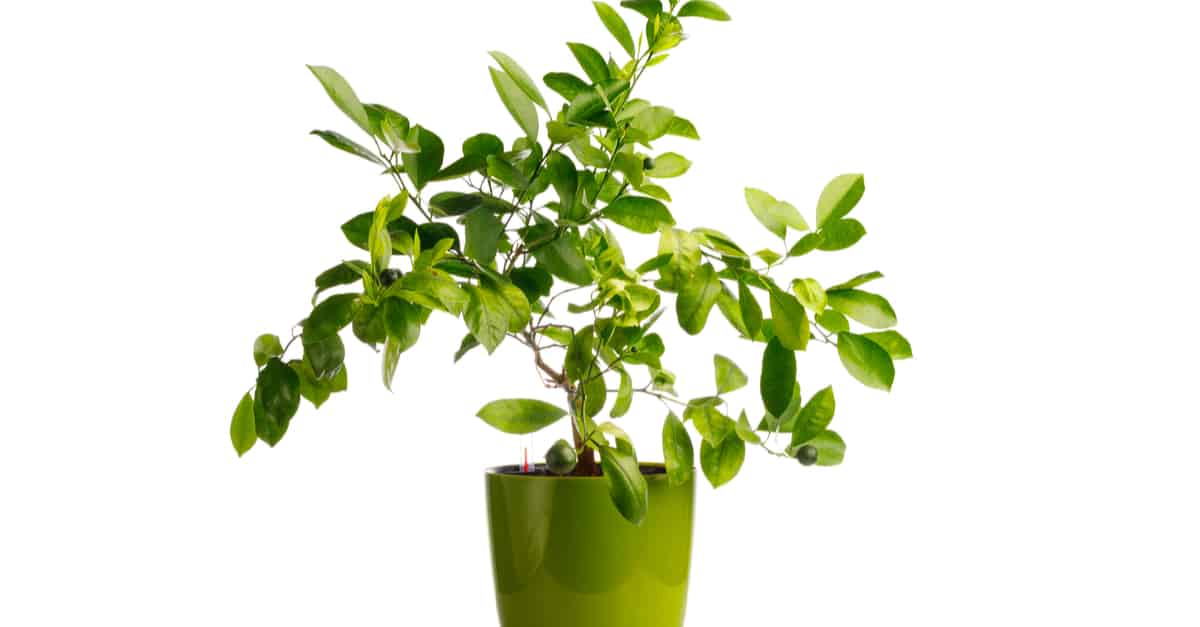
Step 4: Plant your favorite plants in the container! We enjoy lemon trees. Make sure not to compact the potting mix too much but it does need to be firm so the plants are well supported.
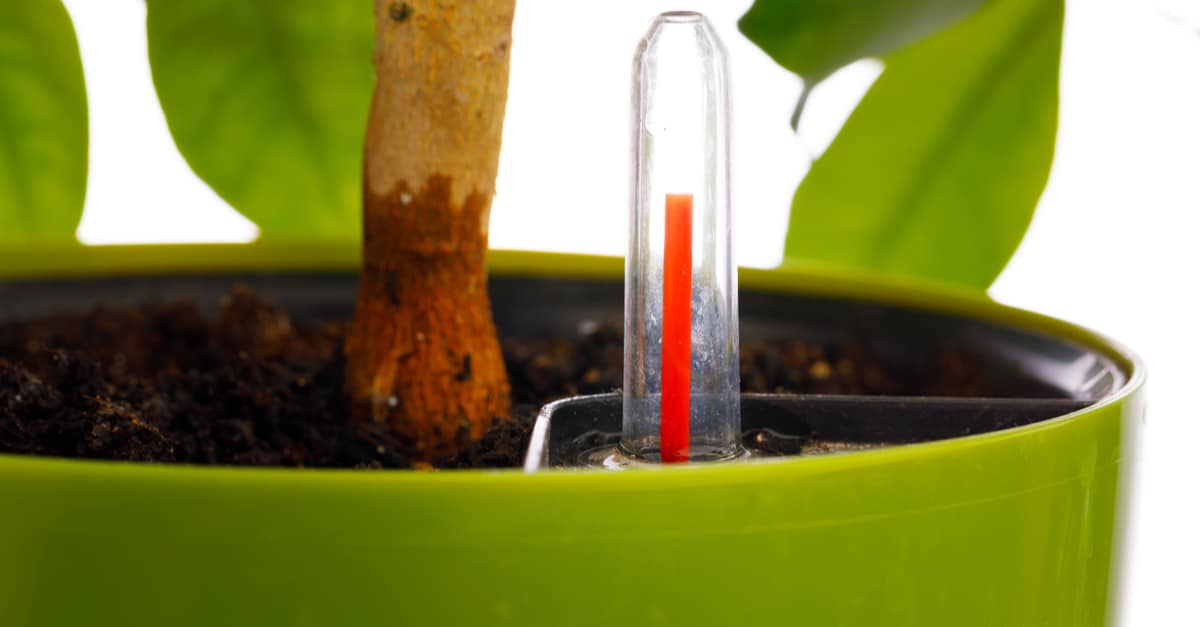
Step 5: For the first watering you will water from the top. After that, you will just use the water injection port. Be careful not to pour in too much water but if you do you should see water come out your overflow drain via the drainage holes. Watch the water level indicator to know when enough water has been added.
Step 6: Wait for a bit while the water soaks through the potting mix to the water reservoir. Then use the water injection port to add more water if needed. Fill the reservoir completely. Do not worry about the details of how much water as there is an overflow hole that will let water drain if needed.
Step 7: Refill the water reservoir as needed. You can check the water level indicator weekly to see if the water level is low. Never let your self watering planters run out of water. If you ever add new potting soil to the planter make sure it is moist as dry soil will not wick.
What to do with my self-watering planters at the end of the season?
We hope everything went great. Maybe you tried the new Lechuza planter or got a great window box planter. Regardless of if you were using window boxes or hanging baskets the process for the end of the season is going to remain the same.
Remove the potting mix from your planters at the end of each year. You can save and reuse your soil if you desire. Make sure to clean out the water reservoir. Roots tend to grow down towards that area and can clog or block the wicking mechanism in the planter.
If you live in a cold climate make sure all the water is out of your planter by opening all the drainage holes. Any water leftover inside the planter may freeze and cause the planter to crack.
Bestselling self-watering planters?
Self-watering containers come in so many different styles and brands. You can get window box planters. Hanging baskets are pretty cool too. It really depends on what you want to plant and that will determine what kind of products you should be looking at. We have broken down a list based on different uses to make your buying decisions easier.
Most Attractive Self-Watering Planters
If you are looking for a great planter that you can use indoors or outdoors this is the ticket. It looks at works flawlessly. We are a huge fan of Lechuza. Enter your text here...

Best Self-Watering Planters for Vegetables
You may need a bit more utility when you want to grow vegetables. Here are some products we have had the best success with when growing items we like to eat.


Large Self-Watering Planters
Of course, you have your larger projects too. We love planting trees in the larger boxes.

Huge Water Capacity
If you are like me and are always forgetting to water your plants you may value having a huge water capacity. We mentioned TruDrop earlier in the article and we have been able to go close to three weeks between watering with their large rim planter.

How to make a DIY self-watering planter?
Of course, you can build self-watering planters yourself. If you would like to cheat the easy way to do so would be to pick up a pot reservoir for your current planters to turn them into a self-watering system. Here is our favorite by GroTech.

Ok, maybe you were looking for a little more of a hands-on approach. We found this video that goes over everything you need to know about building your own self-watering planters.
Maybe you prefer to read so here we go. You will need the following tools to build your window box planter.
Tools Required
You will likely want to budget a few days to build your planter and are looking at $99 - $300 in cost to build your own.
I am not the best at buildings things and the last time I made the attempt I really messed up on the drainage holes. Check out this guide on how to build your own.
FAQ - Self-Watering Planters
You have made it this far and still, have some questions about the system. So let’s visit some of the most common questions we get asked about these planters.
Do they work?
Yes, these planters work great. They are really good for anyone that values conserving water or anyone that has trouble keeping their plants alive due to an inconsistent watering routine.
Do they cause root rot?
If your planter does not have drainage holes or an overflow hole you do have the potential for some root rot. Make sure the planter you buy has drainage holes for any excess water added.
Are they worth it?
Yes, we think so. My plants were always dying due to inconsistent watering. Now I can enjoy my plants even more and not need to worry about them all the time. They are also great when I leave town as I can just fill them up with water before I go and they will be fine if I am gone for only a week or two.
What do they do?
Well through the power of some kind of wicking technology or immersion the planter is able to keep the soil moist at all times allowing your plants to thrive without the worry of a consistent watering routine.
Which planter is best for me?
That really depends on what you are doing. They make window boxes, hanging baskets, pots, and many other styles that have easy delivery right to your home.
It really depends on the items you are going to be planting in the container and that will dictate the kind of pots you will need to pick up for your plant. You have options for your living room if you are growing inside or outdoor solutions if you want to grow trees or flowers.
Where can I buy these products?
These pots can be found at any large hardware store, Wal Mart, and select online vendors. Most online vendors offer super fast delivery.
Where are the instructions?
We mentioned some basic steps above that will apply to all the different planter systems. It is best to consult the instruction book that came with your planter. If anything just remembers these quick tips.
Always use moist soil.
If the system uses a wick make sure it makes contact with the water and the soil.
Make sure the water level indicator displays that there is water in the system.
Can I use them inside?
Yes, they make these flower pots for your living room or kitchen. Really any room in the house will work that gets adequate light. You of course can also purchase outdoor systems for larger gardening projects like growing tomatoes or lemon trees. These planters are very versatile and you will be able to find a style that works for you.
Wrapping things up…
In this guide, we looked at everything there is to know about self-watering planters. From how they work to having the best success in growing plants. We even briefly touched on some gardening tips and how to make a DIY self-watering planter out of bottles for your home.
What kind of planter are you going to get? What kind of plants, vegetables, or trees are you going to grow? Have you ever used one of these planters and have a tip you would like to share? We would love to hear from you.
Now it’s your turn: Which of these tips are you going to try first?
Leave a comment below to let me know.