
I recently purchased a set of extremely functional flood lights for my garage and was excited to install them. Here is a walkthrough of the installation process.
Flood lights can be an excellent source of bright light, which help you increase the night-time security of your home. Since I often spend my weekends alone, I purchased a few functional flood lights to illuminate several portions of my home. Not only did they provide excellent outdoor lighting, but they also gave me enhanced peace of mind.
In this short guide, I will tell you how to install flood lights in your home. The process is fairly straightforward and does not require professional help in most cases.
So, without further delay, let's begin!
How To Install Flood Lights
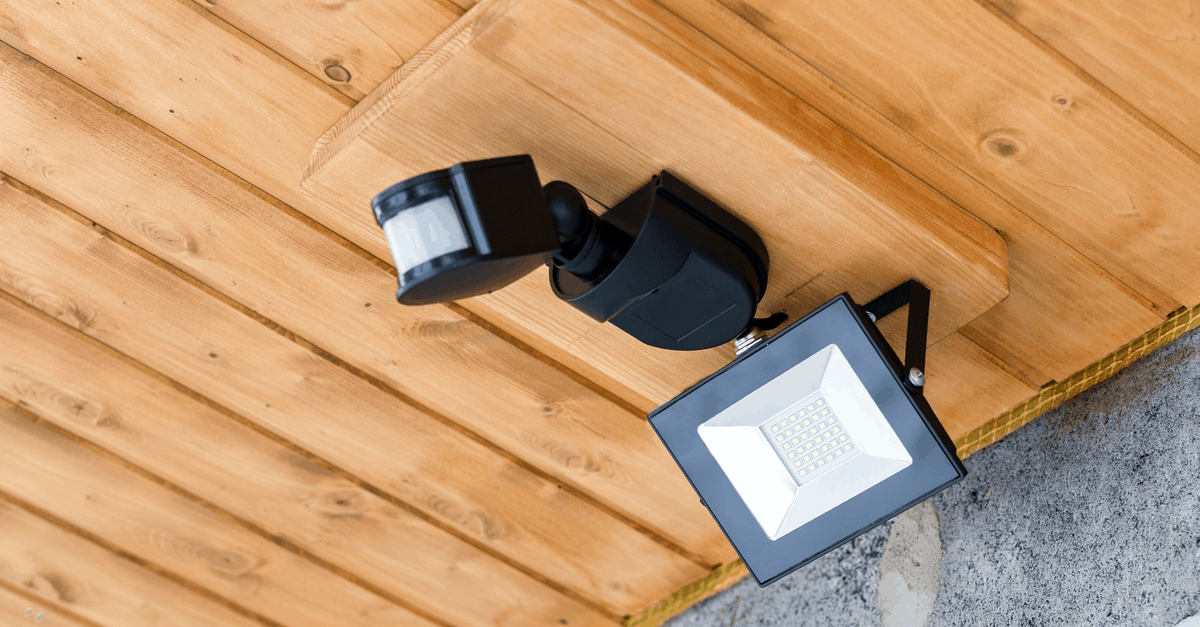
I had something very specific in mind when looking for outdoor flood lights. First off, I was looking for a way to increase my sense of security during the nights I am home alone. Several flood lights in the market offer excellent features, which intrigued me, and I wanted to test them in my home.
I purchased excellent motion sensor flood lights for my garage and patio, as these were sure to alert me in case an intruder was passing through the front entrance of my home. The installation process was convenient and relatively simple. Here is how I installed the LED flood lights in my garden.
Step 1 - Choose The Location
Before starting the installation process, you need to figure out where to install your new flood lights. As for me, I opted for an excellent set of colored flood lights, which I wanted to install on my patio.
Moreover, these flood lights were motion activated and had a fantastic technology that would alert me through an app on my phone if there was an intruder. This greatly enhanced my peace of mind, and I felt more comfortable on my nights alone.
I also decided to order a few more flood lights with other features that I installed in other places of my home. I opted for a great set of dimmable flood lights, which I wanted to install outside the garage. Once I decided where I wanted to set up each product, I was ready to move on to the next step.
Step 2 - Turn Off The Power
Safety is of utmost importance when installing a new device that uses electricity. To ensure total safety of your home, it is imperative to take certain safety measures and precautions before you begin the process.
The first thing I did was turn off the power source in my installation area - which was my garage and patio. I looked for the fuse box located in the basement and turned off the switch for the areas. However, it doesn't end there.
I wanted to be sure that the power was turned off, so I walked over to my garage, plugged a radio into a power source, and tested it. The radio did not turn on, which assured me that there was no electricity in the garage. That said, you may use a voltage tester to test the appropriate wires.
Step 3 - Remove The Existing Light Fixtures
You may or may not have existing light fixtures in your installation area. If you don't, you may essentially skip this step. However, I had some old light fixtures which were less efficient than my new ones, so I decided to replace them with power-efficient and cost-efficient solar flood lights.
I did this by carefully unscrewing the current light fixtures from the electrical outlet. I used a standard screwdriver to do this, but you may use power tools if you wish. Once I removed them, I used the voltage tester against the exposed wires to re-check if the power was off.
Furthermore, it is essential to check if your electrical wiring is up to code. Since I had recently renewed my electrical installation permit, I knew everything was up to date, and I could move on to the next step.
Step 4 - Wiring The New Flood Lights
Since I opted for motion sensor flood lights, I needed to install them at least 9 feet above ground level. This is the ideal recommended height for motion sensor flood lights to work optimally, so be sure to check this if you plan on installing some.
I read through the manufacturer's manual carefully to acquaint myself with the installation process. I began by placing the new flood lights against the electrical outlet and carefully attaching the mounting strap. Once I installed it in the right place, I began the wiring process.
Using electrical tape and wire connectors, I matched the wires of the flood lights with the wires of the electrical circuit in my home. This step is crucial and must be done very carefully. If you are unsure about the process, I recommend calling a professional electrician for this step.
Step 5 - Installing The Flood Lights
Finally, I was ready to install my new flood lights. I ensured that all the wires were connected securely and then proceeded to screw the flood lights on the mounting strip. Next, I twisted the light bulbs into the appropriate fixtures.
Step 6 - Sealing The Junction Box
For an added precaution, I always make it a point to seal the junction box safely. Any amount of water or precipitation can damage the junction box and wiring. Moreover, it can be extremely hazardous and cause unnecessary accidents.
I used waterproof silicone caulk and sealed the wall plate using my caulking gun. Since I have been installing most of the new devices in my home on my own, I was familiar with the process of wiring and caulking. However, if you feel that you aren't comfortable, feel free to call a professional for help.
Alternatively, you may also check out informative articles and guides online to acquaint yourself with the caulking process. It is a relatively straightforward process and will ensure that the junction box and electrical wires are safe from water damage.
Step 7 - Testing The New Flood Lights
Once I completed the final step, I was ready to test my new flood lights. I was excited for this step because I spent a lot of time researching the best product for my needs before I came across these.
Of course, I needed to let the solar panels charge for an entire day before fully utilizing the flood lights at night. I was fairly patient and waited for it to charge. Meanwhile, I took the opportunity to install a couple more flood lights in other places in my home. Since I was comfortable with the process, it took me less time to complete the installation.
However, I decided to test the lights once before allowing them to charge fully. I did this by turning the power back on in the fuse box. I located the switch for the garage and flipped it to the 'ON' position.
To test the motion sensor technology, I waved my arms slightly under the flood lights. Voila! They turned on automatically, and I was thrilled to see that they were installed correctly. Moreover, the brightness level seemed adequate for night-time use.
I also tested the different color options on the colored flood lights installed on my patio. It's safe to say that I was excited to begin using them regularly at night.
How To Troubleshoot Your Flood Lights
Fortunately, I did not face any issues with the installation process and testing my flood lights. However, if the flood lights do not turn on after you have completed installation, you may need to troubleshoot them.
Begin by switching off the power and re-checking the wiring. In case you do not find any apparent issues, you may call a technician for professional assistance. Remember to angle the bulbs correctly as per your requirements, as it will help achieve optimal results for the area you wish to cover.
Furthermore, suppose you buy advanced flood lights like mine. In that case, you may want to go through the manufacturer's instructions to set up features like the timer, dimmer switch, color options, sensitivity levels, and other smart features.
Final Words
Installing my new flood lights was an exciting experience, and I was thrilled with the results.
When you install flood lights in your home, be sure to take all the necessary safety precautions. I recommend calling a professional if you are not entirely comfortable or acquainted with the process, as it will help you avoid any unnecessary issues or accidents.
With that, I have finally reached the end of my guide. I hope you enjoyed walking through the process of how I installed the flood lights in my garage and patio. I used the same process to install more flood lights in other areas of my home.
However, you should always read the manufacturer's instructions carefully before you begin installing a new product.
Stay safe!