
Staining is one of the most effective ways to add a touch of depth and warmth to the floor and beautify the overall room décor.
As such, choosing the right one is a must. So, last week I decided to stain the floor of my living room as it had been quite a while since I last did anything to revamp the house.
Moreover, my elder son and his girlfriend were coming to visit me after 2 years, so there were all the more reasons to make the living room look elegant. However, it was all on my shoulders to carry out the entire thing, as my husband was busy with work in Albuquerque.
Now, even though I had painted a lot in the past, I didn’t have enough knowledge about staining. Confused, I called my husband for help when he told me everything I needed to know about staining floors.
Furthermore, he even suggested two popular options for me to try - acid stains and acetone dyes. Hi! I am Stacy Smith, and today I will be telling you all about these two concrete coloring options.
Acid Stains Vs Acetone Dyes
You will find a wide variety of shades and hues in both acetone dyes and acid stains. Even though both these materials are known to be extremely practical options for staining floors, they are poles apart when it comes to their functionality.
So, it’s imperative for you to understand the major differences between the two to choose the best option for your projects. Now, without further ado, let’s jump right in!
What Are Acid Stains?

- Wide range of colors and shades to choose from
- Penetrating chemical stain
- Variegated color

- Decorative Concrete Color Made Easy: Create rich, translucent color effects on concrete, cement, and masonry surfaces using a water-based concrete stain and dye designed for decorative applications.
- Water-Based & Low VOC Formula: Low-odor, water-based concentrate is safer to use than acid stains and solvent dyes — ideal for indoor or outdoor concrete projects.
- Customizable Color Intensity: Dilute with water to control color depth and create mottled, layered, or artistic finishes on floors, patios, countertops, and overlays.
Acid stains are one of the oldest methods of coloring concrete, usually featuring a mixture of mineral salts, water, and acid. They function by penetrating deep within the surface and chemically reacting with the calcium hydroxide present in the concrete.
Upon reacting, it becomes permanent, meaning the color won’t peel or fade away, thereby allowing you to deliver a marbled finish to the floor. However, don’t expect to get a uniform color using acid stains as the calcium level varies, depending on the concrete surface.
What I am trying to say is that each concrete piece will have different colors. Every concrete slab of the floor will soak in the stain differently, creating natural color variations to make the floor stand out.
Just like any other stain, the color of acid stains mainly depend on the color of the substrate they are being applied on. So, keep that in mind if you are looking for a uniform look.
Moving on, acid stains are available for purchase in paint stores. However, if you are looking for top-grade products, it is best to purchase them online directly from the manufacturer. You can even have them shipped to your location.
However, before purchasing, there are a few factors that you need to keep in mind. Always check whether the formula is ready-to-use or concentrated. Remember that concentrated stains need to be diluted before applying, plus they are available in smaller packages.
Also, consider checking the coverage to understand the amount of stain you would need to color the floor.
What Are Acetone Dyes?

- Dries in Seconds
- UV Stable for Interior and Exterior Use
- Not to be used for Polishing
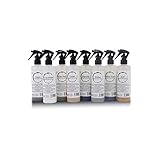
- Dries in Seconds
- UV Stable for Interior and Exterior Use
- Not to be used for Polishing
Despite being underrated, acetone dyes deliver vibrant results, which are not possible if you apply stains. They provide a consistent color and can be easily controlled for the best results.
Unlike acid stains, the pigment of the acetone dye gets soaked in the concrete slab of the floors, allowing you to accomplish a single or layered color quickly. Therefore, there is a huge difference in the color results between the two options.
Also, acetone dyes deliver tones that are uniform and more predictable than stains. It lets you have control over the boldness or paleness of the color produced, as it mainly depends on how much you dilute it. Plus, it will deliver a high gloss finish, which is best suited for interior applications.
On the other hand, acid stain color depends on the surface to which it has been applied and delivers a marbleized finish.
I found that acetone dyes are available in both solvent-based and water-based formulations, delivering finishes ranging from translucent to opaque as per requirements. However, keep in mind that acetone dyes are not UV-resistant, so don’t think about applying them outdoors.
Just like acid stains, you can purchase acetone dyes from your nearby paint store. Just remember to keep an eye on the concentration of the product.
Additional Tips For Staining Concrete Floors
By now you must have understood the differences between acid stains and acetone dyes. So, let me provide you with some additional tips, following which you can stain the floor efficiently.
- Before applying a new stain, get rid of the existing sealer
- Apply the stain on a small portion of the floor to check the color
- Always use a plastic airless paint sprayer while applying acid stain
- Consider using a painter’s tape to avoid splatters
- Let the concrete cure for at least one month before staining
- Make sure that the surface is prepared properly
Final Thoughts
I hoped you enjoyed reading my guide on acid stains vs acetone dyes. Without a doubt, there are a ton of benefits of staining.
Not only does it increase the durability of the floor, but it also enhances its visual appeal. Plus, it’s easy to maintain and cheaper than most other floor treatments.
On that note, we have come to the end of our informative guide. You can use acetone dyes as the main color coloring agent or combine them with acid stains to get more exciting results.
I would recommend you to use both, as it will turn your floor into a piece of art. Just remember that acetone dyes come in handy when you want control over the flooring patterns. However, if you want a natural marbled finish, consider going with acid stains.
So, that’s all for today. Hope to see you soon.