
I'm not sure if you have heard of this ancient, botanical wonder. It's called the Arhat and it is a rare variety of plants that has an amazing ability to purify your home or office with its natural air-purifying properties. I've written this blog post to give you a few tips on how to grow one at home!
How to Plant an Arhat Plant
First, you should buy a young Arhat plant and place it in your backyard or garden. You can find them at many gardening supply stores near where you live. The Arhat is very easy to grow a plant so don't worry if you're not an expert gardener!
Plant your Arhat plant at least 10 feet away from any neighboring buildings, houses, or walls. This is because Arhat plants grow very tall and their roots can get into your neighbor's property.
When you first plant the Arhat tree, water it until the soil is moist but not saturated. The first month will be critical for its survival so be sure to check on your Arhat every day. It is not necessary to water the plant every day as long as you make sure that it doesn't ever completely dry out.
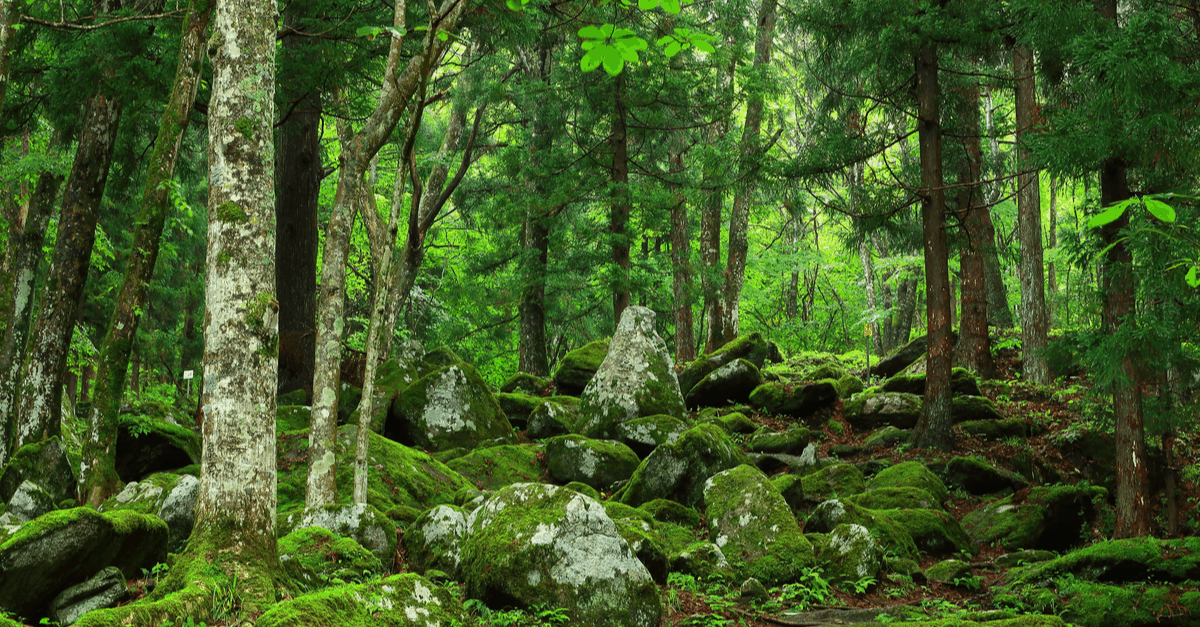
How to Grow an Arhat Tree
After a month or two, your Arhat tree should start growing leaves. The plant will continue to grow until it reaches about 10 feet in height and 4 inches around. It will take many months to reach this size so be patient!
The best way to keep the Arhat plant flourishing is to engage with it every day. This means watering it, talking to it, and walking around it. The more attention you give the Arhat plant, the better it will grow.
You should also trim back any leaves that fall off the tree so that your Arhat reflects its caretaker's hard work! This will promote a healthier environment inside of your property as well because fewer leaves from a trimmed tree mean less dust in the air.
You can trim the Arhat at any point in its life but your main goal as a caregiver is to keep it trimmed for aesthetic purposes. This will also promote air circulation throughout your home or office space and will help get rid of all that unwanted dust!
How to Harvest an Arhat Tree

Harvesting the Arhat is a simple process. You want to trim off any branches that have died or broken off of the main tree. This makes it healthier and more efficient when it comes to purifying the air inside your home!
After you harvest an Arhat branch, you can simply use its leaves as cuttings for future Arhat plants. This way, you don't have to spend money on a new Arhat plant every time you want to purify your home or office space!
## What does Arhat Taste Like
The Arhat tree tastes incredibly bitter. Its leaves are commonly used in Asian cooking due to their natural sourness and saltiness. However, it is recommended that you use the Arhat sparingly because eating too much of its bark or leaves will make your mouth extremely sensitive to any other types of bitterness!
How to Store Arhat
Arhat trees are delicate plants with very brittle branches. You can keep them alive and healthy by storing them in a cool, dry place. If you live in a cooler climate, it's recommended that you put the Arhat tree into your freezer before storing it. Most professionals recommend wrapping the leaves up tightly using transparent plastic wrap to ensure that no moisture gets inside the bag.
What is Arhat Used For
Arhat is mainly used in Asian recipes. You can find the leaves, bark, and branches of the Arhat tree at most Chinese markets and specialty stores. The bark of the tree is often used as a natural remedy for joint pains due to its high levels of calcium. The leaves are also commonly used in teas because they are naturally salty and sour.
Most people use Arhat in their cooking due to its bitterness, which many find to be a refreshing taste. You can use the leaves of the Arhat tree as a garnish on any of your favorite Asian dishes! The branches are often used as an ornamental plant and the bark is commonly used for medicinal purposes.
What are the Health Benefits of Arhat
Arhat is great for reducing blood pressure and clearing up sinus congestion. It's also commonly used to treat joint pains and sore throats, especially if you mix the bark of the Arhat tree with a little bit of hot water. The leaves are often consumed as tea or garnish due to their natural sourness and saltiness.
Arhat is a great plant to grow in your backyard garden. It's extremely healthy and has plenty of uses. If you're interested, we have some helpful information on this blog post about how to cultivate the plant at home and which plants it can help with. We hope that these tips will make gardening easier for those who are new or intimidated by the process! Have any questions? Let us know in the comments below--our team would love to hear from you! Do you already grow arhat in your garden? Let us know what other things do well with it here too-we want to share as much knowledge as possible so everyone can benefit from all of our collective experience.